What to Know Before Your Procedure
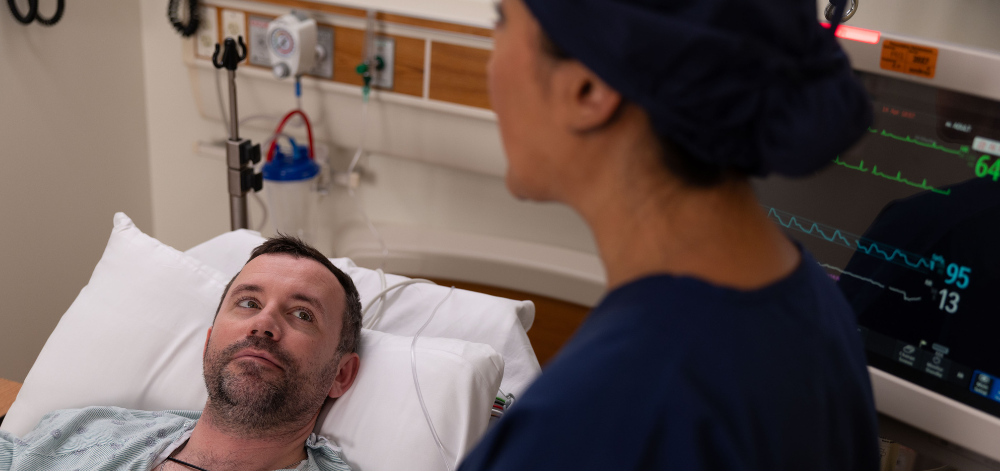

Your surgical team
You will be cared for by a team of healthcare professionals. Depending on the procedure, this may include:
- A surgeon or physician
- Registered nurseA licensed healthcare professional who practices nursing care. All RNs complete special education and training and are licensed to provide nursing care in their state.
- Surgical technicianSometimes referred to as “scrub techs,” these are professionals who set up the operating room, prepare the surgical equipment, and assist the surgeon during the procedure.
- An anesthesiaThe use of medications to temporarily block pain, sensations, and awareness during procedures and surgery. There are many different types of anesthesia that a CRNA can provide. professional, such as a Certified Registered Nurse Anesthetist (CRNA)Sometimes called a CRNA, nurse anesthesiologist, or nurse anesthetist, these are advanced practice registered nurses (APRN) who specialize in administering anesthesia for surgical, diagnostic, and therapeutic procedures. or physician anesthesiologistSometimes simply called an "anesthesiologist," these are medical doctors who specialize in administering anesthesia for surgical, diagnostic, and therapeutic procedures.. You may also hear CRNAs called nurse anesthesiologists or nurse anesthetists.
Sometimes, a surgical resident, fellow, or physician assistantA licensed healthcare professional who can treat patient problems, prescribe medications, and order tests while working with a physician. may also be part of your healthcare team.
Meeting with your anesthesia professional
There are different types of anesthesiaThe use of medications to temporarily block pain, sensations, and awareness during procedures and surgery. There are many different types of anesthesia that a CRNA can provide. , such as generalA state of unconsciousness that is caused by medications administered by an anesthesia professional. This form of anesthesia is often used for procedures that would be too painful or uncomfortable to perform while the patient is only sedated or awake., localA type of anesthesia that numbs a smaller area of the body with numbing medication. , and regionalA type of anesthesia that blocks pain in a larger area of the body by numbing a group of nerves and involves techniques such as nerve blocks, epidurals, and spinals. , and IV sedationSometimes called conscious sedation or twilight anesthesia, this is the use of medications to help you feel relaxed and calm, and sometimes fall asleep during your medical procedure.. Your anesthesia professional and surgeon will choose the safest and most appropriate option for you and your procedure. Their goal is to keep you safe, comfortable, and well-monitored at all times. For more information on the different types of anesthesia, read through our articles on the Anesthesia Essentials page.
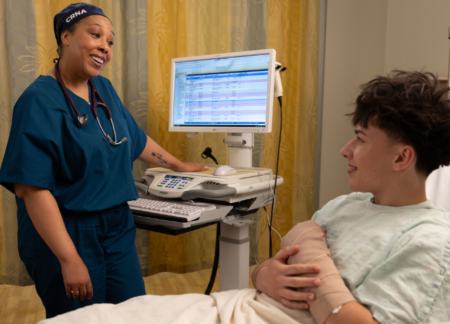
Your anesthesia professional will meet with you before the start of your surgery. During this pre-anesthesia assessment, your anesthesia professional will review your information and prepare for the procedure. You can expect them to:
- Introduce themselves and explain their role
- Ask about your health history and past surgeries
- Review medications and allergies
- Ask when you last ate or drank
- Assess your airway
- Check for any physical concerns (like back, neck, or joint issues)
Before you go into the operating room, your anesthesia professional will introduce the healthcare team and explain who will be with you throughout the procedure. You may be asked certain questions, like your name, birthdate, and site of surgery, multiple times. These repeated safety checks are intentional for your safety. Learn about Safety in the Operating Room.
Questions about anesthesia?
It’s okay to ask questions to fully understand your anesthesia care. Common questions include:
- What type of anesthesia will I receive? How will it be administered?
- When should I stop eating or drinking?
- When will I fall asleep?
- What will be monitored during surgery?
- Will I be awake or asleep during the procedure? Will I see or hear anything?
- Will I feel pain during the procedure, and how will it be treated?
- What happens when I wake up? How will I feel?
- How long will it take for my anesthesia to wear off?
- When can I eat and drink again?
- When is it appropriate to resume normal activities, like driving, exercising, and working
Learn about Your Surgery Day and What to Expect when You Wake Up.
Frequently Asked Questions
Common questions about preparing for anesthesia.
Why is it important to follow my pre-surgical instructions?
It’s essential to follow pre-surgical instructions and any recommendations from your surgeon. These help to reduce complications, like vomiting, and help you have the best outcome. Not adhering to these guidelines could delay your procedure or result in cancellation. Pre-surgical instructions may include:
- Not eating or drinking after a certain time
- Stopping or adjusting medications
- Arriving at the hospital, surgical centerHealthcare facilities that provide same-day surgeries, diagnostic procedures, and preventive care. , or doctor’s office at a specific time
- Lining up support after the procedure, especially if elderly
Preparing for surgery? Use this Pre-Surgical Checklist for Adults & Pre-Surgical Checklist for Parents to help you prepare.
What medications should I tell my anesthesia professional about?
Prior to the procedure, be honest and thorough when discussing medications with your anesthesia professional. Every medication has the potential to interact with anesthesia and affect the outcome of the surgery and healing. The more your anesthesia professional knows, the more they can tailor your care and reduce risks.
Medications to mention include:
- Prescription drugs
- Over-the-counter medications
- Vitamins and supplements
- Recreational substances (drugs), including alcohol, marijuana, and cigarettes
- Learn more about Addiction and Anesthesia, Smoking and Anesthesia, & Marijuana and Anesthesia.
Other information to share:
- If you’ve previously experienced side effects of anesthesia, such as a headache or nausea
- If you have a family history of negative reactions to anesthesia
- If you use hearing aids, glasses, or dentures
How will I be monitored while under anesthesia?
You will be continuously monitored by the anesthesia professional while under anesthesia. They will choose the most appropriate anesthetic based on your procedure, medical history, and pain management needs.
You will not be alone. An anesthesia professional will stay with you throughout the procedure and monitor your heart rate, blood pressure, oxygen levels, and breathing. Based on these factors, anesthesia will be adjusted during the procedure to keep you safe and comfortable.
Disclaimer: The information on this page is for general educational and informational purposes only and does not constitute medical advice or a recommendation for any specific anesthesia technique, drug, or treatment. Users should consult a qualified medical professional before making any decisions regarding anesthesia care. For complete terms, see our Terms of Use.







Was this helpful?