Addiction and Anesthesia


What is addiction?
Addiction, sometimes called substance use disorder (SUD)Also known as addiction, this disorder is a brain disease that results in harmful substance (drug) use. This disorder can harm someone's health, behavior, and quality of life. by healthcare professionals, is a mental health condition. It happens when a person’s use of a substance (drug) harms their health, behavior, or quality of life.
SUD can involve many types of substances. These can be legal or illegal drugs. The most common types of SUD involve alcohol, nicotineThe highly addictive drug in tobacco products. , opioidsDrugs that are typically used to control and manage pain. Examples include codeine, morphine, and fentanyl. , and marijuana.
A person with SUD keeps using a substance even when it causes harm to them or their loved ones. Over time, substances can change how the brain works. Some people begin to need the drug just to feel “normal.”
If they stop using, they may feel sick or have trouble thinking clearly. They may also have withdrawalPhysical and mental symptoms that happen when someone suddenly stops using or decreases their use of an addictive substance like alcohol, tobacco products, or opioids. Withdrawal symptoms can vary in severity and may require life-saving medical management in severe cases. symptoms which can be life-threatening. Sometimes, medical care is needed to safely manage withdrawal.
Can I get anesthesia if I use drugs?
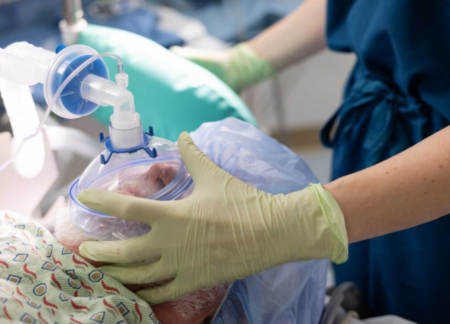
Yes, people who use drugs or with SUD can still safely receive anesthesiaThe use of medications to temporarily block pain, sensations, and awareness during procedures and surgery. There are many different types of anesthesia that a CRNA can provide. with proper planning.
Before surgery, you will have a pre-surgery screening. During this visit, your healthcare team will ask about your substance use. They may ask:
- What type of substances or drugs you use
- How much you use
- How often you use them
- The last time you used them
- If you have a history of SUD
- If you have received treatment for SUD
- If you take medications to manage SUD
Even occasional substance use can change how your body reacts to anesthesia medications. It is very important to give honest and accurate information. This helps your anesthesia professional, such as a Certified Registered Nurse Anesthetist (CRNA)Sometimes called a CRNA, nurse anesthesiologist, or nurse anesthetist, these are advanced practice registered nurses (APRN) who specialize in administering anesthesia for surgical, diagnostic, and therapeutic procedures. , create an anesthesia plan that fits your needs and keeps you as safe as possible. You may also hear CRNAs called nurse anesthesiologists or nurse anesthetists.
Talking about substance use can feel hard. Your healthcare team is there to listen without judgment. In some cases, it may help to bring a sponsor or support person with you.
The information you share is protected health information. It will not be shared with law enforcement.
Learn more about how marijuana and smoking affect anesthesia.
Frequently Asked Questions
Common questions about addiction and anesthesia.
How many people have SUD?
According to the 2024 National Survey on Drug Use and Health (NSDUH), about 48.4 million people in the United States have a substance use disorder. This survey is done by the Substance Abuse and Mental Health Services Administration (SAMHSA).
Alcohol is the most misused substance. Nearly 29 million people (about 9.7% of Americans) report having alcohol use disorder. Other commonly misused substances include tobacco products, marijuana, opioids, and prescription medications.
When should I stop using substances before surgery?
You should stop using most substances at least 48 hours before surgery. The sooner you stop using substances before surgery, the better.
Taking some drugs before surgery, such as stimulantsSubstances that speed up the central nervous system. These substances may make people feel energized, alert, and focused. Examples of simulants include cocaine, amphetamines, and nicotine. (for example, cocaine and methamphetamine), can be very dangerous, particularly to your heart and lungs. These drugs should be stopped at least 2 weeks before surgery.
If you use substances every day, talk to your healthcare team before you stop. Suddenly stopping can cause life-threatening withdrawal symptoms, and medical care may be needed. Your team can help you safely reduce or stop use.
If you arrive at surgery intoxicatedThe state of being under the influence of a drug. Examples include being “drunk” from alcohol or being “high” from marijuana. or high, your surgery may be rescheduled for your safety.
Will anesthesia affect my sobriety?
Many medications used in anesthesia assist in pain control and help you relax. Some of these medications can be habit-forming. For some people, this may increase the risk of relapse.
Your anesthesia professional may be able to avoid certain medications, such as opioids, and choose other options instead. This is another reason why honest communication is so important.
If you are taking medications, such as naltrexone, buprenorphine (Suboxone®), or methadone, to treat your SUD, be sure to tell your healthcare team. In most cases, you can continue taking these medications as prescribed before surgery.
It is also helpful to meet with your mental health provider to plan for managing your SUD before and after surgery.
Struggling with addiction? Need help?
If you or a loved one is struggling with SUD, help is available.
You can call or text 988 to reach the 988 Lifeline. This service is free and available 24/7.
You can also call the free, confidential helpline from the Substance Abuse and Mental Health Services Administration (SAMHSA) at 1-800-662-HELP (4357).
Both services are available 24 hours a day, 365 days a year, in English and Spanish.
You can also find treatment options at FindTreatment.gov.
Disclaimer: The information on this page is for general educational and informational purposes only and does not constitute medical advice or a recommendation for any specific anesthesia technique, drug, or treatment. Users should consult a qualified medical professional before making any decisions regarding anesthesia care. For complete terms, see our Terms of Use.




Was this helpful?