Interested in learning more about the different types of anesthesia? Download and print these resources from our experts in anesthesia care. The Full Anesthesia Comparison Chart provides a detailed summary of the different types of anesthesia, while the Quick Anesthesia Comparison Chart briefly reviews the similarities and differences of each anesthesia type.
Sedation
Understanding how medications can keep you relaxed, comfortable, and calm during your procedure.
Reviewed on April 29, 2026 by Avni Suresh, DNP, CRNA

Article Summary
Sedation uses medications to help patients relax, feel comfortable, and reduce anxiety during medical or dental procedures while remaining awake or in a lightly sleep-like state. This article explains the different levels of sedation, what patients can expect before, during, and after a procedure, and the safety measures anesthesia professionals use to monitor patients throughout their care. It also discusses the benefits, risks, and recovery process to help patients make informed decisions about their anesthesia options.

What is sedation?
SedationSometimes called conscious sedation or twilight anesthesia, this is the use of medications to help you feel relaxed and calm, and sometimes fall asleep during your medical procedure., sometimes called conscious sedation or twilight anesthesiaThe use of medications to temporarily block pain, sensations, and awareness during procedures and surgery. There are many different types of anesthesia that a CRNA can provide. , is the use of medications to help you feel relaxed and calm, and sometimes fall asleep during your medical procedure.
During a medical procedure, your anesthesia professional, such as a Certified Registered Nurse Anesthetist (CRNA)Sometimes called a CRNA, nurse anesthesiologist, or nurse anesthetist, these are advanced practice registered nurses (APRN) who specialize in administering anesthesia for surgical, diagnostic, and therapeutic procedures. , may use sedation to keep you comfortable and relaxed. You may also hear CRNAs called nurse anesthesiologists or nurse anesthetists. It’s important to remember that your anesthesia professional will adjust your sedation based on your needs.
Sedation is used for medical procedures and minor surgeries where it’s important that you are calm and your pain is controlled, but general anesthesiaA state of unconsciousness that is caused by medications administered by an anesthesia professional. This form of anesthesia is often used for procedures that would be too painful or uncomfortable to perform while the patient is only sedated or awake. isn’t necessary. There are different levels to how “sedated” someone can be (see below).
Levels of sedation
| Minimal Sedation | Moderate Sedation | Deep Sedation | General Anesthesia | |
|---|---|---|---|---|
| How will I feel? | Awake, relaxed, and able to respond normally | Sleepy, but still responsive to voice or gentle touch | Asleep, but can be awakened | Completely unconscious and unaware |
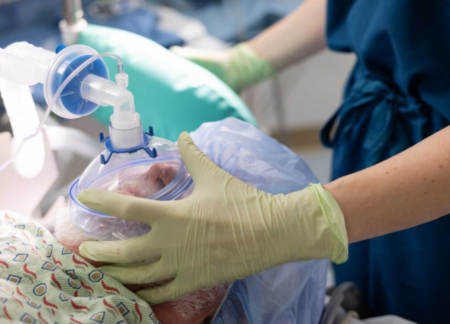
| What happens to my heart and lungs? | This does not typically affect your breathing, heart rate, or blood pressure | You are able to breathe on your own; your heart rate and blood pressure may be slower, but they are stable | Breathing may become slower; support may be needed to keep your airway open and medication may be needed for heart rate and blood pressure | A breathing tube or airway device is used to support your breathing |
| When is this used? | Commonly used to reduce anxiety before procedures, minor skin procedures, imaging, & simple dental procedures | Endoscopy, minor imaging or heart procedures, & complex dental procedures | More complex/longer procedures, certain biopsies, gynecologic and urologic procedures, & some pain procedures | Major surgeries, complex patients, & for situations where being fully unconscious is safest |
How is sedation given?
Sedation can be administered in many ways, including:
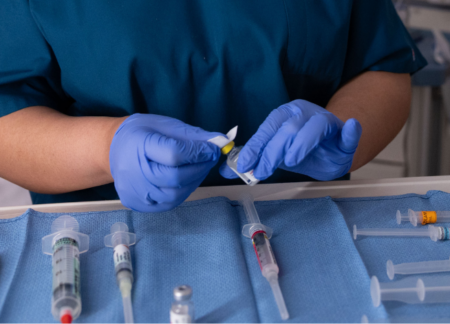
- Through an IV (intravenously)A small tube that is inserted into a vein to deliver liquid medication and fluids directly into the bloodstream. , which is most common
- Orally, especially in children (through the mouth)
- Intranasally (through the nose)
- Through injections into the muscle
- Through inhaled medications
- Rectally
For most procedures, IV sedation is used because it works quickly and can be adjusted easily. Learn about Anesthesia Medication Safety.
What are the risks of sedation?
Sedation is generally very safe, especially when tailored to your needs. Your anesthesia professional will choose the safest level of sedation to minimize risk. As sedation becomes deeper, risks can increase slightly, including:
- Slower breathing
- Lower blood pressure
- Nausea or vomiting
Deeper sedation can make it more difficult for your body to naturally protect your airway. While the risk of complications and emergencies from sedation are rare, CRNAs are experts that can effectively respond to and manage these situations.
Frequently Asked Questions
Common questions about sedation.
What is the difference between sedation and general anesthesia?
The main differences between sedation and general anesthesia are awareness and breathing:
- With sedation, you may be sleepy or lightly asleep. But you still have some level of awareness and can breathe on your own.
- With general anesthesia, you are fully unconscious and require breathing support.
Many patients assume that being “asleep” always means general anesthesia, but that’s not the case. You can fall asleep during sedation, but still be easily awakened.
For many procedures, sedation is the best option. Learn more about General Anesthesia.
How do anesthesia professionals decide my level of sedation?
Anesthesia professionals will choose the most appropriate level based on your procedure and medical history. They will monitor you throughout the procedure and adjust your sedation accordingly. Their goal is to keep you safe and comfortable.
What does sedation feel like?
Sedation is commonly described as feeling drowsy and relaxed or like drifting off to sleep. Under lighter sedation, you will typically hear voices, sounds, and be aware of movement. Under deeper levels of sedation, you will be asleep and may not remember anything after the medication is given.
How long does it take to wake up from sedation?
Most patients begin waking up within minutes after the medication is stopped. Full recovery can take minutes to a few hours, depending on the medications used and your overall health.
After sedation, it’s common to feel sleepy or drowsy for a few hours. Many patients may notice a change in their thinking and be slightly forgetful, often repeating basic questions. While these effects are temporary, you should plan to:
- Avoid driving
- Avoid making important decisions, like signing legal documents
- Rest for the remainder of the day
Read more about Anesthesia Risks, Side Effects, and Complications.
Disclaimer: The information on this page is for general educational and informational purposes only and does not constitute medical advice or a recommendation for any specific anesthesia technique, drug, or treatment. Users should consult a qualified medical professional before making any decisions regarding anesthesia care. For complete terms, see our Terms of Use.






Was this helpful?