What to Expect during Your Colonoscopy
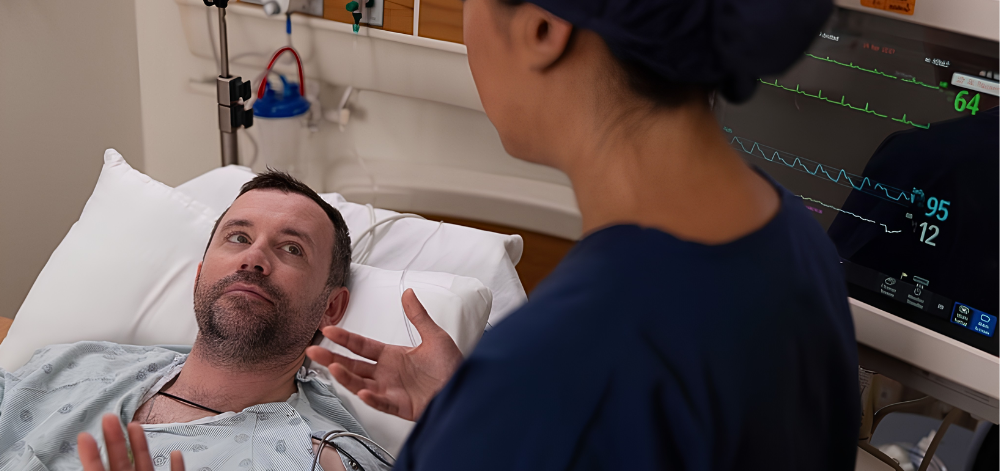

The 7 steps of your colonoscopy day
A colonoscopyA procedure where a flexible tube that has a light and a tiny camera is used to examine the inside of the rectum and colon. is an important screeningTesting people without symptoms to find diseases or risk factors before the disease occurs. and diagnosticProcedures and exams that are done to identify a disease or condition. procedure that helps find polypsAbnormal growths of tissue that occur in the body. and other concerns in the colon and rectum. If the doctor finds polyps, they can remove them or take a small sample for testing (called a biopsyA medical procedure where a small sample of tissue or cells are removed for further testing. These are used to diagnose disease. ). Routine colonoscopy screening is essential in the early detection and prevention of colorectal cancersCancer of the colon (large intestine) and/or rectum.. This article will review what you can expect right before, during, and after your colonoscopy. For more information on preparing for your colonoscopy, learn about Getting Ready for Your Colonoscopy.
Step 1: Arrive at the facility
When you arrive, you’ll check in at the front desk. The staff will ask you questions about your health and make sure you’re ready for the procedure.
Step 2: Check in with the nurseA licensed healthcare professional who practices nursing care. All RNs complete special education and training and are licensed to provide nursing care in their state.
A nurse will call you back to a preparation area. This is where they will help you get ready for your colonoscopy. The nurse will:
- Ask questions about your health and any medicines you take
- Check your temperature, heart rate, blood pressure, oxygen levels, and breathing
- Have you change into a hospital gown
- Put a band with your name on your wrist
- Place an IVA small tube that is inserted into a vein to deliver liquid medication and fluids directly into the bloodstream. and start giving IV fluidsLiquids (usually salt water with important minerals called electrolytes) that go into your vein through an IV line. These fluids help keep your body healthy and hydrated (full of water) while under medical care., if needed
An IV line is a thin, flexible tube that is used to give you medicine and fluids. It might feel like a small pinch when they put it in. The IV stays in your arm until you are ready to go home and helps the healthcare team give you medicine quickly if you need it. At most facilities, your support person can be with you in the preparation area. Know that depending on the facility, this may not always be the case.
Don’t be shy about asking questions if you have them. The nurse is there to help you feel comfortable and ready for your colonoscopy.
Step 3: Meet with the anesthesiaThe use of medications to temporarily block pain, sensations, and awareness during procedures and surgery. There are many different types of anesthesia that a CRNA can provide. professional
Your anesthesia professional, such as a Certified Registered Nurse Anesthetist (CRNA)Sometimes called a CRNA, nurse anesthesiologist, or nurse anesthetist, these are advanced practice registered nurses (APRN) who specialize in administering anesthesia for surgical, diagnostic, and therapeutic procedures. , will meet with you before you go to the procedure room. This person is specially trained to keep you safe during the procedure. You may also hear CRNAs called nurse anesthesiologists or nurse anesthetists.
Your anesthesia professional will:
- Introduce themselves and verify your name and that you are having a colonoscopy
- Perform a quick heart and lung exam
- Explain what sedationSometimes called conscious sedation or twilight anesthesia, this is the use of medications to help you feel relaxed and calm, and sometimes fall asleep during your medical procedure. is and how it works
- Answer any questions you have
- Tell you what to expect when the medicine starts working
- Ask about any allergies or past experiences with anesthesia
Sedation involves giving medicine that helps you stay calm and comfortable during your colonoscopy. Depending on the facility, you may be asked to sign a consent form for anesthesia at this time.
Step 4: Meet with the doctor
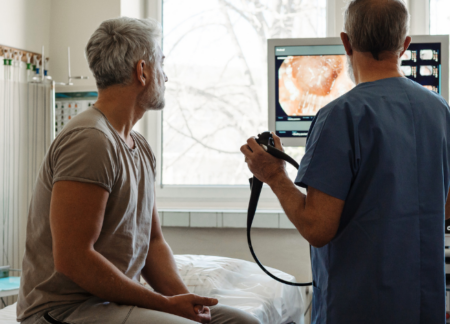
Before your colonoscopy, you will meet with your gastroenterologistA medical doctor who specializes in the prevention, diagnosis, and treatment of conditions and diseases related to the digestive system. . They’ll explain the procedure and answer your questions. They’ll make sure you understand what will happen. This is your chance to:
- Ask any last-minute questions
- Tell them about any concerns you have
- Confirm what will happen if polyps or other concerns are found during the procedure
If you haven’t already done so, you will sign your consent forms before you are taken to the procedure room and before the anesthesia professional gives you any medication.
Step 5: Enter the procedure room and start anesthesia
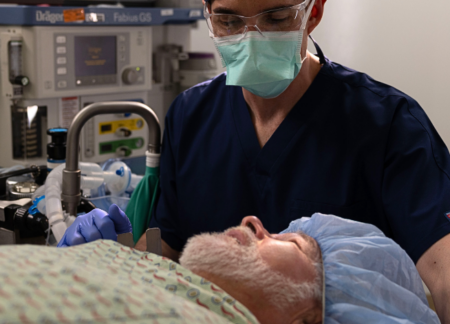
You’ll walk or ride on a stretcher to the procedure room. You may be asked to verify your name, date of birth, and the procedure you’re having before anesthesia begins. Once you’re positioned on your left side on the table, the anesthesia professional will start to give you sedation medication. Most patients become very relaxed and sleepy during the procedure. Many patients feel and remember nothing from the procedure. Your anesthesia professional will keep you comfortable and free from pain throughout this process. Learn more about Sedation and Anesthesia Medication Safety.
Step 6: The colonoscopy takes place
While you’re sleeping, the doctor puts the colonoscope (a thin camera tube) into your rectum and colon. The doctor looks at the inside of your colon very carefully. If the doctor sees polyps, they can remove them right away. If the doctor needs to test something, they’ll take a tiny sample (biopsy). The whole procedure takes 20-30 minutes on average.
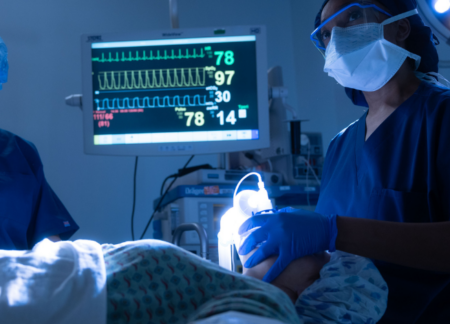
During the colonoscopy, your anesthesia professional will continuously check your heart rate, blood pressure, oxygen levels, breathing, and level of sedation. Your anesthesia professional is an expert in adjusting your sedation medication based on your needs.
Step 7: Wake up and recovery
When the procedure is done, the sedation medication wears off slowly. You’ll wake up in the recovery roomThis is where you will recover from anesthesia immediately after your surgery. . A nurse will stay with you and watch you carefully. You might feel a little sleepy or drowsy for a while, and that’s normal. You’ll stay in recovery for 30-45 minutes depending on how you’re feeling. Sometimes, you may need to stay in recovery longer if you are very drowsy or are experiencing nausea and vomiting. Before you leave, the doctor will talk to you about what they found. Learn more about What to Expect after Your Colonoscopy.
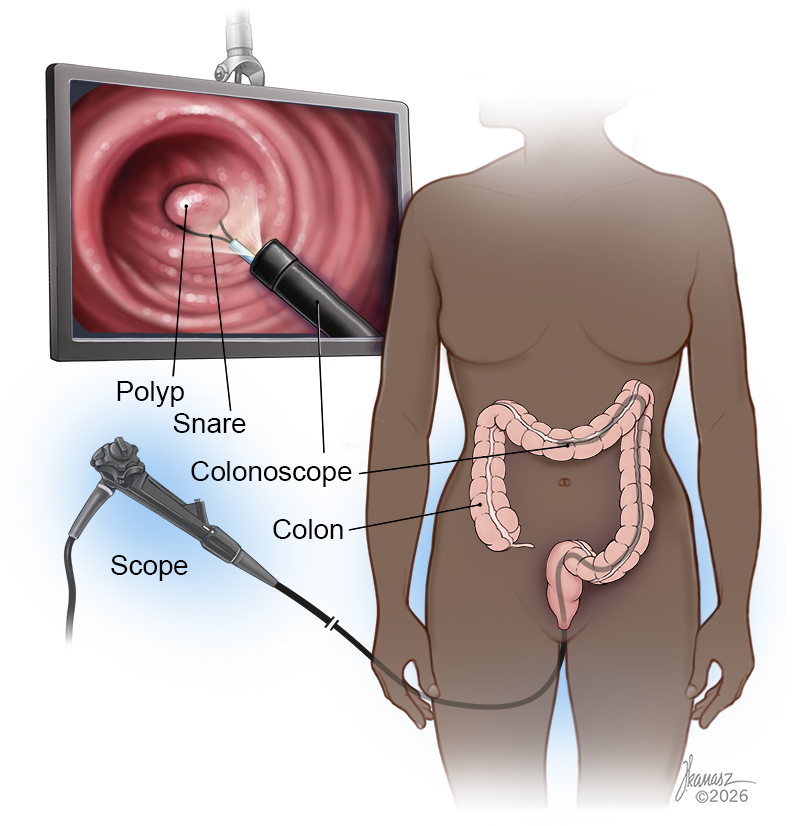
This diagram illustrates the process of a colonoscopy and the identification and removal of polyps.
Frequently Asked Questions
Common questions about colonoscopies.
What type of anesthesia will I get during a colonoscopy?
Most people get sedation during a colonoscopy, which is a type of anesthesia that makes you very sleepy and relaxed. You’ll still be able to breathe on your own. The anesthesia professional watches you the whole time to keep you safe.
Do colonoscopies hurt?
No. Because of the sedation, you won’t feel discomfort during your colonoscopy. You may feel a little pressure, but it shouldn’t be painful. Most people don’t remember anything about the procedure. Note that some people may find aspects of colonoscopy preparation and recovery to be uncomfortable.
How long does a colonoscopy take?
The colonoscopy itself usually takes 20-30 minutes. If your doctor finds polyps or needs to collect a biopsy, the procedure may take longer. But you should plan to spend 2-3 hours at the facility. This includes checking in, preparation, the procedure, and recovery time.
Disclaimer: The information on this page is for general educational and informational purposes only and does not constitute medical advice or a recommendation for any specific anesthesia technique, drug, or treatment. Users should consult a qualified medical professional before making any decisions regarding anesthesia care. For complete terms, see our Terms of Use.




Was this helpful?