Eating and Drinking before Anesthesia


Why can't I eat or drink before anesthesia?
FastingAbstaining from eating and drinking. This includes gum, mints, and hard candies. before anesthesiaThe use of medications to temporarily block pain, sensations, and awareness during procedures and surgery. There are many different types of anesthesia that a CRNA can provide. is essential in preventing a complication called aspirationThe inhalation of foreign materials, including food, water, stomach contents, and saliva, into the airway and lungs instead of being swallowed down the esophagus. Aspiration can lead to pneumonia, lung damage, and can even be a medical emergency. . Aspiration occurs when food, water, stomach contents, and saliva are inhaled into the airway and lungs. Most people have experienced the sensation of “swallowing wrong” and coughing or gagging on fluid, food, or saliva. While this is an unpleasant sensation, your body knows how to react when you are awake.
During sedationSometimes called conscious sedation or twilight anesthesia, this is the use of medications to help you feel relaxed and calm, and sometimes fall asleep during your medical procedure. and general anesthesiaA state of unconsciousness that is caused by medications administered by an anesthesia professional. This form of anesthesia is often used for procedures that would be too painful or uncomfortable to perform while the patient is only sedated or awake., you may be unconscious, have a breathing tubeA flexible, plastic tube that is placed into the windpipe (trachea) to help keep the airway open and to support breathing. Breathing tubes are inserted during a process called intubation. , and not be able to move your muscles. This makes it easier for food, water, stomach contents, and saliva to enter into your airway and lungs. Aspiration can lead to pneumoniaAn infection of one or both lungs. This infection can lead to inflammation and difficulty breathing. , lung damage, and can even be a medical emergency.
The best way to decrease the risk of aspiration is to have an empty stomach. Depending on the surgery and the type of anesthesia required, you may be instructed to fast anywhere from 2 to 8 hours before your procedure. Make sure you follow the specific instructions given to you by your healthcare team.
Are there any food or drinks that I should avoid before anesthesia?
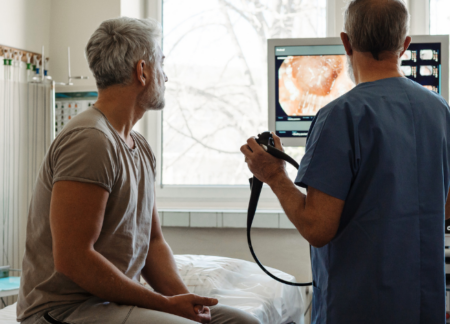
Yes, in the days leading up to your surgery, you should avoid alcohol as instructed by your healthcare team. Alcohol can affect anesthesia, hydration, and recovery. For some people with refluxSometimes simply called “reflux” or “heartburn,” this is a condition that happens when acidic stomach contents enter the esophagus. This can lead to a sometimes painful burning sensation in the throat and chest. or a sensitivity to anesthesia, they may be advised to avoid spicy or greasy food the day before their surgery. For some procedures, such as colonoscopiesA procedure where a flexible tube that has a light and a tiny camera is used to examine the inside of the rectum and colon., you may be instructed to avoid foods or liquids with red or purple food dye. This is because the dyes can sometimes be confused for blood. Follow the instructions provided for your specific procedure.
Some procedures and surgeries that involve the digestive system might have more specific instructions about what to eat and drink in the days leading up to your surgery. Learn about Getting Ready for Your Colonoscopy.
Most instructions will tell you to have your last normal meal the evening before your surgery. Some instructions may allow for clear liquidsFluids that are see-through. These include water, apple juice, broth, gelatin, clear soda, coffee (no cream), tea, sports drinks, and popsicles. the morning of your surgery. Make sure you follow the specific instructions given to you by your healthcare team. If you were unable to follow the instructions for whatever reason, it is essential that you notify your anesthesia professional, such as a Certified Registered Nurse Anesthetist (CRNA)Sometimes called a CRNA, nurse anesthesiologist, or nurse anesthetist, these are advanced practice registered nurses (APRN) who specialize in administering anesthesia for surgical, diagnostic, and therapeutic procedures. , for your own safety. You may also hear CRNAs called nurse anesthesiologists or nurse anesthetists.
Will my surgery or procedure be canceled if I eat or drink anything?
Yes, if you eat or drink anything your surgery or procedure may be canceled or delayed. Eating or drinking before anesthesia can increase the risk of aspiration, and your healthcare team may delay or cancel your surgery or procedure to protect your safety.
This depends on the type of anesthesia required, your anesthesia professional’s preferences, facility policy, and what you ate or drank in the hours leading up to your surgery or procedure.
To avoid this risk, follow the pre-procedureBefore surgery instructions given to you by your healthcare team.
Can I brush my teeth or take medications before anesthesia?
Yes, most pre-procedure instructions will allow you to brush your teeth the morning before you receive anesthesia. Avoid swallowing water, toothpaste, and mouthwash.
If you take medications or supplements, talk with your healthcare team about what you should and should not take the morning of your surgery. Your medical provider may advise you to take some essential medications with a small sip of water. Most instructions will have you skip supplements and vitamins before you receive anesthesia. Make sure you follow the specific instructions given to you by your healthcare team.
Disclaimer: The information on this page is for general educational and informational purposes only and does not constitute medical advice or a recommendation for any specific anesthesia technique, drug, or treatment. Users should consult a qualified medical professional before making any decisions regarding anesthesia care. For complete terms, see our Terms of Use.




Was this helpful?