How to Prepare Your Child for Surgery


Pre-surgical instructions
When preparing your child for surgery, it’s essential that you follow all your healthcare provider’s instructions.
To learn more about what to do before the day of surgery, review this Pre-Surgical Checklist for Parents and What to Know Before Your Procedure.
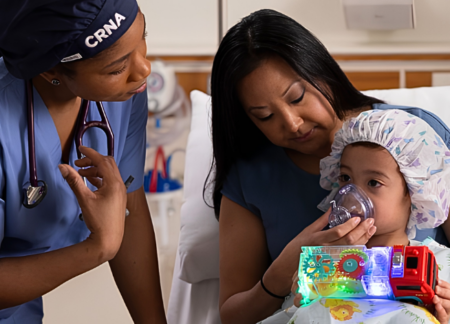
It’s natural to feel overwhelmed when your child is scheduled for surgery, especially if it’s your first time going through this process. AnesthesiaThe use of medications to temporarily block pain, sensations, and awareness during procedures and surgery. There are many different types of anesthesia that a CRNA can provide. professionals, such as Certified Registered Nurse Anesthetists (CRNAs)Sometimes called a CRNA, nurse anesthesiologist, or nurse anesthetist, these are advanced practice registered nurses (APRN) who specialize in administering anesthesia for surgical, diagnostic, and therapeutic procedures. , play an important role in guiding families. You may also hear CRNAs called nurse anesthesiologists or nurse anesthetists. They help parents understand what to expect and feel more prepared and confident ahead of their child’s procedure.
Before you go to the hospital or surgical center for your child’s surgery, it’s essential that you follow your healthcare provider’s instructions regarding fastingAbstaining from eating and drinking. This includes gum, mints, and hard candies. , medications, and activity restrictions. Learn more about Eating and Drinking before Anesthesia.
Arriving at the hospital or surgical center
- Check-in and assessment: NursesA licensed healthcare professional who practices nursing care. All RNs complete special education and training and are licensed to provide nursing care in their state. will confirm your child’s information, take their vital signs (heart rate, temperature, blood pressure, and oxygen levels), review their medical history, and perform a focused assessment.
- Medications: Be prepared to share what medications your child takes regularly and whether they had any medication the morning of surgery.
- Anesthesia evaluation: A CRNA or other anesthesia professional will examine your child, obtain a medical/surgical history, perform a focused physical exam, and confirm when they last ate or drank. This is critical for safety to decrease the child’s risk of vomiting.
- When someone vomits while under anesthesia, this can cause stomach contents to move into the lungs. This is called aspirationThe inhalation of foreign materials, including food, water, stomach contents, and saliva, into the airway and lungs instead of being swallowed down the esophagus. Aspiration can lead to pneumonia, lung damage, and can even be a medical emergency. . Aspiration is very dangerous and can cause long-term/permanent damage to the lungs.
- Recent illness: It’s very important to tell the anesthesia professional if your child has been sick with any upper respiratory symptoms, such as cough, runny nose, fever, cold/flu and COVID, within the last 4-6 weeks.
- Physical exam: The anesthesia professional will ask about any loose teeth, listen to your child’s heart and lungs, and assess their airway. If your child has asthma or has any respiratory symptoms, the anesthesia professional may order a breathing treatment to help their lungs before surgery.
- Past experiences: You’ll be asked how your child has done with anesthesia before and about any family history of rare reactions like malignant hyperthermia.A rare reaction to some anesthesia medications that causes intense muscle contractions, fever, high heart rate, and other symptoms. This reaction can be life-threatening, but it is treatable.
- Anesthesia plan and consent: The anesthesia professional will explain the plan, introduce other members of the healthcare team, and review consent forms with you.
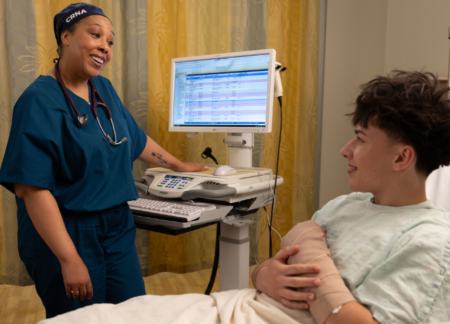
- Easing anxiety: Younger children may receive a dose of medication (by mouth or nose) to help them relax and get a head start on treating pain before the surgery. Older children/adolescents will typically have an intravenous line (IV)A small tube that is inserted into a vein to deliver liquid medication and fluids directly into the bloodstream. placed before surgery.
- Additional steps: Some patients may need routine testing (such as a pregnancy test for adolescents who menstruate). A child life specialistA healthcare professional who helps children and their families manage the stress and anxiety of medical care, surgery, and hospitalization. may also be available to help reduce anxiety.
Right before surgery
A member of the surgical team will meet with you to discuss the surgery, verify consent, and mark the surgical site if needed.
- Final preparations: The nurse will double-check consent forms and perform a final safety check. If the child/adolescent already has an IV, the anesthesia professional may give a medication through it to help them relax before going back to the operating room.
- Going to surgery: Your child will be taken to the operating room. Parents typically wait in a designated area during the procedure. Learn more about Keeping Children Safe during Anesthesia.
Caring for yourself
Remember that while this is a stressful day for your child, it’s also important that you care for yourself as well. Dizziness, lightheadedness, and fainting have occurred in parents who have not prepared physically and emotionally for their child’s day of surgery.
To better understand what your child will experience, read this article What to Expect during Your Child’s Surgery.
Disclaimer: The information on this page is for general educational and informational purposes only and does not constitute medical advice or a recommendation for any specific anesthesia technique, drug, or treatment. Users should consult a qualified medical professional before making any decisions regarding anesthesia care. For complete terms, see our Terms of Use.






Was this helpful?