What to Expect during Your Child’s Surgery

What happens during my child's surgery?
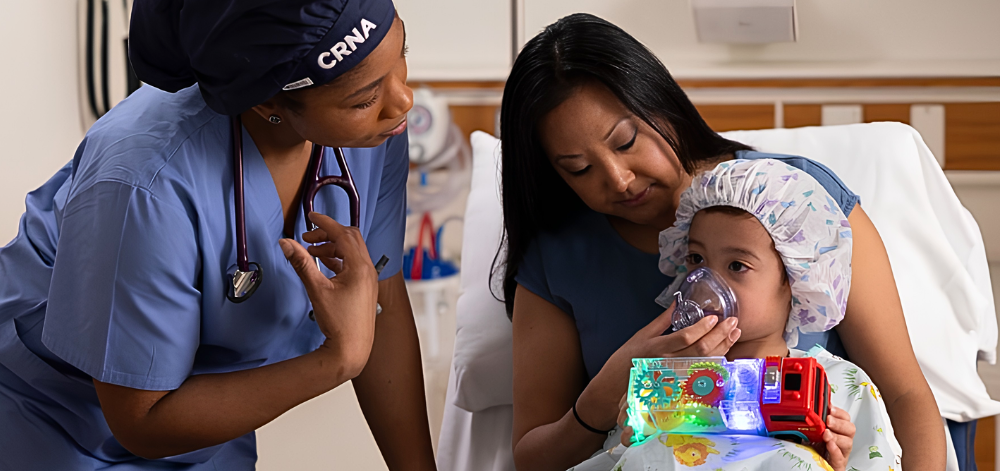
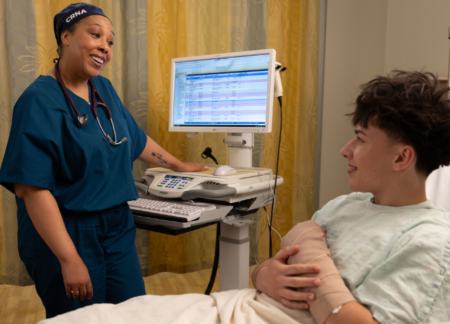
During your child’s surgery or medical procedure, they will be under the care of an anesthesiaThe use of medications to temporarily block pain, sensations, and awareness during procedures and surgery. There are many different types of anesthesia that a CRNA can provide. professional, like a Certified Registered Nurse Anesthetist (CRNA)Sometimes called a CRNA, nurse anesthesiologist, or nurse anesthetist, these are advanced practice registered nurses (APRN) who specialize in administering anesthesia for surgical, diagnostic, and therapeutic procedures. . You may also hear CRNAs called nurse anesthesiologists or nurse anesthetists.
Parents and guardians can expect to not be allowed to accompany their child into the operating room (OR) for safety reasons. It’s perfectly normal to feel overwhelmed when your child heads into the OR for their procedure. Understanding the experience from the moment your child enters the OR until they wake up after surgery can help you feel more prepared for this experience.
Here’s what will happen when your child enters the OR.
Entering the OR
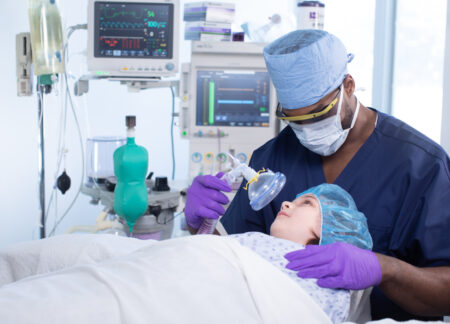
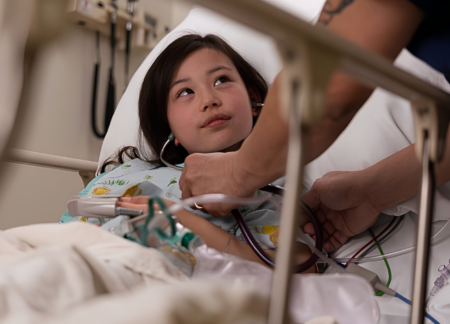
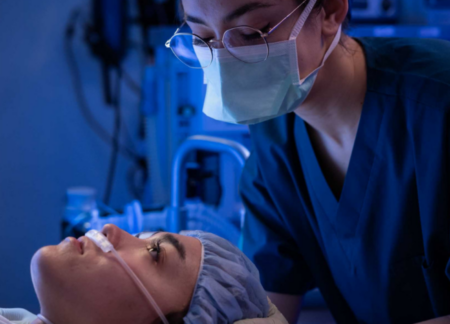
When your child enters the OR, members of the healthcare team will help your child move safely onto the operating table. They may be comforted with warm blankets, music, a tablet, or play with a child life specialistA healthcare professional who helps children and their families manage the stress and anxiety of medical care, surgery, and hospitalization. . The anesthesia professional will place monitors on them to assess their heart rate, oxygen levels, and blood pressure throughout the surgery and the recovery period.
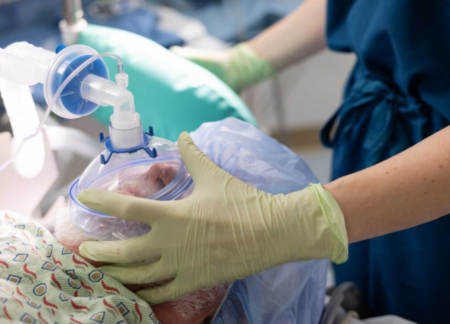
An oxygen mask will be placed over your child’s nose and mouth. If your child did not get an IVA small tube that is inserted into a vein to deliver liquid medication and fluids directly into the bloodstream. before heading to the OR, an IV will be placed once they fall asleep after breathing in anesthesia gasMedications that you breathe in during anesthesia. These gases make you unconscious (asleep) and unaware. They also make you forget what happens during surgery and can prevent you from moving while you are asleep. through a mask. This IV will be used to administer anesthesia and other medications.
The IV will remain in place throughout the procedure and into the recovery period. The IV is used to provide anesthetic medications, fluidsLiquids (usually salt water with important minerals called electrolytes) that go into your vein through an IV line. These fluids help keep your body healthy and hydrated (full of water) while under medical care., antibiotics, pain medications, and medications to prevent nausea/vomiting. Once the IV has been placed and your child is under anesthesia, the anesthesia professional may place a breathing tubeA flexible, plastic tube that is placed into the windpipe (trachea) to help keep the airway open and to support breathing. Breathing tubes are inserted during a process called intubation. or another deviceDevices that are used to keep the airway open. Some of these devices are invasive, such as breathing tubes, and some are non-invasive, such as masks. Some non-invasive devices can be inserted into the mouth or nose to keep the airway open. to help them breathe during surgery (ask your anesthesia professional on the day of surgery what type of breathing device they will use with your child). This device will remain in place until they are breathing on their own.
The anesthesia professional will continue to monitor your child and give medications to help them wake up safely and comfortably.
During the surgery
During your child’s surgery, the healthcare team will make sure your child remains warm and comfortable throughout the procedure. The anesthesia professional will stay with your child throughout the surgery, monitoring anesthesia levels, and making sure that your child remains safe and comfortable.
Once the procedure is finished, the anesthesia professional will stop the anesthesia medications and begin the process of waking up your child. Once the breathing device has been removed and your child is stable, they will be moved to a recovery area, often referred to as a post-anesthesia care unit (PACU)This is where you will recover from anesthesia immediately after your surgery. . In the PACU, they will be monitored closely by a nurseA licensed healthcare professional who practices nursing care. All RNs complete special education and training and are licensed to provide nursing care in their state. . The operating room nursing staff will provide you with updates as they are able. Learn more about Your Child’s Recovery after Surgery.
Disclaimer: The information on this page is for general educational and informational purposes only and does not constitute medical advice or a recommendation for any specific anesthesia technique, drug, or treatment. Users should consult a qualified medical professional before making any decisions regarding anesthesia care. For complete terms, see our Terms of Use.


Was this helpful?