Your Child’s Recovery after Anesthesia
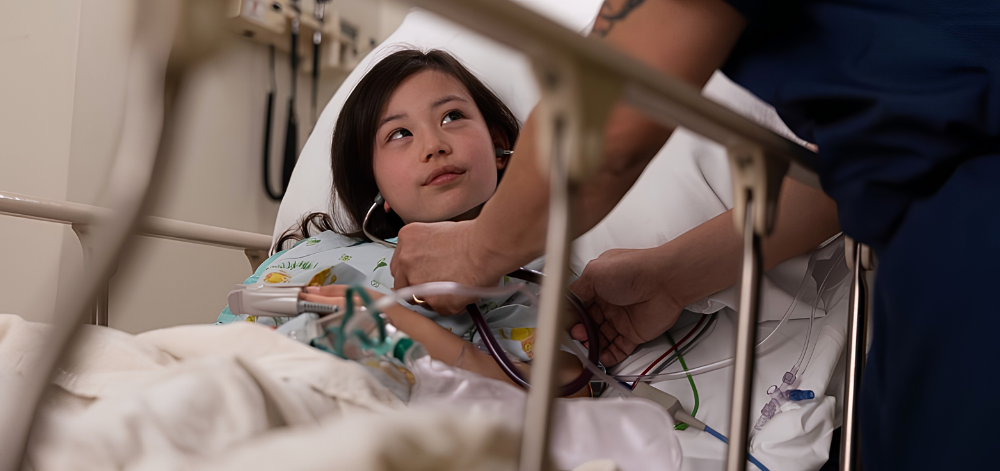

Waking up after anesthesia
- Your child will be moved to a recovery area, often referred to as a post-anesthesia care unit (PACU)This is where you will recover from anesthesia immediately after your surgery. , where their heart rate, oxygen levels, breathing, and blood pressure will continue to be monitored and recorded by the recovery nurse.A licensed healthcare professional who practices nursing care. All RNs complete special education and training and are licensed to provide nursing care in their state.
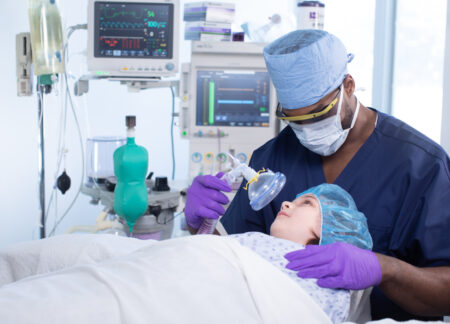
- Your child will have an oxygen mask placed over their nose and mouth.
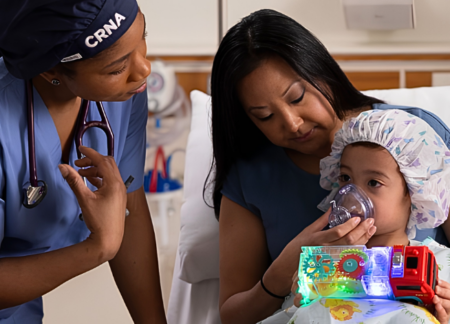
- Your child’s intravenous line (IV)A small tube that is inserted into a vein to deliver liquid medication and fluids directly into the bloodstream. will remain in place while in the recovery room. If they are in pain, the recovery nurse may administer medication through the IV. Both the nurse and the anesthesiaThe use of medications to temporarily block pain, sensations, and awareness during procedures and surgery. There are many different types of anesthesia that a CRNA can provide. professional, such as a Certified Registered Nurse Anesthetist (CRNA)Sometimes called a CRNA, nurse anesthesiologist, or nurse anesthetist, these are advanced practice registered nurses (APRN) who specialize in administering anesthesia for surgical, diagnostic, and therapeutic procedures. , will work together to make sure their pain is addressed before your child leaves the recovery room. You may also hear CRNAs called nurse anesthesiologists or nurse anesthetists.
- Some children wake up immediately in the recovery room, while others may take additional time to fully wake up.
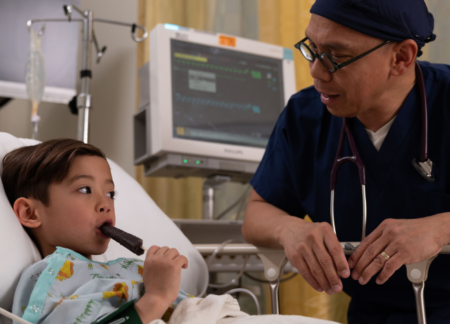
- Once they are awake, the recovery nurse may offer them something to drink.
Going home after anesthesia
- The recovery nurse will assess the child’s pain and their recovery from anesthesia. Before your child is discharged from the recovery room, your anesthesia professional will assess your child to make sure it is safe for them to go home.
- Some children may require additional recovery time. The recovery nurse will communicate with the anesthesia professional and surgical team to determine where your child will recover best. Any changes in their care will be promptly communicated to you.
- Before going home, you and your child will be given aftercare instructions, your child will change into comfortable clothing, and the nurse will remove your child’s IV. Removing the IV is typically not painful.
- Children undergoing major surgeries, premature infants, or children with complex medical histories may require a hospital stay after their procedure.
The doctors, nurses, and anesthesia professionals will determine if your child is stable and safe enough to go home. Before leaving the hospital, you will receive aftercare instructions and follow-up information. Read more about Caring for a Loved One at Home after Surgery.
Frequently Asked Questions
Common questions about your child waking up from anesthesia.
How will my child feel when they wake up from anesthesia?
Your child may feel sleepy, groggy, and confused when they wake up from anesthesia. Many children wake up irritated, upset, or acting different than normal after anesthesia. Some children may also cry, kick, and not make eye contact as they are waking up. These behaviors are common, usually temporary, and improve within a few minutes.
What happens if my child has nausea and vomiting after anesthesia?
Nausea and vomiting might occur after receiving anesthesia. Medications to treat nausea may be given through the IV. It’s also important to slowly introduce food when your child is home, starting with small amounts of bland food (like toast, bananas, and apple sauce), to decrease the chance of nausea and vomiting. Learn more about Nausea and Vomiting after anesthesia.
When can I see my child after anesthesia?
You will be reunited with your child once the recovery nurse feels that they are continuing to recover from their procedure safely. Some facilities may allow you to be with your child once they arrive in the recovery area. You can ask your child’s healthcare team about when you will be able to see your child after anesthesia.
Disclaimer: The information on this page is for general educational and informational purposes only and does not constitute medical advice or a recommendation for any specific anesthesia technique, drug, or treatment. Users should consult a qualified medical professional before making any decisions regarding anesthesia care. For complete terms, see our Terms of Use.





Was this helpful?