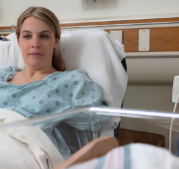


Waking Up and Recovery







Frequently Asked Questions
Common questions about what to expect after anesthesia.
How will I feel after anesthesia?
How you feel after anesthesiaThe use of medications to temporarily block pain, sensations, and awareness during procedures and surgery. There are many different types of anesthesia that a CRNA can provide. depends on the procedure, your medical history, and the type of anesthesia that you received. Many people report feeling tired, groggy, disoriented, and dizzy. Learn more about What to Expect when You Wake Up.
How long does anesthesia stay in your body?
The amount of time it takes for anesthesia to leave your body depends on the type of anesthesia used:
- General AnesthesiaA state of unconsciousness that is caused by medications administered by an anesthesia professional. This form of anesthesia is often used for procedures that would be too painful or uncomfortable to perform while the patient is only sedated or awake.: 24-48 hours
- IV SedationSometimes called conscious sedation or twilight anesthesia, this is the use of medications to help you feel relaxed and calm, and sometimes fall asleep during your medical procedure.: 4-6 hours
- Regional AnesthesiaA type of anesthesia that blocks pain in a larger area of the body by numbing a group of nerves and involves techniques such as nerve blocks, epidurals, and spinals. : 12-24 hours
- Local AnesthesiaA type of anesthesia that numbs a smaller area of the body with numbing medication. : 2-8 hours
The amount of time it takes for your body to process and remove these medications depends on the type and amount of medications used and your medical history. Factors such as age and pre-existing medical conditions can slow down the removal process.
When can I eat or drink after anesthesia?
After anesthesia, you can typically eat or drink once you are alert and free from nausea and vomiting. It is recommended to start slow with clear liquids such as water and juice, and slowly progress to light meals. Some surgeries and procedures may require you to wait longer before eating or drinking. Learn more about Eating & Drinking after anesthesia.
How can I manage my pain at home after childbirth?
Pain after childbirth can be managed many different ways:
- Cold and heat therapy
- Sitz baths, cold compresses, and proper positioning to help with periniumThe area of skin and tissue between the vaginal opening and the anus. pain
- Hug a pillow close to your belly when you sneeze or cough if you had a c-sectionSometimes called a C-Section, this is a surgery where incisions (cuts) are made first into the abdomen, and then the layers of the uterus. From there, the baby and the umbilical cord and placenta are removed.
- Over-the-counter and prescribed pain medication
If you have any concerns about your pain after childbirth, follow up with your healthcare team. Learn more about Managing Pain after Childbirth.
When should I contact my healthcare team during my recovery?
You should contact your healthcare team if you develop a fever over 101°F, have increasing uncontrollable pain, and notice signs of infection at the surgical site such as increasing redness, warmth, and foul-smelling discharge. Other concerning symptoms include:
- Uncontrollable bleeding
- Sudden dizziness, confusion, and/or the inability to wake up
- Numbness, tingling, and abnormally cold/pale fingers/toes
- Vomiting that does not improve
- Not being able to urinate for 6-8 hours after your surgery
Learn more about When to Contact Your Healthcare Team.