What to Expect after Your Colonoscopy
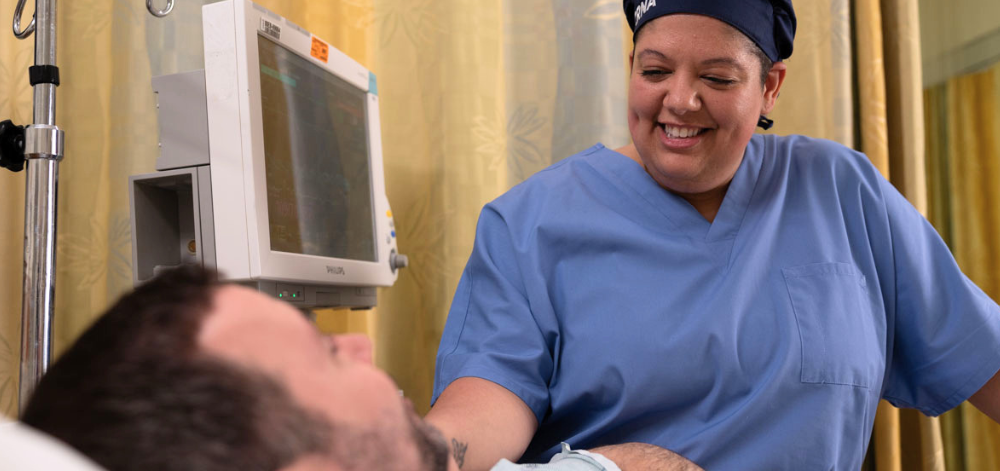

What to expect when you wake up
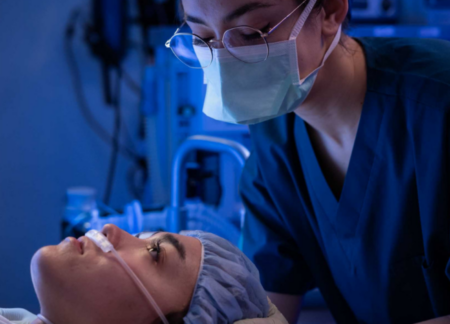
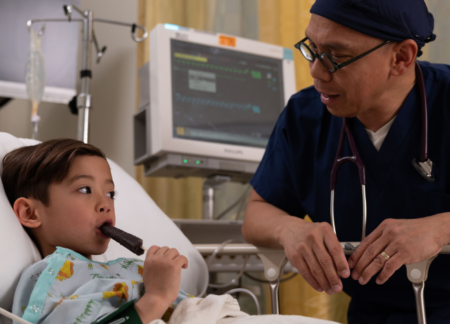
After your colonoscopyA procedure where a flexible tube that has a light and a tiny camera is used to examine the inside of the rectum and colon. is finished, you’ll wake up in a special recovery area called the Post-Anesthesia Care Unit (PACU)This is where you will recover from anesthesia immediately after your surgery. . This is a quiet, comfortable place where nursesA licensed healthcare professional who practices nursing care. All RNs complete special education and training and are licensed to provide nursing care in their state. watch over patients as they wake up from anesthesiaThe use of medications to temporarily block pain, sensations, and awareness during procedures and surgery. There are many different types of anesthesia that a CRNA can provide. .
When you first wake up, you might feel:
- Sleepy and groggy
- Confused or foggy
- A bit dizzy
- Tired
These feelings are normal and will go away within a few hours. Your body is just waking up from the sedationSometimes called conscious sedation or twilight anesthesia, this is the use of medications to help you feel relaxed and calm, and sometimes fall asleep during your medical procedure. that helped you stay calm during the procedure. You will be required to have a responsible adult available to help you get home. You cannot go home alone or take care of yourself right after the procedure.
Post-colonoscopy instructions
Your healthcare team will provide you with aftercare instructions before you leave the facility. These instructions will generally include information on eating and drinking after your colonoscopy, returning to normal activities, resuming medications, and when to call your healthcare team. Note that different facilities may have slight differences in their instructions. Make sure you follow the instructions given to you by your healthcare team.
Eating and drinking
You’ll need to be careful about what you eat and drink after your colonoscopy. Your stomach needs time to settle. Your healthcare team and anesthesia professional, such as a Certified Registered Nurse Anesthetist (CRNA)Sometimes called a CRNA, nurse anesthesiologist, or nurse anesthetist, these are advanced practice registered nurses (APRN) who specialize in administering anesthesia for surgical, diagnostic, and therapeutic procedures. , will give you specific instructions about what to eat and drink after your procedure. You may also hear CRNAs called nurse anesthesiologists or nurse anesthetists. These instructions will generally include:
Right after the procedure:
- Start with clear liquidsFluids that are see-through. These include water, apple juice, broth, gelatin, clear soda, coffee (no cream), tea, sports drinks, and popsicles. only. These are drinks you can see through, like water, apple juice, or broth.
- Drink slowly and in small amounts.
- Be sure to follow all post-procedure instructions.
After a few hours:
- You can eat soft, easy-to-digest foods including crackers, toast, yogurt, applesauce, mashed potatoes, or soup.
- Avoid spicy, greasy, or heavy foods for the rest of the day.
Tips to prevent an upset stomach:
- Eat small amounts of food.
- Chew your food well.
- Drink plenty of water throughout the day.
- Avoid sugary drinks and caffeine for a few hours.
- Learn about Nausea & Vomiting after anesthesia.
Returning to normal activities
You’ll need to take it easy for the rest of the day. Your body just went through a medical procedure, and it needs time to recover.
What you should do:
- Rest at home for the day.
- Take naps if you feel tired.
- Watch TV, read, or do quiet activities.
When you can go back to work and exercise:
- Most people feel ready to go back to work or school the next day.
- Wait until the next day to play sports or do hard exercise.
- Avoid running, jumping, or playing contact sports for 24 hours.
If possible, have a responsible adult at home to help you recover. This may include having them help with preparing meals, assisting with household tasks, and helping you with your recovery instructions.
Normal bowel movements should return within a few days. You may experience loose or delayed stools after a colonoscopy. If you have any concerns, notify your healthcare team.
Medications
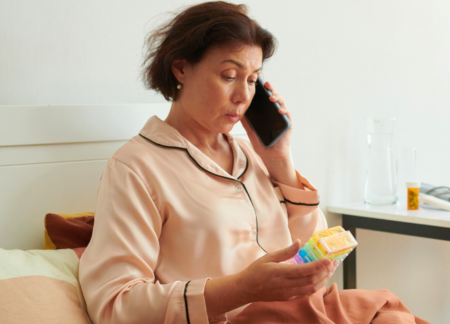
Your healthcare team will walk through resuming and taking medications for pain. Here are guidelines on what you can take and what to avoid:
- If you are experiencing pain, you can talk with your healthcare team and anesthesia professional about pain control options. For most people, acetaminophen (Tylenol®) is effective at managing post-colonoscopy pain.
- Avoid NSAID (non-steroidal anti-inflammatoryThe body’s immune response to infections, toxins, and injury. Inflammation may cause pain, redness, swelling, and heat in the affected area. drugs) medications like ibuprofen (Advil®) and naproxen (Aleve®) since these can lead to stomach upset and bleeding.
- Before you leave the facility, you will review your current list of medications with your healthcare team. They will let you know when you can resume taking medication.
- Do NOT take aspirin or blood-thinning medicines unless your doctor tells you it’s okay.
- Learn more about Pain Medications.
When to call your healthcare team
Most people recover just fine after a colonoscopy. However, call your healthcare team right away if you have any of these warning signs:
- Severe abdominalSometimes called the “belly” or “core,” this is the part of the body below the chest and above the pelvis. pain (pain that is very bad and doesn’t improve with rest)
- Vomiting or inability to keep food/liquids down
- Fever (temperature above 100.4°F or 38°C)
- Unusual bleeding (blood in your stool or dark, tarry stools)
- Difficulty breathing (trouble catching your breath)
- Chest pain
- Dizziness that doesn’t go away
- Swelling in your belly
If you feel that something is wrong, do not hesitate to call your healthcare team, 911, or go straight to the emergency room.
Remember, you’ve just had an important medical procedure. Your body needs rest and care to recover properly. Follow these instructions, listen to your body, and don’t hesitate to ask questions or call your healthcare team if you’re worried about anything.
Frequently Asked Questions
Common questions about what to expect after your colonoscopy.
How long does recovery take?
Most people feel back to normal within 24 hours. Many patients feel fine and ready to do regular activities by the next day. However, you should rest for the rest of the day of your procedure.
How long does sedation last?
The sedation usually wears off within 30 to 60 minutes. However, you might still feel sleepy or groggy for a few more hours. This is why it’s important to rest and have a responsible adult drive you home and stay with you.
What are warning symptoms I should watch for?
Most people do great after a colonoscopy, but watch for these serious warning signs:
- Severe abdominal pain (pain that is very bad and doesn’t improve with rest)
- Vomiting or inability to keep food/liquids down
- Fever (temperature above 100.4°F or 38°C)
- Unusual bleeding (blood in your stool or dark, tarry stools)
- Difficulty breathing (trouble catching your breath)
- Chest pain
- Dizziness that doesn’t go away
- Swelling in your belly
If you notice any of these, call your healthcare team right away. Don’t wait or try to see if it gets better on its own.
Disclaimer: The information on this page is for general educational and informational purposes only and does not constitute medical advice or a recommendation for any specific anesthesia technique, drug, or treatment. Users should consult a qualified medical professional before making any decisions regarding anesthesia care. For complete terms, see our Terms of Use.

Was this helpful?