Getting Ready for Your Colonoscopy

What is a colonoscopy?
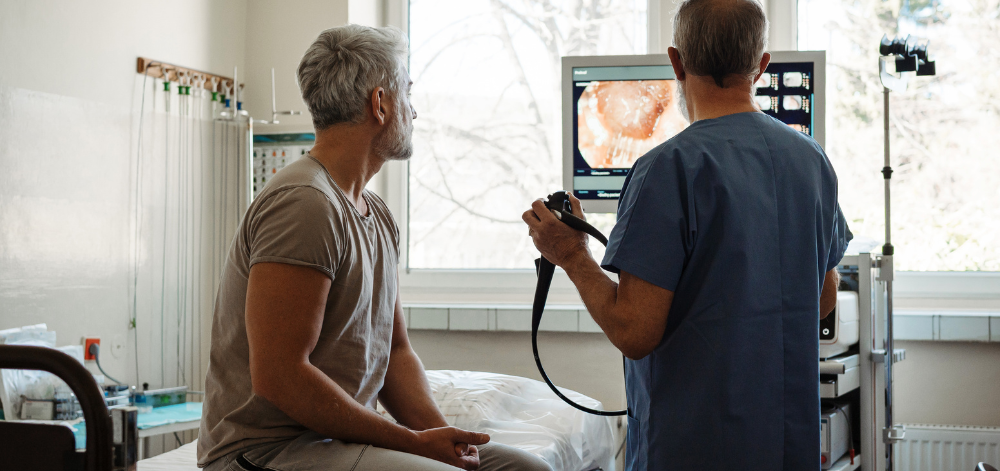
A colonoscopyA procedure where a flexible tube that has a light and a tiny camera is used to examine the inside of the rectum and colon. is an endoscopicProcedures where a flexible tube that has a light and a tiny camera are used to visualize structures inside of the body. These are used for screening, diagnostic, and treatment purposes. These include colonoscopies (colon and rectum), upper endoscopy (EGD; esophagus, stomach, and first part of small intestine), and bronchoscopy (lungs). procedure used to screenTesting people without symptoms to find diseases or risk factors before the disease occurs. for and diagnoseProcedures and exams that are done to identify a disease or condition. conditions affecting the large intestine (colon) and rectum. During the procedure, your doctor, typically a gastroenterologistA medical doctor who specializes in the prevention, diagnosis, and treatment of conditions and diseases related to the digestive system. , will use a flexible tube with a light and a tiny camera to examine the health of your rectum and colon.
Preparing for a colonoscopy usually involves:
- Eating a low-fiber dietSometimes called a low-residue diet, this is a diet that restricts foods that are rich in fiber (whole grains, raw vegetables/fruits with skin, beans/legumes, seeds, & nuts). for several days
- Switching to clear liquidsFluids that are see-through. These include water, apple juice, broth, gelatin, clear soda, coffee (no cream), tea, sports drinks, and popsicles.
- Taking a prescribed bowel preparation
- Following fastingAbstaining from eating and drinking. This includes gum, mints, and hard candies. instructions
- Arranging a ride home
Why are routine colonoscopies important?
Routine colonoscopies are an effective tool for preventing colorectal cancer. According to the American Cancer Society, colorectal cancerCancer of the colon (large intestine) and/or rectum. is the second most common cause of cancer deaths in the United States (2025). Additionally, colorectal cases are rising in people under the age of 50.
Colorectal cancer almost always starts as precancerous polypsAbnormal growths of tissue that occur in the body. in the colon or rectum. These polyps can often be found during routine screening. While several screening tests are available, the main benefit of a colonoscopy is that precancerous polyps, and even some early-stage cancers, can often be removed during the same procedure. For more information on colorectal screening, read this article on Screening for Colorectal Cancer from the Centers for Disease Control and Prevention (2025).
The U.S. Preventative Services Task Force recommends colorectal cancer screening for adults aged 45-75. This screening is recommended every 5-10 years depending on someone’s colorectal cancer risk. Colonoscopies can take place in hospitals, ambulatory surgical centers (ASCs)Healthcare facilities that provide same-day surgeries, diagnostic procedures, and preventive care. , endoscopy centers, and doctor’s offices. Learn about the different locations where colonoscopies can happen.
What are the benefits and risks of getting a colonoscopy?
There are many benefits to colonoscopies, including:
- Early cancer identification and prevention
- Polyp identification and removal
- Can be used to diagnose a variety of conditions
- Little to no discomfort during the procedure
While the procedure itself is quick and easy, preparation and recovery do take additional time. SedationSometimes called conscious sedation or twilight anesthesia, this is the use of medications to help you feel relaxed and calm, and sometimes fall asleep during your medical procedure. is typically used to reduce discomfort during the procedure. Learn more about sedation.
Like any medical procedure, colonoscopies do have some risks. These include:
- Bleeding
- Infection
- Side effects from the bowel preparation process (see below)
- Anesthesia risks and side effects
- A tear in the wall of the colon (rare)
How do I prepare for my colonoscopy?
Preparation for a colonoscopy generally includes dietary changes, bowel preparation, and planning ahead for the day of your procedure.
Dietary changes
When you schedule your colonoscopy, your healthcare team will provide you with instructions. They will tell you how to modify your diet in the days leading up to your colonoscopy. Generally, these instructions will advise you to follow a low-fiber diet for 3-5 days before your procedure. This includes avoiding:
- Nuts
- Seeds
- Popcorn
- Beans/Legumes
- Whole grains
- Raw vegetables
- Fruits with skin/seeds
The day before your colonoscopy, you will likely be required to follow a clear liquid diet
Bowel preparation
Bowel preparation is an essential part of a colonoscopy. This usually involves taking laxativeA group of medications that are used to promote bowel movements and soften fecal matter or stool. medications to “clean out” and empty the colon of fecal matter. Most colonoscopy instructions will have you start the preparation plan the day before your procedure.
- During the bowel preparation, expect frequent bathroom trips and plan to drink plenty of fluids.
- There are many different types of bowel preparation plans and medications. Your provider will recommend and prescribe the best plan for you.
Plan ahead
Before your procedure, plan to have someone drive you to and from your colonoscopy. The medication used during sedation can make you feel tired and sleepy, so you must have a responsible adult available to drive you home. Different facilities have different policies regarding who can drive you home, so make sure you check with your facility prior to your colonoscopy.
What questions should I ask when scheduling my colonoscopy?
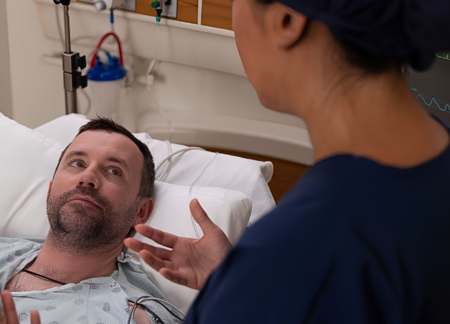
You may be able to meet with your doctor and ask questions before your procedure. You may also be able to ask questions when scheduling your colonoscopy or when you receive your pre-procedure instructions. Here are some good questions to ask before your colonoscopy:
- Which medications should I continue or discontinue?
- What dietary changes will I need to make in the days leading up to my colonoscopy?
- When should I start and finish my bowel preparation?
- When should I stop eating and drinking?
- What are the rules for the person driving me home?
- When will I fall asleep?
- Will I be awake or asleep during the procedure? Will I see or hear anything?
- Will I feel discomfort during the procedure, and how will it be treated?
- What type of anesthesia will I receive? How will it be administered?
- What will be monitored during my colonoscopy?
- What happens when I wake up? How will I feel?
- How long will it take for my anesthesia to wear off?
- When can I eat and drink again?
- When is it appropriate to resume normal activities, like driving, exercising, and working?
- When should I restart my medications?
If you have any questions about anesthesiaThe use of medications to temporarily block pain, sensations, and awareness during procedures and surgery. There are many different types of anesthesia that a CRNA can provide. , you will have the chance to speak with your anesthesia professional, such as a Certified Registered Nurse Anesthetist (CRNA)Sometimes called a CRNA, nurse anesthesiologist, or nurse anesthetist, these are advanced practice registered nurses (APRN) who specialize in administering anesthesia for surgical, diagnostic, and therapeutic procedures. , before your colonoscopy. You may also hear CRNAs called nurse anesthesiologists or nurse anesthetists.
What should I do the day before my colonoscopy?
On the day before your colonoscopy, you will likely start your bowel preparation. This usually includes following a clear liquid diet and taking a prescribed bowel preparation. During this time, stay close to a bathroom, as you will have frequent bowel movements. Some people may feel tired, hungry, or irritable during the preparation. You may also experience side effects such as abdominalSometimes called the “belly” or “core,” this is the part of the body below the chest and above the pelvis. cramping, nausea or vomiting, bloating, frequent diarrhea, or soreness around the anus.
It is essential to follow the pre-procedure instructions provided by your healthcare team. Proper bowel preparation allows the doctor performing your colonoscopy to clearly see the lining of your rectum and colon. If stool remains in the colon, important findings such as polyps or other abnormalities may be missed. In some cases, inadequate bowel preparation may require the procedure to be canceled and rescheduled.
What should I do the morning of my colonoscopy?
Depending on the time of your colonoscopy, you may be instructed to have nothing to eat or drink after midnight. You may only be allowed to drink water or complete the bowel preparation. Do not eat, drink, or use any substances (drugs) before your colonoscopy. To be safe, follow your provider’s specific instructions regarding eating and drinking and taking medications the morning of your colonoscopy.
Dress in comfortable clothing and remove any jewelry. Leave valuables at home. Bring your insurance information and a form of identification to your appointment.
Sedation is commonly used to keep patients relaxed and comfortable during the procedure. It is essential that you have an empty stomach. This minimizes complications like aspirationThe inhalation of foreign materials, including food, water, stomach contents, and saliva, into the airway and lungs instead of being swallowed down the esophagus. Aspiration can lead to pneumonia, lung damage, and can even be a medical emergency. during the procedure. Due to the sedation, you will be required to have someone drive you home after your procedure. Learn about What to Expect during Your Colonoscopy.
Careful preparation helps your doctor examine the colon clearly and identify possible problems. Different providers, settings, and practices may have different preparation instructions. Always follow the instructions from your healthcare team. Contact the office before your appointment if you have questions about medications, eating and drinking, side effects, or transportation.
Disclaimer: The information on this page is for general educational and informational purposes only and does not constitute medical advice or a recommendation for any specific anesthesia technique, drug, or treatment. Users should consult a qualified medical professional before making any decisions regarding anesthesia care. For complete terms, see our Terms of Use.

Was this helpful?