Safety Outside of the Hospital


What is an ambulatory surgical center (ASC)?
Many procedures can be performed at an ambulatory surgical center (ASC)Healthcare facilities that provide same-day surgeries, diagnostic procedures, and preventive care. , also known as an outpatient Healthcare services that are provided without a formal admission process. These include a wide range of services such as medical screenings, minor surgeries, and certain types of treatment. This care can take place in hospitals, clinics, surgery centers, and doctor's offices. surgical center. These are healthcare facilities that provide high-quality care for same-day surgeries, diagnostic procedures, and preventive careRoutine health services that help prevent illness, disease, and other health problems. These services typically include routine visits, immunizations, education, and health screenings. These services are covered 100% by your insurance provider. .
ASCs offer several advantages. You can go home the same day, the centers are often closer to home, and the environment can feel more comfortable than a hospital.
If you are concerned about having surgery outside of a hospital setting, rest assured. Here are the ways ASCs make patient safety a top priority.
ASC safety
ASCs follow strict safety rules and use trained medical staff to help protect your safety and privacy.
For example, recovery roomsThis is where you will recover from anesthesia immediately after your surgery. are usually located near the nurses’ station, so staff can always monitor their patients. Each recovery area is large enough for emergency teams to respond quickly if needed.
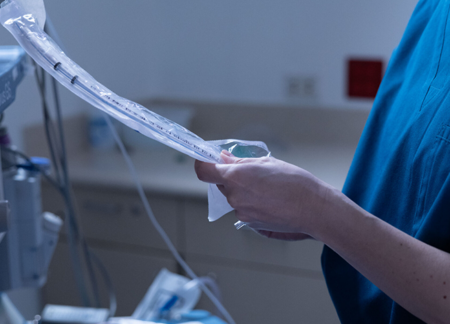
Every operating room is required to be fully equipped with:
- Oxygen and suction systems to remove bodily fluids that may cause complications
- Emergency power backup
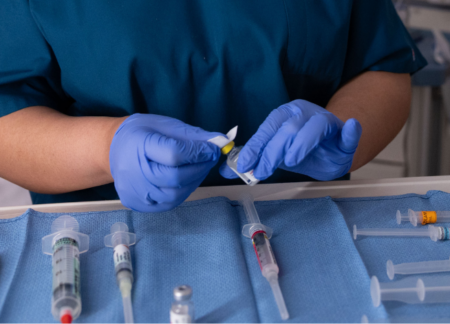
- Emergency medications and equipment
- Surgical lighting with backup lights
Just like hospitals, ASCs maintain a clean and sterileFree from microorganisms such as bacteria, viruses, parasites, and fungi environment by following strict cleaning and infection control practices.
Key safety practices include:
- Thoroughly cleaning operating rooms
- Controlling the temperature and humidity to reduce the risk of infection and ensure equipment operates correctly
- Using specialized areas to clean, disinfect, dry, and sterilize all surgical instruments
Sterilization includes high heat and pressure or special disinfectants to remove bacteria and other microorganisms (such as viruses, parasites, and fungi). After sterilization, the instruments are stored in a safe, clean area until they are needed.
This process helps prevent infections during surgery.
Frequently Asked Questions
Common questions about safety outside of the hospital.
Who provides care at ASCs?
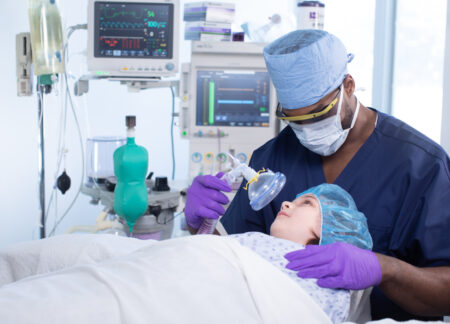
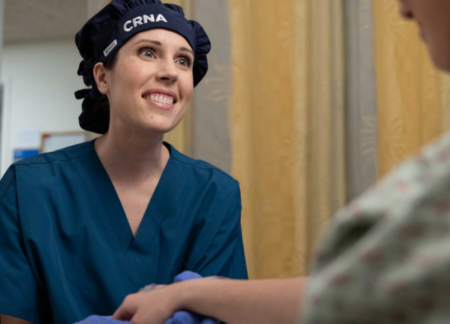
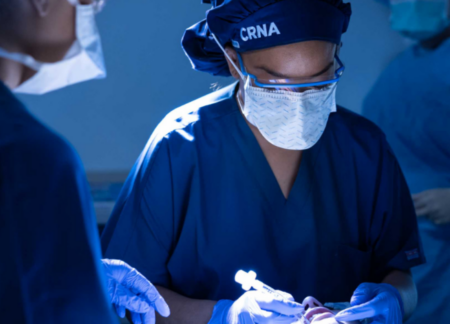
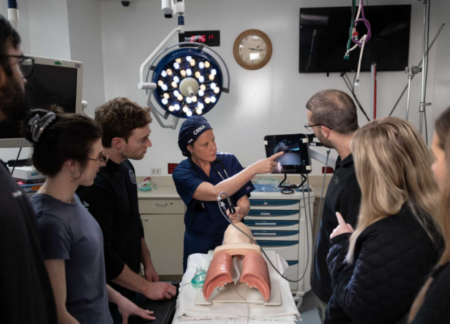
ASCs have experienced healthcare professionals who work together to keep patients safe during procedures. Your care team may include:
- Surgeons
- AnesthesiaThe use of medications to temporarily block pain, sensations, and awareness during procedures and surgery. There are many different types of anesthesia that a CRNA can provide. professionals (like Certified Registered Nurse Anesthetists [CRNAs]Sometimes called a CRNA, nurse anesthesiologist, or nurse anesthetist, these are advanced practice registered nurses (APRN) who specialize in administering anesthesia for surgical, diagnostic, and therapeutic procedures. and physician anesthesiologistsSometimes simply called an "anesthesiologist," these are medical doctors who specialize in administering anesthesia for surgical, diagnostic, and therapeutic procedures.). You may also hear CRNAs called nurse anesthesiologists or nurse anesthetists.
- Registered nursesA licensed healthcare professional who practices nursing care. All RNs complete special education and training and are licensed to provide nursing care in their state.
- Surgical technologistsSometimes referred to as “scrub techs,” these are professionals who set up the operating room, prepare the surgical equipment, and assist the surgeon during the procedure.
- Sterile processing technicians
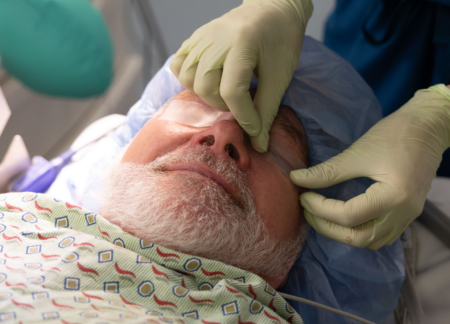
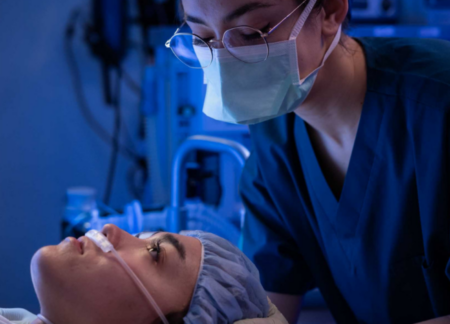
If your surgery requires anesthesia, a dedicated anesthesia professional will focus on your comfort and safety. Nurses work closely with the surgeon and the anesthesia professional to monitor your health during the procedure.
These teams are trained to quickly respond to emergencies, and many ASCs require advanced emergency response training.
How are ASCs accredited?
Most ASCs are accreditedThe process by which an outside organization has inspected the facility to make sure it meets strict safety standards. . Accreditations mean that an outside organization has inspected the facility to make sure it meets strict safety standards. Common accrediting organizations include:
- The Joint Commission
- DNV
- Accreditation Commission for Health Care (ACHC)
- Accreditation Association for Ambulatory Health Care (AAAHC)
- American Association for Accreditation of Ambulatory Surgery Facilities
Being accredited shows that the facility meets national safety standards. Many insurance companies require accreditation to cover services.
To find out if your ASC is accredited, you can contact your state health department or check the accrediting organizations’ databases. Many facilities also list their accreditation on their website.
Who is a good candidate for outpatient surgery?
Not every surgery, or every patient, is a good fit for outpatient surgery. Before scheduling your surgery, the facility will review:
- Your overall health
- Medical history
- Type and length of surgery
- Your support at home after surgery
If a hospital is the safer choice, your doctor will recommend that instead.
If you are scheduled for outpatient surgery and have questions, talk with your surgeon or anesthesia professional. They can explain why this setting is right for you and what will happen on the day of your procedure.
Your comfort, safety, and recovery are always the main goals.
For additional information on ASCs and accreditation, read these articles: What is an ASC? & Accredited Facilities.
Disclaimer: The information on this page is for general educational and informational purposes only and does not constitute medical advice or a recommendation for any specific anesthesia technique, drug, or treatment. Users should consult a qualified medical professional before making any decisions regarding anesthesia care. For complete terms, see our Terms of Use.
Was this helpful?