Safety in the Operating Room
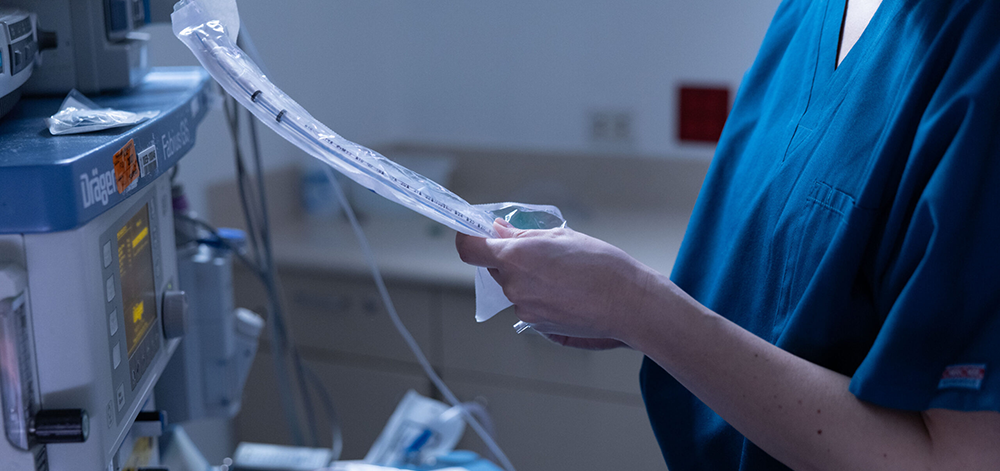

How your healthcare team prepares for your surgery
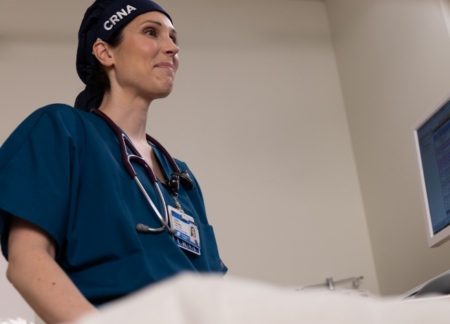
Your healthcare team begins preparing for your surgery well before you enter the operating room (OR). When you arrive in the preoperativeBefore surgery area, you’ll meet some of the members of your healthcare team. This includes your anesthesiaThe use of medications to temporarily block pain, sensations, and awareness during procedures and surgery. There are many different types of anesthesia that a CRNA can provide. professional, such as a Certified Registered Nurse Anesthetist (CRNA)Sometimes called a CRNA, nurse anesthesiologist, or nurse anesthetist, these are advanced practice registered nurses (APRN) who specialize in administering anesthesia for surgical, diagnostic, and therapeutic procedures. or a physician anesthesiologistSometimes simply called an "anesthesiologist," these are medical doctors who specialize in administering anesthesia for surgical, diagnostic, and therapeutic procedures.. You may also hear CRNAs called nurse anesthesiologists or nurse anesthetists.
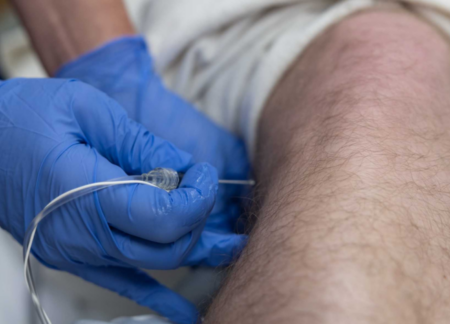
Each member of your healthcare team will introduce themselves, and you’ll have the opportunity to ask questions. If a family member or a support person is present, they can be included in these conversations. Monitors will be placed to track your heart rate, blood pressure, oxygen level, and breathing. You may also receive medication to help you relax. Read about what you can expect during Your Surgery Day.
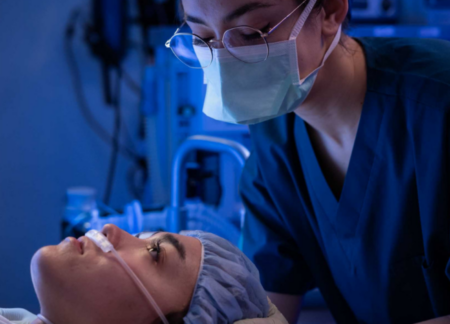
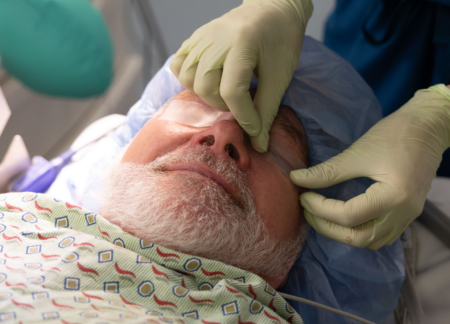
As you’re taken into the OR, you’ll meet the rest of your healthcare team, including the surgical staff and OR nursesA licensed healthcare professional who practices nursing care. All RNs complete special education and training and are licensed to provide nursing care in their state. . If you received medication before entering the OR, you may not remember everything that happens right before and after your surgery. Once you are safely moved into the OR and under the care of your anesthesia professional, you may fall asleep.
How are patients kept safe during surgery?
Patients are kept safe during surgery through safety checks including identity verification, team “time outs,” infection prevention measures, continuous monitoring, and open communication among surgeons, nurses, anesthesia professionals, and other members of the healthcare team.
Patient identification
One of the most important safety practices is verifying your identity. This happens multiple times throughout your care: when you arrive, when medications are given, and again in the OR. You’ll wear a wristband with your information that will be checked repeatedly to ensure everything matches. Allergy bands are also used when needed. These repeated checks are intentional and help prevent errors.
“Time outs:” A team safety pause
Before your surgery begins, the entire team participates in a “time out.” This is a deliberate pause where everyone confirms:
- The correct patient
- The correct procedure
- The correct surgical site
- All necessary equipment is ready
- Any patient-related information that would affect care, such as pregnancy tests or hearing aids
Everyone involved in the procedure must agree before moving forward. Additional “time outs” may happen if the surgery includes multiple parts or if anything changes.
Infection prevention in the operating room
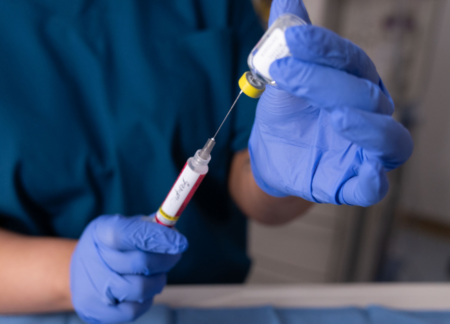
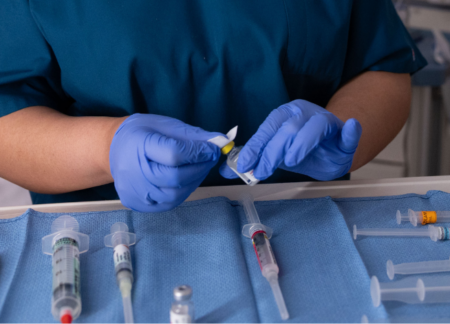
Preventing infection is a major priority in the OR. This starts with proper hand hygiene and extends to strict sterileFree from microorganisms such as bacteria, viruses, parasites, and fungi techniques. Members of the surgical team wear sterile gowns, gloves, masks, and hats. Your skin will be cleaned with a special antiseptic solution to reduce bacteria, and sterile drapes will be placed to create a clean surgical field. Even small details, like using single-use syringes and carefully handling medications, are part of a larger system designed to protect you.
How your team focuses on patient safety
Every person in the OR plays an important role in keeping you safe. While each team member has a specific responsibility, patient safety is a shared commitment.
- The circulating nurse oversees the overall function of the room.
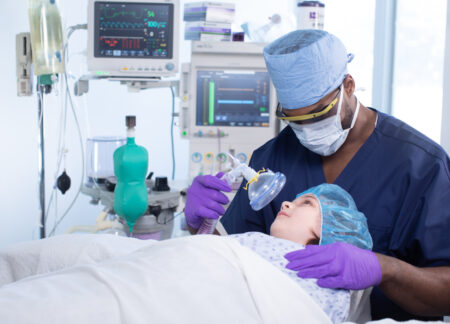
- The anesthesia professional focuses entirely on your safety and well-being.
- The surgeon and surgical team concentrate on the procedure itself.
If anything seems concerning, anyone in the room can speak up and pause the process. This culture of safety and accountability ensures that concerns are addressed immediately, and you are kept as safe as possible.
Frequently Asked Questions
Common questions about safety in the operating room.
What happens after my surgery?
Once your surgery or medical procedure is complete, your healthcare team communicates important information to recoveryThis is where you will recover from anesthesia immediately after your surgery. staff during handoffs. This ensures continuity of care and that any special considerations are addressed. If anything unexpected occurs during surgery, your team will discuss it with you and your family or support person and explain the next steps. You’ll also receive clear instructions on whom to contact if you have concerns after you go home.
What if I'm worried about my surgery?
It’s normal to worry about surgery. Know that surgery is generally very safe. The best approach is to talk openly with your healthcare team about what worries you most, whether it’s the procedure itself, recovery time, or getting back to your normal routine.
Your surgeon is the best person to answer specific questions about the procedure, while your anesthesia professional can address concerns about anesthesia. Read about Anesthesia Fears and Myths.
Is anesthesia safe?
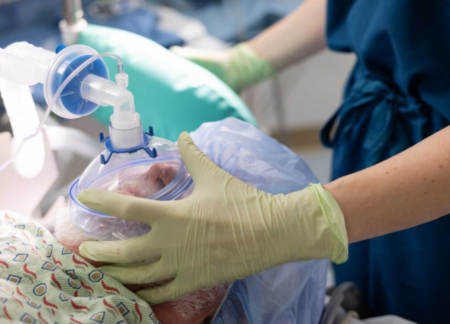
Yes, anesthesia is safe when given by a trained anesthesia professional, like a CRNA. Your anesthesia professional’s role is to monitor and adjust your anesthesia to keep you safe and comfortable at all times. Equipment will be used to track your vital signs. There are also strict safety protocols, checklists, and processes your healthcare team follows to ensure everything runs smoothly. Care is tailored to you based on your medical history, comfort, and individual needs.
What if something goes wrong?
While complications are uncommon, your team is trained to respond quickly and effectively. If something unexpected happens, a plan will be put in place to address it. After surgery, if you notice symptoms like unusual pain, numbness, or swelling, it’s important to contact your healthcare team. Prompt communication helps ensure the best outcome. If you have more questions about anesthesia care, read about Anesthesia Questions and Myths.
Disclaimer: The information on this page is for general educational and informational purposes only and does not constitute medical advice or a recommendation for any specific anesthesia technique, drug, or treatment. Users should consult a qualified medical professional before making any decisions regarding anesthesia care. For complete terms, see our Terms of Use.
Was this helpful?