Anesthesia Equipment
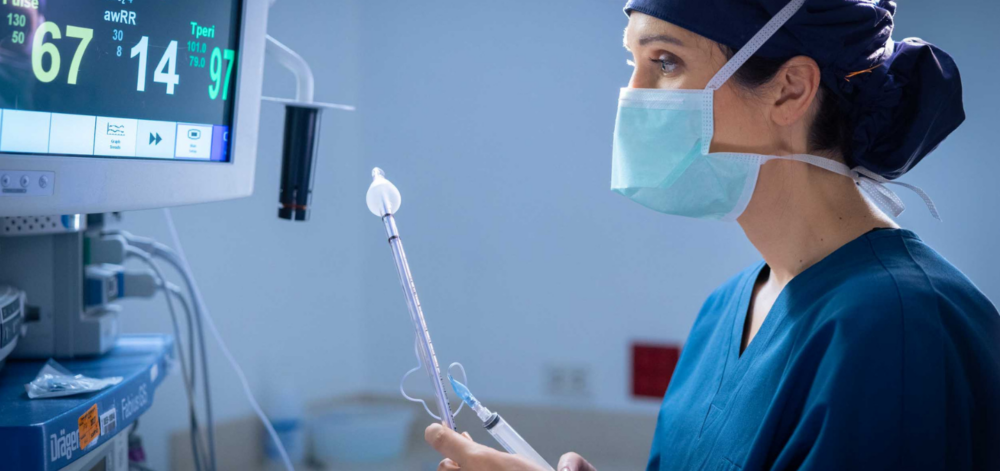

What equipment is used during anesthesia?
The equipment used depends on your procedure, your health, and the type of anesthesiaThe use of medications to temporarily block pain, sensations, and awareness during procedures and surgery. There are many different types of anesthesia that a CRNA can provide. you need. More complicated procedures may require more equipment to keep you safe and comfortable.
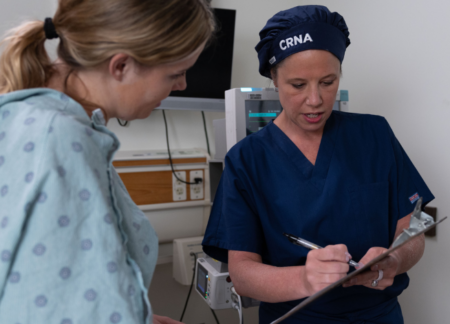
For big surgeries that need general anesthesiaA state of unconsciousness that is caused by medications administered by an anesthesia professional. This form of anesthesia is often used for procedures that would be too painful or uncomfortable to perform while the patient is only sedated or awake., your anesthesia professional, such as a Certified Registered Nurse Anesthetist (CRNA)Sometimes called a CRNA, nurse anesthesiologist, or nurse anesthetist, these are advanced practice registered nurses (APRN) who specialize in administering anesthesia for surgical, diagnostic, and therapeutic procedures. , will use many different pieces of equipment. You may also hear CRNAs called nurse anesthesiologists or nurse anesthetists. This includes:
- An anesthesia machine
- SuctioningIn anesthesia, this typically refers to the removal of body fluids such as mucus, blood, and stomach contents from the airway. devices
- Oxygen and tubing
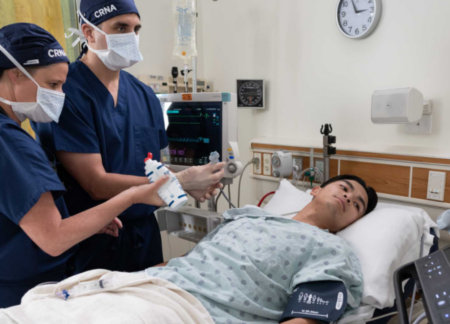
- Monitoring equipment
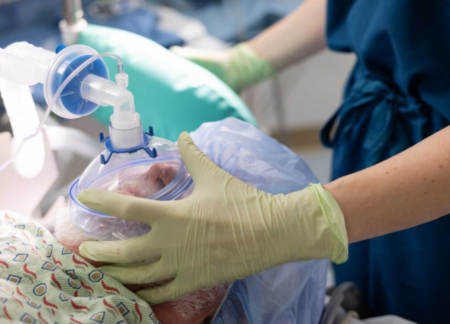
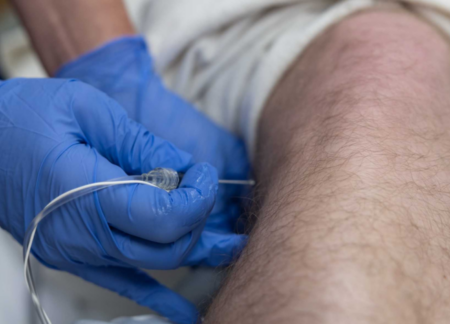
- IVA small tube that is inserted into a vein to deliver liquid medication and fluids directly into the bloodstream. and airway equipmentDevices that are used to keep the airway open. Some of these devices are invasive, such as breathing tubes, and some are non-invasive, such as masks. Some non-invasive devices can be inserted into the mouth or nose to keep the airway open.
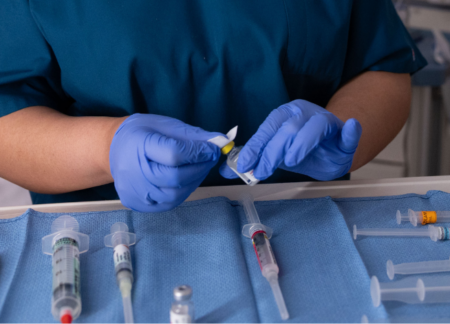
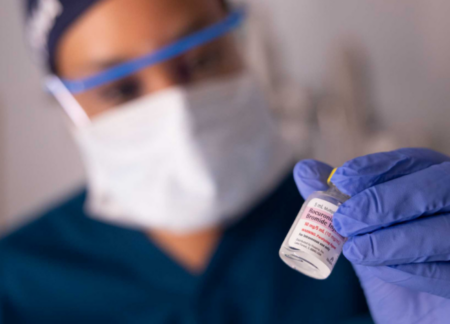
- Medication and supplies
For smaller procedures that do not need general anesthesia, your anesthesia professional will likely use less equipment.
What is an anesthesia machine?
An anesthesia machine is a medical device that safely delivers oxygen and anesthetic gasesMedications that you breathe in during anesthesia. These gases make you unconscious (asleep) and unaware. They also make you forget what happens during surgery and can prevent you from moving while you are asleep. during surgery. It helps support your breathing and monitors how your body responds to the anesthesia. The machine has sensors that check if the anesthetic gasesMedications that you breathe in during anesthesia. These gases make you unconscious (asleep) and unaware. They also make you forget what happens during surgery and can prevent you from moving while you are asleep. are at a safe level.
What types of monitoring devices are used during anesthesia?
Many different monitoring devices are used during anesthesia. The types of monitoring devices required depends on your procedure, your health, and the type of anesthesia.
For big surgeries that need general anesthesia, your anesthesia professional will likely use:
- Electrocardiogram (ECG)Sometimes called an EKG or an ECG, this medical device measures the electrical activity in your heart. It gives information about your heart rate and can also show if your heart has an irregular rhythm or if there is any damage to your heart.
- Oxygen and airway monitors
- Blood pressure monitor
- CapnographyA device that measures the amount of carbon dioxide that you are breathing out. Capnography gives information about your airway and how well you are breathing. It can also show how well your heart is working. This device is almost always used during general anesthesia, regional anesthesia, and sedation.
- Thermometer
Other devices may also be used. Some devices measure how anesthesia affects your brain activity (electroencephalogram [EEG]A device that measures your brain activity. During anesthesia, this device shows how sedation affects your brain.). Other devices measure how relaxed your muscles are (if paralysisThe inability to move your body. medications are used).
For surgeries that do not need general anesthesia, your anesthesia professional will use fewer monitoring devices. At minimum, most procedures will monitor your heart rate, blood pressure, breathing, and oxygen levels. This is true even if you’re awake and comfortable during the procedure.
Are there any other devices or equipment that are used during anesthesia?
Your anesthesia professional will have many different machines, equipment, and supplies available during your surgery or procedure. Whether these devices are needed depends on how your body handles anesthesia and what type of procedure you’re having. Examples include:
- UltrasoundOtherwise known as sonography, this is an imaging test that uses sound waves to create images/videos of the inside of the body. Ultrasounds are used to see organs, tissues, and blood vessels.
- Emergency equipment (such as a defibrillatorA device that uses electricity to "shock" your heart back into a normal rhythm. A defibrillator is used during medical emergencies. It is also used when your heart is in a dangerous rhythm that could be life-threatening.)
- BronchoscopeA thin, flexible tube with a camera on the end. It is used to see inside your airway and the passages of your lungs. Anesthesia professionals use a bronchoscope to help place breathing tubes safely and correctly.
- Warming machines to keep your body warm during surgery
Overall, there are many different types of machinery and equipment available. Your anesthesia professional has the skill, knowledge, and expertise to use this equipment safely.
Learn more about General Anesthesia and Sedation.
Disclaimer: The information on this page is for general educational and informational purposes only and does not constitute medical advice or a recommendation for any specific anesthesia technique, drug, or treatment. Users should consult a qualified medical professional before making any decisions regarding anesthesia care. For complete terms, see our Terms of Use.

Was this helpful?