Anesthesia Q&A


How does anesthesia affect redheads?
You may respond differently to anesthesiaThe use of medications to temporarily block pain, sensations, and awareness during procedures and surgery. There are many different types of anesthesia that a CRNA can provide. if your hair is naturally warm blonde or deep auburn. Research shows that redheads can handle pain more easily, but they are also less responsive to anesthesia medications.
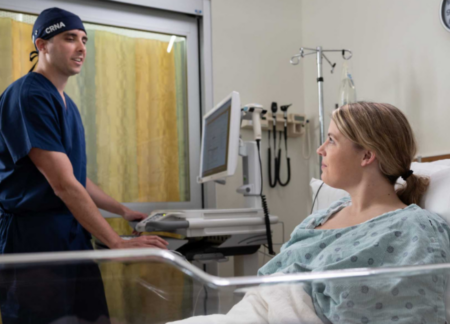
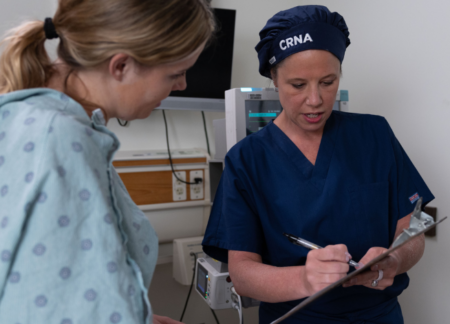
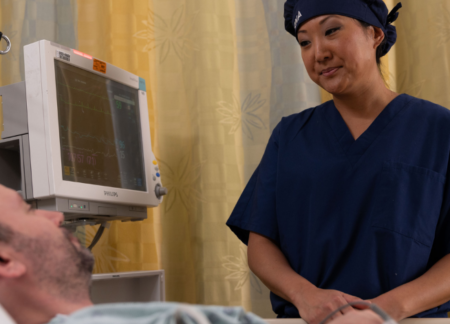
Before surgery, an anesthesia professional, such as a Certified Registered Nurse Anesthetist (CRNA)Sometimes called a CRNA, nurse anesthesiologist, or nurse anesthetist, these are advanced practice registered nurses (APRN) who specialize in administering anesthesia for surgical, diagnostic, and therapeutic procedures. , will meet with you to explain how anesthesia works and what to expect. You may also hear CRNAs called nurse anesthesiologists or nurse anesthetists. If you have red hair, your anesthesia professional may adjust anesthetic medication dosage. The dosage can be adjusted while you’re asleep based on how your body responds. The goal is to make sure you are as comfortable as possible during and after surgery.
Does GLP-1 medication affect anesthesia?
Yes, GLP-1 medications change how quickly food moves through your digestive system, which may increase the risk of complications during anesthesia. Even if you fastAbstaining from eating and drinking. This includes gum, mints, and hard candies. after midnight the day before surgery, GLP-1 medications can slow digestion and leave food in the stomach longer. This poses a risk that food and digestive juices could back up into your airway (aspirationThe inhalation of foreign materials, including food, water, stomach contents, and saliva, into the airway and lungs instead of being swallowed down the esophagus. Aspiration can lead to pneumonia, lung damage, and can even be a medical emergency. ), something all anesthesia professionals take great care to prevent.
Be sure to tell your anesthesia professional and your surgeon if you’re taking Ozempic®, Wegovy®, Zepbound®, or any other GLP-1 medication. You may be asked to stop taking your GLP-1 medication a few days before your procedure.
If you have diabetes, your anesthesia professional will take this into account to keep blood sugar levels within a safe range while you are off your medication.
For maximum safety, you might also be asked to follow a clear liquid dietFluids that are see-through. These include water, apple juice, broth, gelatin, clear soda, coffee (no cream), tea, sports drinks, and popsicles. for 24 hours before your surgery. Your healthcare team will give you a list of foods and drinks that are safe to consume. These include coffee and tea without dairy, juices with no pulp, sports drinks, broth, gelatin, clear popsicles, and more.
Do acid reflux drugs affect anesthesia?
Yes, acid reflux drugs can potentially affect the safety of anesthesia. If you take drugs for acid refluxSometimes simply called “reflux” or “heartburn,” this is a condition that happens when acidic stomach contents enter the esophagus. This can lead to a sometimes painful burning sensation in the throat and chest. such as Nexium®, Prilosec®, or Prevacid®, share this with your anesthesia professional. Similar to GLP-1 drugs, these medications affect how your stomach functions. Knowing ahead of time will help your anesthesia professional choose the right level of sedationSometimes called conscious sedation or twilight anesthesia, this is the use of medications to help you feel relaxed and calm, and sometimes fall asleep during your medical procedure. for you.
Does sleep apnea affect surgery and anesthesia?
Smooth, even breathing is crucial during surgery and recovery, so tell your anesthesia professional if you have sleep apneaA medical condition that causes someone's breathing to stop, slow down, or become irregular during sleep. . If you aren’t sure, your primary care provider can run tests to evaluate breathing problems during sleep.
If you use a CPAPA machine that provides a continuous flow of air to keep the airway open during sleep. This device is used to treat sleep apnea. machine while sleeping, your anesthesia professional may ask you to bring it with you. When your procedure is finished, you will be put on the CPAP so you can breathe comfortably as you wake up. If you do not use a CPAP, a recovery nurseA licensed healthcare professional who practices nursing care. All RNs complete special education and training and are licensed to provide nursing care in their state. will stay with you after surgery to watch for any changes in breathing.
People with sleep apnea may be given non-opioidDrugs that are typically used to control and manage pain. Examples include codeine, morphine, and fentanyl. medications to prevent sudden changes in breathing. In some cases, a special breathing tubeA flexible, plastic tube that is placed into the windpipe (trachea) to help keep the airway open and to support breathing. Breathing tubes are inserted during a process called intubation. is used. Your anesthesia professional will explain these options, so you know what to expect. Both are considered safe, reliable methods to keep patients with sleep apnea comfortable during surgery.
Can anesthesia change the effectiveness of my birth control pill, vaginal ring, or IUD?
Some medications administered before or after anesthesia, such as Sugammadex®, may temporarily reduce the power of progesterone-based birth control. If you use this type of birth control, you should use a barrier method like condoms or a diaphragm for two weeks after surgery to reduce your risk of pregnancy.
It’s important to let your anesthesia professional know if you use hormone-based birth control. The progesterone hormone is a key ingredient in all birth control pills and many vaginal rings and implants.
Does anesthesia change how vaccines work?
Anesthesia will not weaken the effectiveness of vaccines. However, if you have been vaccinated a few days or weeks before anesthesia, vaccination side effects could last longer. For example, post-vaccine symptoms like mild fever or body aches could hang around for a full week instead of a day or two. Most people do not have any vaccine side effects.
Anesthesia is more likely to cause lingering vaccine side effects if you receive a live vaccineVaccines that use a weakened form of the virus to help train the body's immune system to fight off future infections. before surgery. The healthcare professional who vaccinates you can confirm whether you are getting a live, inactive or mixed vaccine. With live vaccines, watch for fever and aches that don’t respond to over-the-counter medications. See your primary care provider if symptoms do not improve over time.
Vaccines do not impact the safety of anesthesia and anesthesia does not impact the safety or effectiveness of vaccines.
Can I take a sleeping pill the night before surgery?
If sleep medication is part of your daily sleep routine, make sure you discuss this with your surgeon ahead of time. These medications can affect how anesthesia works, so they may advise that you avoid these medications the night before surgery. If you don’t take sleep medication on a regular basis, it’s best to skip them before surgery.
If you do end up taking sleep medication the night before surgery or if you take these medications on a regular basis, make sure you notify your anesthesia professional. Since these medications can affect how anesthesia works, your anesthesia professional may need to make adjustments to your anesthesia plan to ensure your comfort and safety.
Is anesthesia safe for people with heart conditions?
Generally, yes. It’s important to communicate your heart health history with your anesthesia professional because some sedatives can affect how the heart works. They may choose one type of anesthesia over another or medicate you slowly to prevent issues.
Your anesthesia professional needs to know if you have congestive heart failure or have undergone bypass surgery. You may need clearance from your heart specialist, like a cardiologistA medical doctor who specializes in the prevention, diagnosis, and treatment of conditions and diseases related to the heart and blood vessels. , before having new procedures, especially if you had heart surgery within the last three years.
Your anesthesia professional can work with a heart specalist to recommend ways to reduce possible heart risks. For example, adding special blood pressure monitoring devices may make anesthesia care safer.
Can allergies affect how anesthesia works?
It depends on the type of allergies, how serious they are, and what you take for them. Your anesthesia professional will ask about medications and other steps in your allergy care routine. If you have ever been sent to the hospital for an allergy or asthma attack, be sure to share this information, too.
Since allergies and asthma affect breathing, knowing how to care for them is crucial. Your anesthesia professional will work diligently to prevent breathing issues during and after surgery.
Disclaimer: The information on this page is for general educational and informational purposes only and does not constitute medical advice or a recommendation for any specific anesthesia technique, drug, or treatment. Users should consult a qualified medical professional before making any decisions regarding anesthesia care. For complete terms, see our Terms of Use.





Was this helpful?