Anesthesia Risks, Side Effects, and Complications
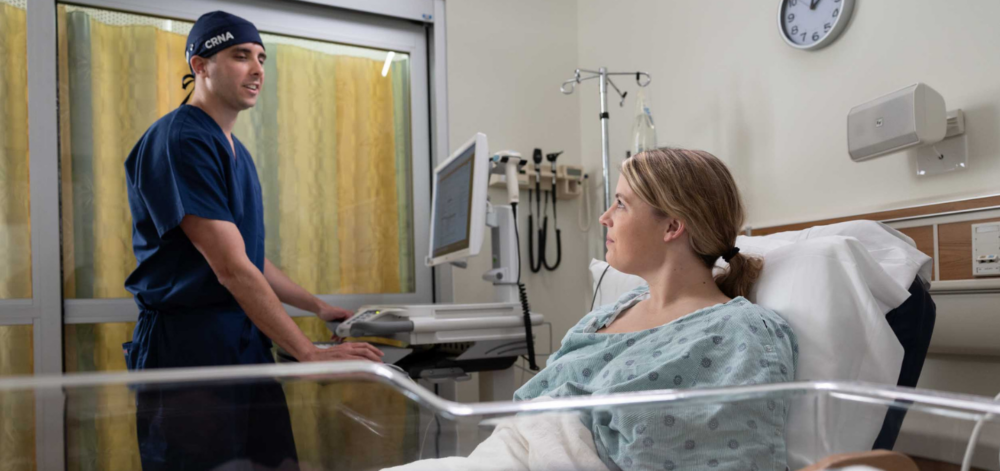

AnesthesiaThe use of medications to temporarily block pain, sensations, and awareness during procedures and surgery. There are many different types of anesthesia that a CRNA can provide. plays an important role in many medical procedures. It helps keep you safe, comfortable, and pain-free while allowing your healthcare team to perform the procedure safely.
It’s normal to have questions or concerns about anesthesia. Some common questions on many patients’ minds before anesthesia are:
- “Will I wake up during surgery?”
- “Will I hear anything while I’m asleep?”
- “Will I feel pain?”
- “Will I wake up afterward?”
These concerns are completely understandable. Before your procedure, your anesthesia professional will review your medical history, answer your questions, and explain what to expect. Your anesthesia professional, such as a Certified Registered Nurse Anesthetist (CRNA)Sometimes called a CRNA, nurse anesthesiologist, or nurse anesthetist, these are advanced practice registered nurses (APRN) who specialize in administering anesthesia for surgical, diagnostic, and therapeutic procedures. , is there to work with you during your personalized anesthesia experience. You may also hear CRNAs called nurse anesthesiologists or nurse anesthetists.
Common anesthesia side effects
Some of the most common side effects that may happen include:
- Grogginess or fatigue as the anesthesia and stress of surgery wear off.
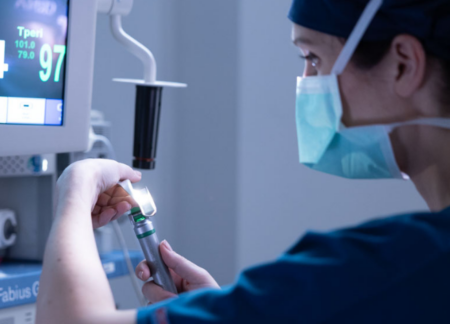
- Sore throat if a breathing tubeA flexible, plastic tube that is placed into the windpipe (trachea) to help keep the airway open and to support breathing. Breathing tubes are inserted during a process called intubation. was used during general anesthesiaA state of unconsciousness that is caused by medications administered by an anesthesia professional. This form of anesthesia is often used for procedures that would be too painful or uncomfortable to perform while the patient is only sedated or awake..
- Nausea or vomiting
- Nausea after surgery can sometimes occur due to the procedure, your tendency for motion sickness, decreased drinking of liquids before the procedure, or opioid Drugs that are typically used to control and manage pain. Examples include codeine, morphine, and fentanyl. pain medications given during surgery or recovery.
- Your anesthesia professional will provide medications and fluidsLiquids (usually salt water with important minerals called electrolytes) that go into your vein through an IV line. These fluids help keep your body healthy and hydrated (full of water) while under medical care. to help reduce the risk and manage nausea and other side effects.
- Dry mouth or mild headache will improve as you begin to eat and drink.
- Dizziness when standing for the first time.
- ConstipationNot being able to have a bowel movement. This can happen for many reasons including surgery, medicine, or eating too much fat and not enough fiber. is often related to the pain medications used during and after surgery rather than the anesthesia itself
- Your healthcare team can assist you in minimizing this side effect.
These symptoms usually improve within a few hours or a day or two after surgery, and your anesthesia professional often gives medications and fluidsLiquids (usually salt water with important minerals called electrolytes) that go into your vein through an IV line. These fluids help keep your body healthy and hydrated (full of water) while under medical care. to help prevent or treat them. Most side effects from anesthesia are mild and temporary. In fact, many people experience little to no discomfort after their procedure.
Communication during anesthesia care
Open communication with your anesthesiaThe use of medications to temporarily block pain, sensations, and awareness during procedures and surgery. There are many different types of anesthesia that a CRNA can provide. professional is one of the best ways to improve your safety. Before your procedure, tell them if you:
- Have had problems with anesthesia before
- Experience motion sickness or nausea easily
- Take medications or supplements
- Use tobacco or any other substances like alcohol or marijuana (among others)
- Have concerns or fears about anesthesia
- Have medical conditions such as diabetes, asthma, heart disease, etc.
- Have a family history of reactions to anesthesia
After the procedure, contact your care team if you experience:
- Persistent vomiting
- Trouble breathing
- Severe pain
- Unusual dizziness
Learn more about When to Contact Your Healthcare Team.
Frequently Asked Questions
Common questions about anesthesia risks, side effects, and complications.
Is anesthesia safe?
Yes, modern anesthesia is very safe when given by trained professionals. Like any medical treatment, anesthesia can have risks and side effects. Anesthesia professionals are highly trained to partner with you to prepare you for anesthesia, provide your anesthesia, and transition you safely through your recovery. CRNAs use a variety of techniques and medications to keep you comfortable and safe while taking steps to prevent complications and minimize side effects.
How does my anesthesia professional keep me safe?
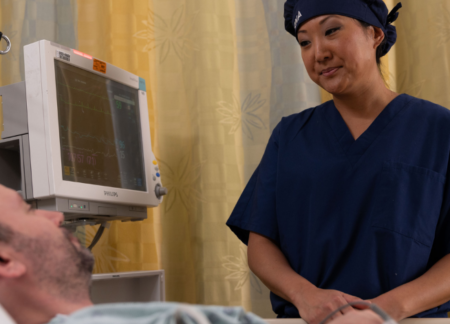
Your anesthesia professional keeps you safe by continuously monitoring your body and adjusting medications throughout your procedure. Anesthesia professionals are specially trained to support your vital functions during procedures. While you are under anesthesia, they closely monitor:
- Level of sedationSometimes called conscious sedation or twilight anesthesia, this is the use of medications to help you feel relaxed and calm, and sometimes fall asleep during your medical procedure. or anesthesia
- Heart rate and heart rhythm
- Blood pressure
- Breathing and oxygen levels
- Temperature
- Intravenous (IV) fluid need
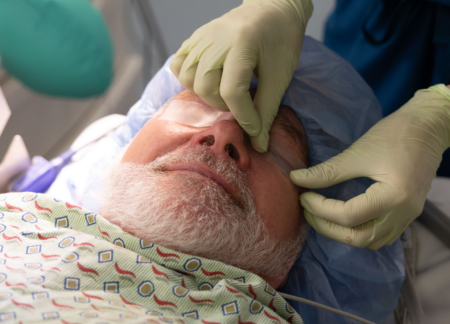
Anesthesia professionals also carefully position your body to protect nerves, joints, and circulation during surgery. In many cases, patients are actively warmed during procedures to support healing and help them recover more comfortably. Though you may not know, from before you come in for your procedure to when you prepare to return home, your CRNA has worked with your healthcare team to ensure the best experience and outcome. Learn more about Anesthesia Medication Safety and Safety in the Operating Room.
What rare complications may occur during anesthesia?
Serious complications during and after anesthesia are rare, but they can happen. Your anesthesia professional is trained to quickly recognize and treat these issues if they occur.
Possible things your anesthesia provider will be watching for may include:
- Breathing problems
- Significant changes in blood pressure that require treatment
- Allergic reaction to medication
- Awareness during surgery (very uncommon)
- The need for breathing support after surgery in higher-risk patients
The risk of unexpected events may be higher for patients with certain medical conditions, such as those undergoing complex procedures, or for patients whose family members have experienced an unanticipated response to anesthesia, such as malignant hyperthermiaA rare reaction to some anesthesia medications that causes intense muscle contractions, fever, high heart rate, and other symptoms. This reaction can be life-threatening, but it is treatable. .
Your anesthesia professional will carefully review your medical history to identify and minimize these risks. Trusting your team and sharing your health information and anesthesia-related questions is critical to a safe anesthesia experience.
Learn more about Anesthesia Fears and Myths and Anesthesia Q&A.
Disclaimer: The information on this page is for general educational and informational purposes only and does not constitute medical advice or a recommendation for any specific anesthesia technique, drug, or treatment. Users should consult a qualified medical professional before making any decisions regarding anesthesia care. For complete terms, see our Terms of Use.





Was this helpful?