Smoking and Anesthesia
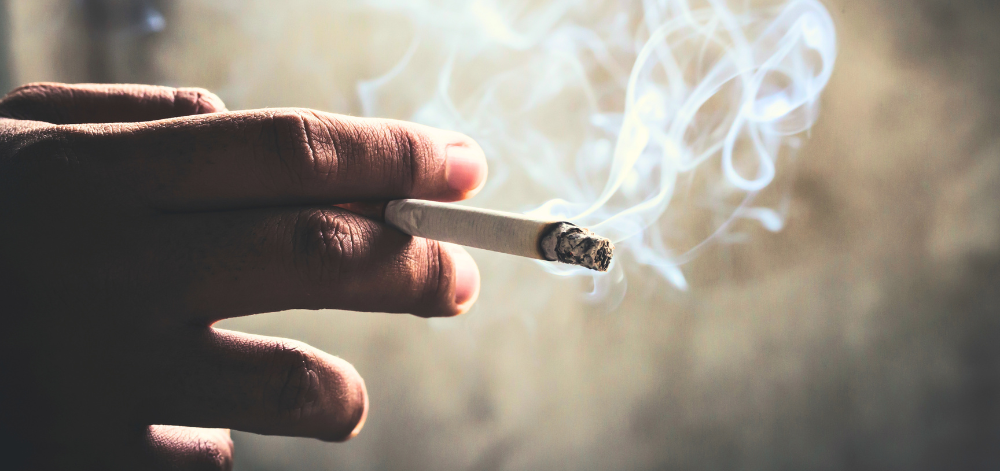

All forms of smoking and the use of tobacco products can cause serious harm to your body.
Smoking tobacco products, like cigarettes, damages many parts of the body over time, especially the lungs and heart. The harmful effects of smoking are well known. In fact, cigarettes are the leading cause of preventable death in the United States, according to the American Lung Association (2024).
What many people may not know is how smoking affects surgery and anesthesiaThe use of medications to temporarily block pain, sensations, and awareness during procedures and surgery. There are many different types of anesthesia that a CRNA can provide. . If you are getting ready for surgery, your pre-surgery instructions probably tell you to stop smoking before and after your procedure.
Most instructions say to stop smoking at least 24–48 hours before surgery. But the sooner you quit, the better. Quitting 4–8 weeks before surgery is ideal and can greatly improve your surgical outcomes (how well you heal and recover).
Frequently Asked Questions
Common questions about smoking and anesthesia.
Can I smoke before surgery?
No, you should not smoke before surgery. Smoking increases the risks of complications such as infections, poor healing, and heart problems and is discouraged before surgery. Reasons include:
- Damage to lung tissue: Smoking harms your lungs. This raises your risk of infections like pneumoniaAn infection of one or both lungs. This infection can lead to inflammation and difficulty breathing. . It also increases the chance that you may need a ventilatorA machine that breathes for you. after surgery.
- Poor healing after surgery: Smoking reduces blood flow to many parts of your body, including surgical incisionsA cut through the skin and tissue that is needed to perform surgery. Not every surgery requires an incision. The opening is usually "closed up" with stitches or staples after the surgery. . Less blood flow means less oxygen and nutrients reach the area, which increases the risk of infection and slows healing.
- Heart attack risk: When blood flow is reduced, less oxygen reaches the muscles of your heart. Smokers have a higher risk of heart attack both before and after surgery.
- Blood clot risk: Smoking makes your blood clot more easily. This raises the risk of stroke, heart attack, and blood clots in the legs during and after surgery.
- More anesthesia needed: People who use nicotineThe highly addictive drug in tobacco products. may need more anesthesia medications to stay sedatedSometimes called conscious sedation or twilight anesthesia, this is the use of medications to help you feel relaxed and calm, and sometimes fall asleep during your medical procedure. during surgery. This increases the risk of anesthesia-related side effects. Read more about Anesthesia Risks, Side Effects, and Complications.
All of these risks can affect your safety during surgery. If you smoke, it is very important to tell your surgeon and your anesthesia professional, such as a Certified Registered Nurse Anesthetist (CRNA)Sometimes called a CRNA, nurse anesthesiologist, or nurse anesthetist, these are advanced practice registered nurses (APRN) who specialize in administering anesthesia for surgical, diagnostic, and therapeutic procedures. . You may also hear CRNAs called nurse anesthesiologists or nurse anesthetists. This helps your anesthesia professional create the safest anesthesia plan for you.
When can I smoke after my surgery?
Many healthcare professionals recommend avoiding tobacco products for a few weeks after your surgery. Check with your anesthesia professional and your healthcare provider to see what they recommend.
Even better, you can use your surgery as a chance to quit smoking for good. The longer you abstain (stay away) from smoking, the more your overall health will improve.
What about other forms of nicotine (like vaping & nicotine pouches)?
Other forms of nicotine such as vaping products and nicotine pouches (like Zyn) may still contain nicotine. Nicotine is the active drug in tobacco. Any product that contains nicotine can put your safety at risk during surgery. Nicotine can lead to many of the same problems listed above, including poor healing, blood clots, heart attack, and the need for more anesthesia.
Thinking of quitting? Need help?
Quitting tobacco can be very hard, but it is possible. It may be one of the most important decisions you ever make for your health. And you do not have to do it alone.
There are many resources available to help people quit smoking. You can call the tobacco quit line at 1-800-QUIT-NOW (1-800-784-8669) or text QUITNOW to 333888 for free support and information.
The American Cancer Society also offers helpful resources for people who want to quit using tobacco products. QUIT TOBACCO
The sooner you quit, the more you lower your risks, both for surgery and for your long-term health.
Learn more about Addiction and Anesthesia.
Disclaimer: The information on this page is for general educational and informational purposes only and does not constitute medical advice or a recommendation for any specific anesthesia technique, drug, or treatment. Users should consult a qualified medical professional before making any decisions regarding anesthesia care. For complete terms, see our Terms of Use.




Was this helpful?