Faster Recovery after Surgery
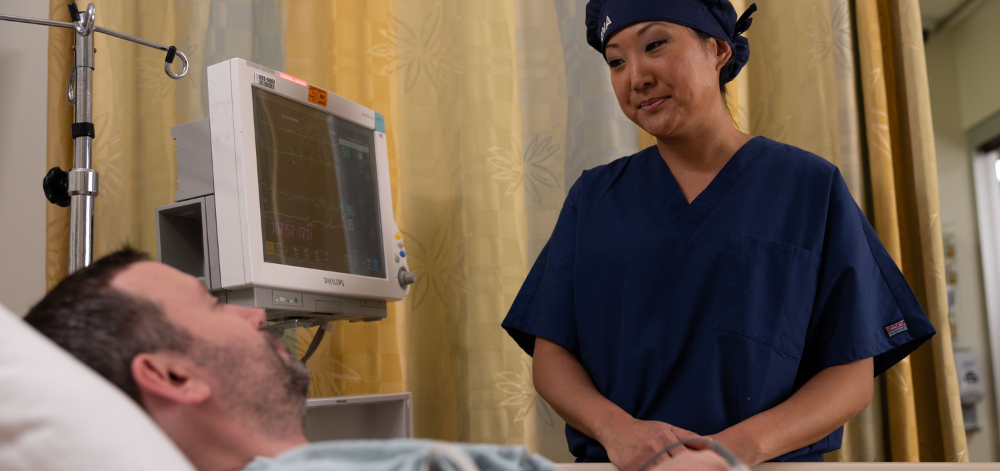

Before surgery
Recovery after surgery starts with good preparation prior to admission. Here are some ways to prepare your body and mind before surgery:
- Follow your healthcare provider(s) instructions: Your provider(s) will give you important instructions to help you prepare for surgery. These instructions are designed to keep you safe and support healing. Learn more about What to Know Before Your Procedure.
- Follow a healthy diet: Eat a balanced diet that includes fruit, vegetables, and protein. A healthy diet helps your body heal, stay strong, and fight off infections.
- Stay active: It is common to lose strength during recovery. Being active before surgery can help prevent this. Activities may include walking, climbing stairs, or stretching.
- Quit smoking and avoid alcohol use at least four weeks before surgery: Smoking and alcohol can slow healing and increase the risk of complications. Learn more about Smoking and Anesthesia and Addiction and Anesthesia.
- Manage stress: Stress can make it harder for your body to heal after surgery. Try stress-relieving activities such as meditation, breathing exercises, or mindfulnessBeing aware in the present moment by paying attention to what you may be feeling, hearing, or anything else you notice.. If your stress feels overwhelming, talk with your healthcare team.
Learn more about preparing for surgery.
After surgery
- Pain management: Your anesthesia professional will manage your pain during surgery and right after the procedure. Your surgeon will give you instructions on how to manage pain at home. Good pain management helps you stay comfortable, move safely, and recover faster.
- Practice deep breathing: Your provider may give you an incentive spirometerA handheld medical device that allows you to take slow, deep breaths to prevent infections and mucus buildup in the lungs.. This device helps you take deep breaths after surgery. Deep breathing is important to help prevent post-operative infections such as pneumoniaAn infection of one or both lungs. This infection can lead to inflammation and difficulty breathing. .
- Get moving: If possible, try to walk four to six times a day for at least five to ten minutes each time. Movement helps maintain strength, prevent complications, and supports healing. If you cannot walk, you can do exercises in bed, such as ankle pumps or circles, heel slides, and leg activation (clenching your muscles for five seconds, then relaxing).
- Prevent infections: Keep the surgical siteA cut through the skin and tissue that is needed to perform surgery. Not every surgery requires an incision. The opening is usually "closed up" with stitches or staples after the surgery. clean by following your healthcare team’s instructions. Wash your hands often and practice good hygiene to reduce the risk of infection.
- Follow your post-operative instructions and attend follow-up visits: Your provider(s) will give you aftercare instructions before you go home. It is important to follow these instructions closely and contact your provider if you have questions or concerns.
Learn more about recovering after anesthesia.
Remember that recovering quickly after surgery is an important goal for both you and your healthcare team. By working together and following the recommended steps, you can help support a safe and successful recovery.
Frequently Asked Questions
Common questions about recovery.
How long does it take to recover from surgery?
The amount of time it takes to recover from surgery depends on many factors:
- Type of surgery
- Which body part(s) are affected
- How closely you follow preoperativeBefore surgery and postoperativeAfter surgery instructions
- Your overall health and emotional well-being
Your healthcare team will partner with you to eat, drink, and walk as soon as possible after surgery to help speed up your recovery.
For some small in-office procedures, such as a biopsyA medical procedure where a small sample of tissue or cells are removed for further testing. These are used to diagnose disease. , a person may feel “back to normal” the same day, though tired. For some major surgeries, such as heart surgery, your recovery will be more gradual. In general, the more invasiveSurgeries and procedures that enter the body. This is usually by cutting or puncturing the skin, but this can also include inserting instruments into the body. the surgery or procedure, the longer the recovery time.
How do I recover faster after surgery?
You can speed up healing (recover faster) after surgery by following the care plan created by your healthcare team. Many healthcare providers and facilities use Enhanced Recovery After Surgery (ERAS)A care plan created by your healthcare team that includes you and your family, so you can take an active role in your care and recovery. programs to help patients prepare for surgery and recover quickly.
An important part of ERAS programs is that they are patient centered. This means your preferences, values, and needs help guide your medical care. By working closely with your care team and following ERAS guidelines, you can improve healing and return to normal activities sooner.
Disclaimer: The information on this page is for general educational and informational purposes only and does not constitute medical advice or a recommendation for any specific anesthesia technique, drug, or treatment. Users should consult a qualified medical professional before making any decisions regarding anesthesia care. For complete terms, see our Terms of Use.





Was this helpful?