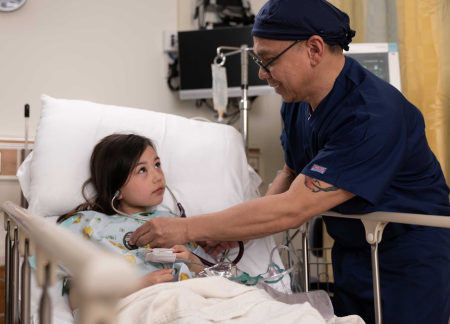
About CRNAs /nurse anesthesiologists
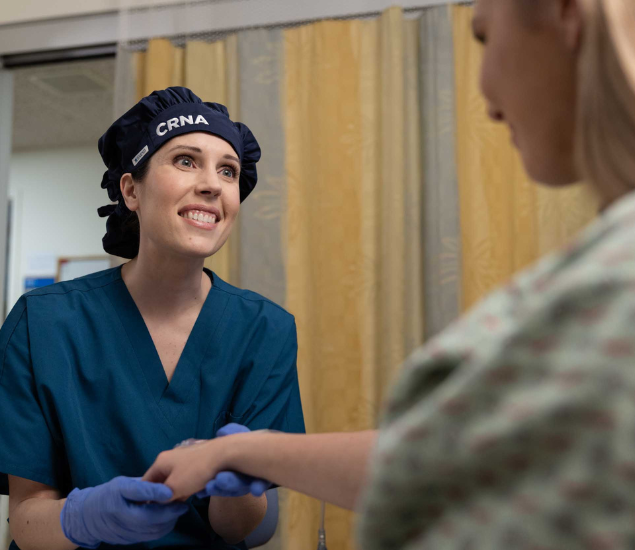
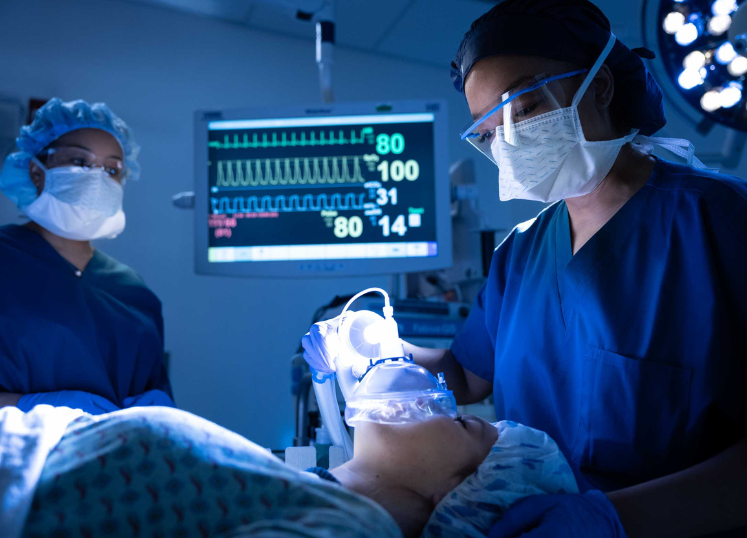
A Certified Registered Nurse Anesthetist (CRNA)Sometimes called a CRNA, nurse anesthesiologist, or nurse anesthetist, these are advanced practice registered nurses (APRN) who specialize in administering anesthesia for surgical, diagnostic, and therapeutic procedures. Sometimes called a CRNA, nurse anesthesiologist, or nurse anesthetist, these are advanced practice registered nurses (APRN) who specialize in administering anesthesia for surgical, diagnostic, and therapeutic procedures. is an advanced practice registered nurseRegistered Nurses (RNs) who have a Master’s or Doctoral degree in nursing and special certification. These nurses can treat and manage patient problems, prescribe medications, and order tests. Registered Nurses (RNs) who have a Master’s or Doctoral degree in nursing and special certification. These nurses can treat and manage patient problems, prescribe medications, and order tests. who specializes in anesthesiaThe use of medications to temporarily block pain, sensations, and awareness during procedures and surgery. There are many different types of anesthesia that a CRNA can provide. The use of medications to temporarily block pain, sensations, and awareness during procedures and surgery. There are many different types of anesthesia that a CRNA can provide. care. You may also hear CRNAs called nurse anesthesiologists or nurse anesthetists. CRNAs have special education and training that allows them to give anesthesia safely. They take care of patients before, during, and after surgeries and medical procedures. Learn more About CRNAs.
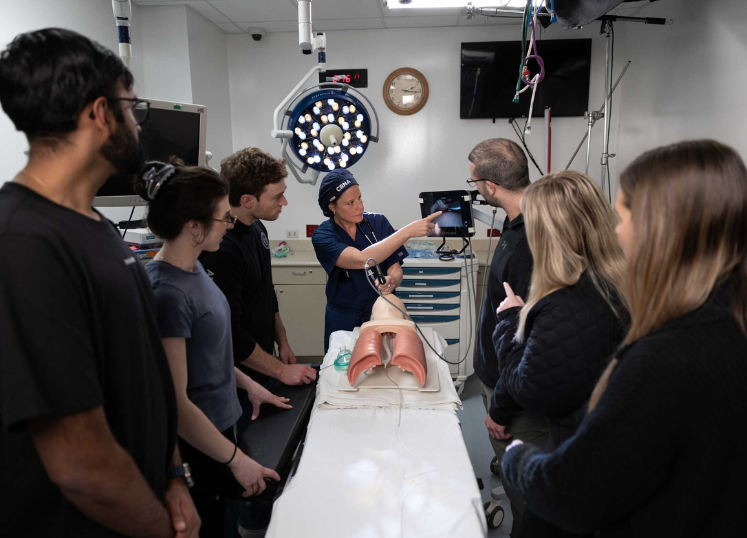
CRNAsSometimes called a CRNA, nurse anesthesiologist, or nurse anesthetist, these are advanced practice registered nurses (APRN) who specialize in administering anesthesia for surgical, diagnostic, and therapeutic procedures. Sometimes called a CRNA, nurse anesthesiologist, or nurse anesthetist, these are advanced practice registered nurses (APRN) who specialize in administering anesthesia for surgical, diagnostic, and therapeutic procedures. complete extensive education, clinical training, and certification to provide safe anesthesia care. Learn more about CRNA Education and Training.
Questions about CRNAsSometimes called a CRNA, nurse anesthesiologist, or nurse anesthetist, these are advanced practice registered nurses (APRN) who specialize in administering anesthesia for surgical, diagnostic, and therapeutic procedures. Sometimes called a CRNA, nurse anesthesiologist, or nurse anesthetist, these are advanced practice registered nurses (APRN) who specialize in administering anesthesia for surgical, diagnostic, and therapeutic procedures. ? Read this article on CRNA Frequently Asked Questions to learn more about these anesthesia professionals.