CRNA Education and Training

Step 1: Become a registered nurse
The first step to becoming a Certified Registered Nurse Anesthetist (CRNA)Sometimes called a CRNA, nurse anesthesiologist, or nurse anesthetist, these are advanced practice registered nurses (APRN) who specialize in administering anesthesia for surgical, diagnostic, and therapeutic procedures. , also called a nurse anesthesiologist, is earning a bachelor’s degree in nursing and becoming a registered nurse (RN)A licensed healthcare professional who practices nursing care. All RNs complete special education and training and are licensed to provide nursing care in their state. .
There are two parts to becoming an RN: education and licensure.
- Education: A baccalaureate or graduate degree in nursing with a minimum GPA of 3.0
- Licensure: Graduates must pass the NCLEX-RNThe National Council Licensure Examination for Registered Nurses is the mandatory exam to measure nursing competence of the entry-level registered nurse. exam in the state where they will practice
Did You Know?
Preparing to become a CRNA takes about 8–8.5 years of education and experience.
Step 2: Meet CRNA requirements
RNs who want to become a CRNA must have:
- A BSN degree
- A current, unrestricted nursing license
- At least one year of experience working as a nurse in a critical care setting
- Minimum 3.0 GPA
- CPR (cardiopulmonary resuscitation) and advanced life support certifications
Additionally, an RN may decide to get their CCRN (critical care registered nurse certification) and shadow a CRNA. These are not required to become a CRNA, but are highly recommended.
These are the minimum requirements. Many CRNAs have several years of critical care nursing experience before starting a nurse anesthesiaThe use of medications to temporarily block pain, sensations, and awareness during procedures and surgery. There are many different types of anesthesia that a CRNA can provide. education program.
Step 3: Complete a nurse anesthesia program
Nurse anesthesia program admissions are very competitive. Each year, about 3,000 RNs and advanced practice registered nurses (APRNs)Registered Nurses (RNs) who have a Master’s or Doctoral degree in nursing and special certification. These nurses can treat and manage patient problems, prescribe medications, and order tests. are accepted as nurse anesthesia students (residents).
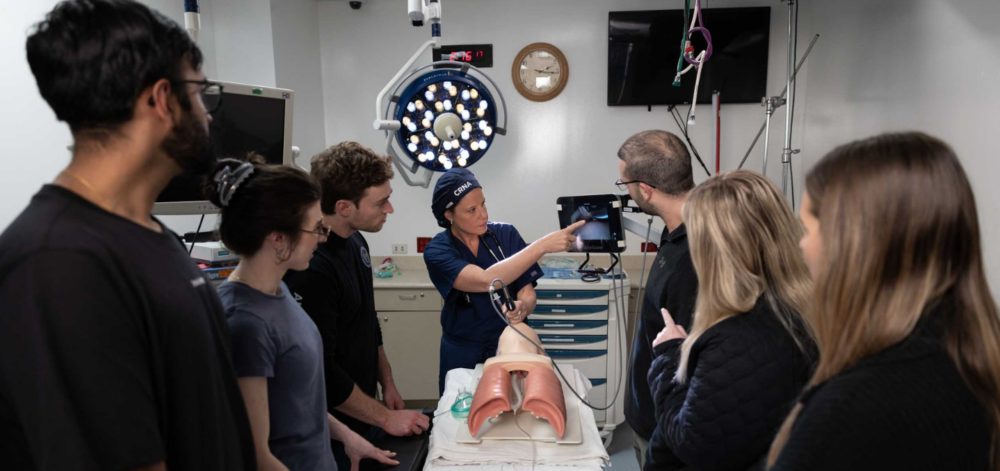
These programs are 36 months long on average. During this time, nurse anesthesia students (residents) complete the coursework necessary to enter their clinical experiences to learn all aspects of anesthesia care.
All nurse anesthesia education programs in the United States award a professional doctorate degree.
Did You Know?
There are 152 accredited nurse anesthesia programs in the United States and Puerto Rico.
Step 4: Certification and practice
Each year, more than 2,400 nurse anesthesia students (residents) graduate from these programs. After graduating, they must pass the National Certification Examination (NCE)This exam measures the knowledge, skills and abilities necessary for entry-level nurse anesthesia practitioners. and apply for state recognition to practice as a CRNA.
Ongoing Certification
After becoming a CRNA, certification requirements must be completed every four years. This includes at least 100 hours of continuing education, along with other requirements.
Learn more about CRNA Frequently Asked Questions.
Did You Know?
CRNA graduates complete an average of 9,432 clinical hours.
Disclaimer: The information on this page is for general educational and informational purposes only and does not constitute medical advice or a recommendation for any specific anesthesia technique, drug, or treatment. Users should consult a qualified medical professional before making any decisions regarding anesthesia care. For complete terms, see our Terms of Use.
Was this helpful?