CRNA Frequently Asked Questions


Do CRNAs work with physicians?
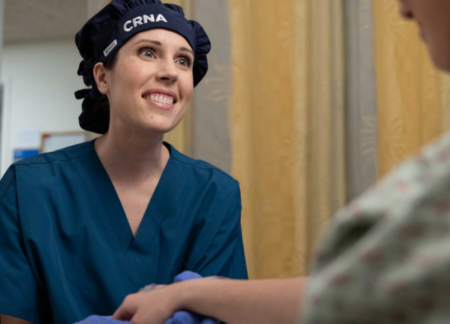
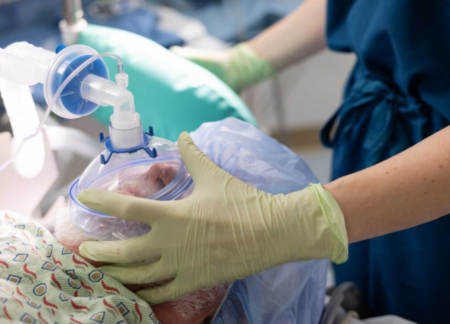
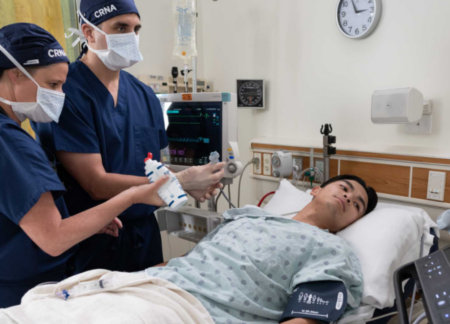
Yes. Like all anesthesiaThe use of medications to temporarily block pain, sensations, and awareness during procedures and surgery. There are many different types of anesthesia that a CRNA can provide. professionals, Certified Registered Nurse Anesthetists (CRNAs)/ nurse anesthesiologistsSometimes called a CRNA, nurse anesthesiologist, or nurse anesthetist, these are advanced practice registered nurses (APRN) who specialize in administering anesthesia for surgical, diagnostic, and therapeutic procedures. work closely with the healthcare team to care for patients. This team includes surgeons and other physician specialists. Together, they focus on your safety and comfort.
State laws are different across the country. In more than half of all states, CRNAs do not need physician supervision. No matter the state, CRNAs are always responsible for their own actions. Surgeons rely on CRNAs as experts in anesthesia care. You may also hear CRNAs called nurse anesthesiologists or nurse anesthetists.
What's the difference between a CRNA and a physician anesthesiologist?
CRNAs and physician anesthesiologistsSometimes simply called an "anesthesiologist," these are medical doctors who specialize in administering anesthesia for surgical, diagnostic, and therapeutic procedures. both provide anesthesia services and work with the same types of physician specialists. When anesthesia is given by a CRNA, it is considered the practice of nursing. When a physician anesthesiologist gives anesthesia, it is considered the practice of medicine.
All anesthesia professionals use the same modern equipment and advanced techniques. Research shows that anesthesia care is just as safe and effective whether it is provided by a CRNA or a physician anesthesiologist. Many studies have found no difference in patient outcomes.
Frequently Asked Questions
Common questions about CRNAs.
Is anesthesia safe?
Yes. Anesthesia is much safer today because of better medications, improved technology, and advanced training for anesthesia professionals. According to the Institute of Medicine (IOM) and the American Association of Nurse Anesthesiology (AANA) anesthesia is nearly 50 times safer than it was 30 years ago.
In a 1999 report, the IOM named anesthesia as one of the safest areas of healthcare. Today, deaths related to anesthesia happen about once in every 250,000 to 300,000 anesthetics. This is true even though patients are older and often sicker than in the past. Studies continue to show that CRNAs and physician anesthesiologists provide the same high level of safe care.
How do CRNAs maintain certification?
To maintain certification, CRNAs must complete at least 100 hours of approved continuing education every four years. They must also show they are actively practicing anesthesia, keep their state license current, and confirm that they do not have any conditions that could affect their ability to provide safe anesthesia care.
How does CRNA education and training compare to that of physician anesthesiologists?
CRNAs and physician anesthesiologists receive similar education and training in anesthesia. Research shows that CRNAs provide anesthesia care that is just as safe and effective as that provided by physician anesthesiologists.
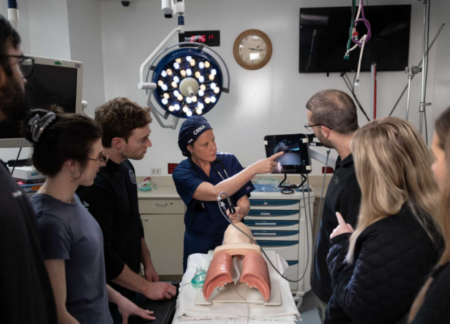
CRNAs/nurse anesthesiologists are nurses. To become a CRNA, an individual must:
- Earn a baccalaureate or graduate degree in nursing
- Be a licensed registered nurse (RN)A licensed healthcare professional who practices nursing care. All RNs complete special education and training and are licensed to provide nursing care in their state.
- Have at least 1 year experience working as a nurse in a critical care setting, such as an intensive careSometimes called critical care units, these are hospital departments that care for the sickest patients. These are patients with life-threatening illnesses or injuries who often need 1:1 care and constant monitoring. unit
- Complete an accredited nurse anesthesia program
Today, these doctoral programs generally take about 3-4 years, and result in a Doctor of Nurse Practice (DNP) or Doctor of Nurse Anesthesia Practice (DNAP) degree. Graduates must then pass the National Certification ExaminationThis exam measures the knowledge, skills and abilities necessary for entry-level nurse anesthesia practitioners. to become certified as a CRNA.
Information adapted from Anesthesia Facts FAQs.
Disclaimer: The information on this page is for general educational and informational purposes only and does not constitute medical advice or a recommendation for any specific anesthesia technique, drug, or treatment. Users should consult a qualified medical professional before making any decisions regarding anesthesia care. For complete terms, see our Terms of Use.



Was this helpful?