Interested in learning more about the different types of anesthesia? Download and print these resources from our experts in anesthesia care. The Full Anesthesia Comparison Chart provides a detailed summary of the different types of anesthesia, while the Quick Anesthesia Comparison Chart briefly reviews the similarities and differences of each anesthesia type.
General Anesthesia
A safe and effective form of anesthesia that keeps you comfortable during your surgery.
Reviewed on April 22, 2026 by Thomas Winn, DNP, CRNA, CNE
Article Summary
General anesthesia is a type of anesthesia that causes a person to become fully unconscious and unaware during a medical procedure. This article explains how general anesthesia works, what patients can expect before, during, and after surgery, and the safety measures anesthesia professionals use to closely monitor patients throughout their care. It also answers common questions about risks, recovery, and how to prepare for a safe anesthesia experience.

What is general anesthesia?
General anesthesiaA state of unconsciousness that is caused by medications administered by an anesthesia professional. This form of anesthesia is often used for procedures that would be too painful or uncomfortable to perform while the patient is only sedated or awake. is a medication-induced state that makes you fully unconscious during surgery.
It is often used for complex procedures that would be too painful or uncomfortable to perform while you are awake. General anesthesia allows you to be completely unconscious or asleep during surgery, so you won’t feel pain, move your body, or remember the procedure afterward. Your anesthesiaThe use of medications to temporarily block pain, sensations, and awareness during procedures and surgery. There are many different types of anesthesia that a CRNA can provide. professional, such as a Certified Registered Nurse Anesthetist (CRNA)Sometimes called a CRNA, nurse anesthesiologist, or nurse anesthetist, these are advanced practice registered nurses (APRN) who specialize in administering anesthesia for surgical, diagnostic, and therapeutic procedures. , will monitor you closely before, during, and after surgery to help keep you safe and comfortable. You may also hear CRNAs called nurse anesthesiologists or nurse anesthetists.
It’s important to remember that every patient is different and there’s no one-size-fits-all approach to anesthesia. Before your procedure, your anesthesia professional will meet with you to review your medical history, explain your options, and answer your questions. Your anesthesia professional will consider your preferences, health, and clinical situation when planning the safest anesthesia plan for you. Learn about Anesthesia Medication Safety.
Types of general anesthesia
There are two main types of general anesthesia. Your anesthesia professional will choose the best approach for you and your procedure.
Total intravenous anesthesia (TIVA)A form of general anesthesia where medications are given through an IV instead of through inhaled gases.
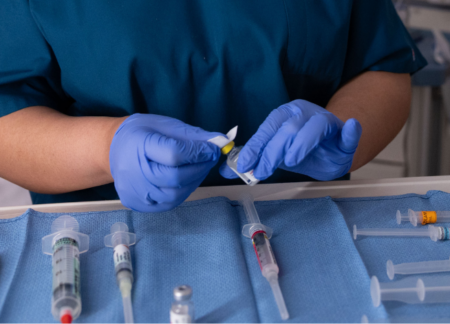
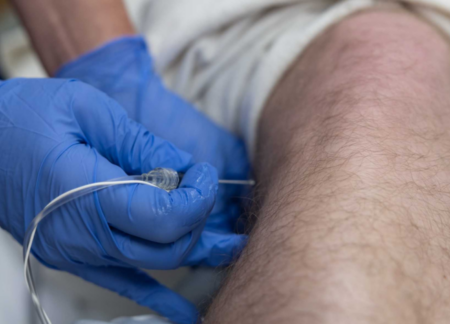
This method uses medications delivered through an IVA small tube that is inserted into a vein to deliver liquid medication and fluids directly into the bloodstream. , most commonly a medication called propofol. IV anesthesia does not require an inhaled gas. TIVA is sometimes chosen because it may:
- Lower the risk of nausea and vomiting
- Reduce feelings of grogginess, confusion, and memory loss after surgery
Inhaled (volatile) anesthesia
This method uses anesthetic gasMedications that you breathe in during anesthesia. These gases make you unconscious (asleep) and unaware. They also make you forget what happens during surgery and can prevent you from moving while you are asleep. that you breathe in during surgery. In many cases, a CRNA or another anesthesia professional will use a combination of IV medications and inhaled anesthesia. Inhaled anesthesia may be preferred over TIVA depending on the procedure, patient factors, and for those who have poor IV access. Both methods are safe and effective.
Frequently Asked Questions
Common questions about general anesthesia.
What happens before general anesthesia?
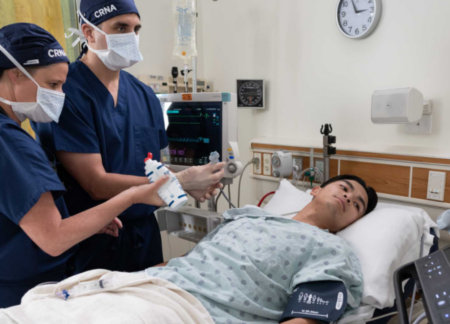
Before surgery, you may receive some medication to help you relax before going into the operating room. Once you are in the operating room, you can expect:
- A review of your information and final safety checks
- Monitors placed to track your heart rate, blood pressure, oxygen levels, and breathing
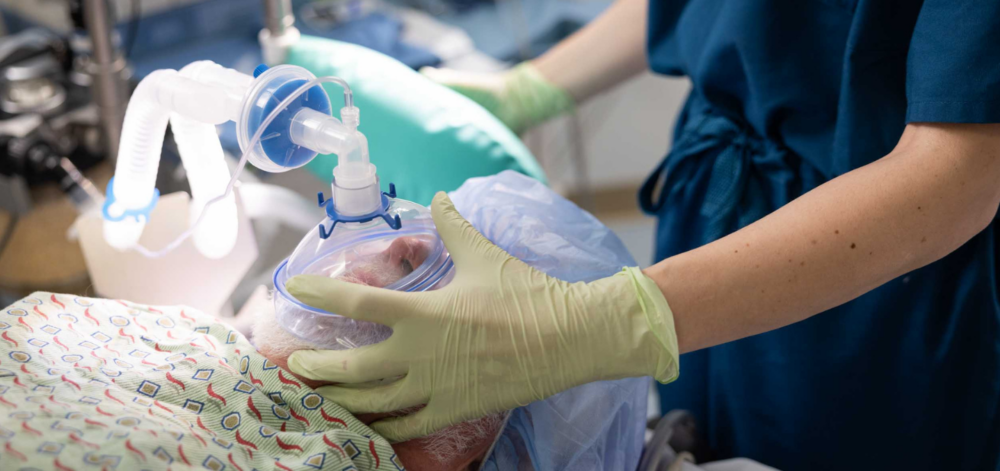
- Oxygen given through a mask to prepare your lungs
- Medication given through your IV to help you fall asleep
Will I need a breathing tube?
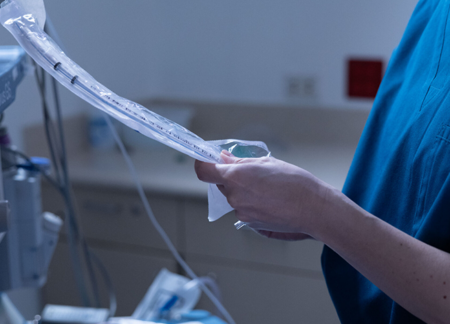
Not everyone who receives general anesthesia needs a breathing tubeA flexible, plastic tube that is placed into the windpipe (trachea) to help keep the airway open and to support breathing. Breathing tubes are inserted during a process called intubation. ; some can breathe on their own with oxygen support. Since anesthesia is completely tailored to the patient, the use of a breathing tube will depend on the type of surgery and your health. If a breathing tube is needed, it is only placed during a process called intubationA process where a breathing tube is placed through your mouth or nose and into your airway. A breathing tube may be placed during general anesthesia to help support breathing. after you are fully asleep. Additionally, other airway devicesDevices that are used to keep the airway open. Some of these devices are invasive, such as breathing tubes, and some are non-invasive, such as masks. Some non-invasive devices can be inserted into the mouth or nose to keep the airway open. , such as a soft airway placed in the nose or mouth, can be used to deliver oxygen.
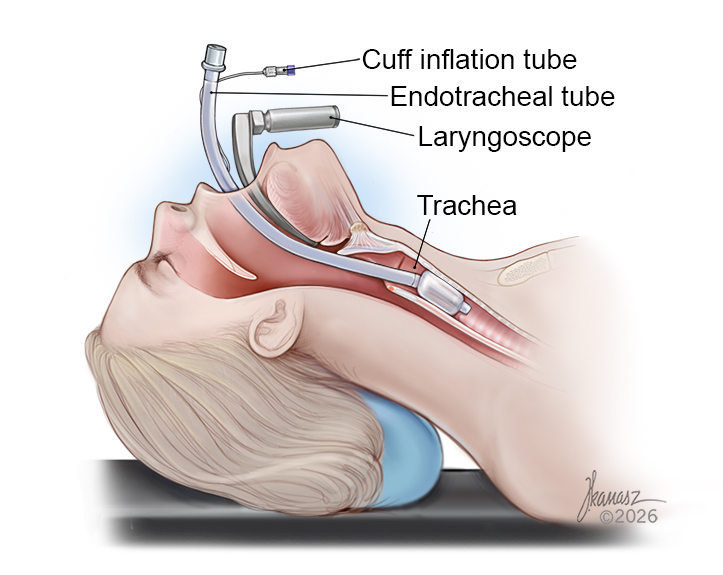
This diagram outlines the process of intubation.
How long does general anesthesia last, and how will I wake up from anesthesia?
General anesthesia lasts for the length of your surgery. Your anesthesia professional carefully controls the medications throughout the procedure and gradually reduces them near the end so you can wake up safely and at the right time.
Once the surgeon has finished the procedure, you will wake up after the breathing tube is removed (if you received one), unless otherwise discussed before your procedure. Your anesthesia professional will carefully monitor and control your heart rate, blood pressure, oxygen, and pain levels, as well as give you additional nausea medications (if necessary) so can recover.
One medication commonly used today is sugammadex, which safely and reliably reverses certain muscle relaxants. This drug has significantly improved recovery compared to older methods.
Following your procedure, you will be transferred to a recovery areaThis is where you will recover from anesthesia immediately after your surgery. for continued monitoring.
What are some important things to remember?
- Anesthesia is very safe due to advances in medication, monitoring technology, and specialized training by anesthesia professionals such as CRNAs.
- Anesthesia care is tailored to each patient.
- Don’t be shy. It’s okay to ask questions prior to the procedure to fully understand your anesthesia care.
- If you’ve previously experienced side effects of anesthesia, such as nausea and vomiting, tell your anesthesia professional. They can provide you with anti-nausea medication to help keep you comfortable and prevent complications.
- If you have a preoperativeBefore surgery diagnosis of chronic pain and are concerned about postoperativeAfter surgery pain, communicate this to your anesthesia professional, particularly if you have been on pain medications for a period of time.
- If you have questions about your anesthesia plan, your CRNA can explain your options and help you understand what to expect before, during, and after your procedure.
Disclaimer: The information on this page is for general educational and informational purposes only and does not constitute medical advice or a recommendation for any specific anesthesia technique, drug, or treatment. Users should consult a qualified medical professional before making any decisions regarding anesthesia care. For complete terms, see our Terms of Use.


Was this helpful?