Anesthesia Medication Safety
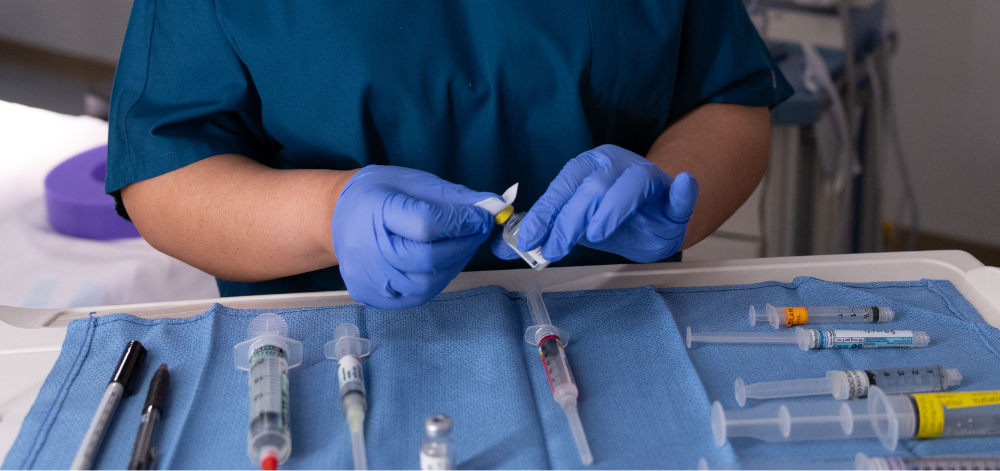

AnesthesiaThe use of medications to temporarily block pain, sensations, and awareness during procedures and surgery. There are many different types of anesthesia that a CRNA can provide. professionals, such as Certified Registered Nurse Anesthetists (CRNAs)Sometimes called a CRNA, nurse anesthesiologist, or nurse anesthetist, these are advanced practice registered nurses (APRN) who specialize in administering anesthesia for surgical, diagnostic, and therapeutic procedures. , safely use a wide range of medications to temporarily block pain, sensations, and sometimes awareness during procedures and surgery. You may also hear CRNAs called nurse anesthesiologists or nurse anesthetists. There are many different types of anesthesia that can be used. To learn more about the different types of anesthesia, read our Anesthesia Essentials articles.
Before your surgery
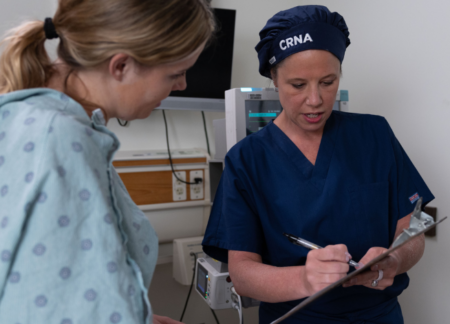
Before your surgery, your anesthesia professional will meet with you to review your medical history and current health. Your anesthesia professional will ask you about:
- Current medications
- Vitamin & supplement use
- Medical conditions
- Substance (drug) use
- Allergies
- Surgical history
- Reactions to anesthesia in the past
- Family history of any anesthesia issues
All of this information will be used to create a safe anesthesia plan just for you.
Prescriptions, over-the-counter medications, supplements, and substances can interact with the medications used in anesthesia. It’s important that you give your provider honest, accurate, and up-to-date information. Learn more about Your Surgery Day and What to Know Before Your Procedure.
Patient identification: Making sure you receive the right medications
Before your surgery, you will be asked to identify yourself many times with your name and date of birth. You will also receive a wristband with your name, date of birth, and other identifying information.
Your anesthesia professional will make an anesthesia plan just for you. Before giving you any medications, your anesthesia provider will verify your identity. That way, they’re giving the right medications to the right person.
Safety checks: How anesthesia professionals verify medications during surgery
Your anesthesia professional is going to do many safety checks to make sure that they are giving medications safely and correctly. This means that they are double- and triple-checking that they have the correct medication, the correct dose, they are giving the correct amount, and they are giving the medication in the right way.
These safety checks happen continuously throughout your surgery. Your anesthesia professional will update your medical record with any medications given during surgery and monitor how you respond to them. They will watch you closely and adjust anesthesia dosages to keep you safe. Learn about Safety in the Operating Room.
After your surgery: monitoring your recovery and medications
After your surgery, you will be transferred to a recovery room or a post-anesthesia care unit (PACU)This is where you will recover from anesthesia immediately after your surgery. . Once there, your anesthesia professional and the recovery room nursesA licensed healthcare professional who practices nursing care. All RNs complete special education and training and are licensed to provide nursing care in their state. will assess your recovery and give additional medications if needed. Your anesthesia professional and surgeon will let you go home when you are recovered and stable. You will be required to have a responsible adult drive you home after surgery. This is because anesthesia medications can affect your ability to drive safely.
Medications are safe when used properly. There are risks to using any medication, like those used in anesthesia. Your anesthesia professional takes many different steps to help make sure that medications are being used as safely as possible.
Learn about What to Expect when You Wake Up.
Disclaimer: The information on this page is for general educational and informational purposes only and does not constitute medical advice or a recommendation for any specific anesthesia technique, drug, or treatment. Users should consult a qualified medical professional before making any decisions regarding anesthesia care. For complete terms, see our Terms of Use.







Was this helpful?