What to Expect when You Wake Up
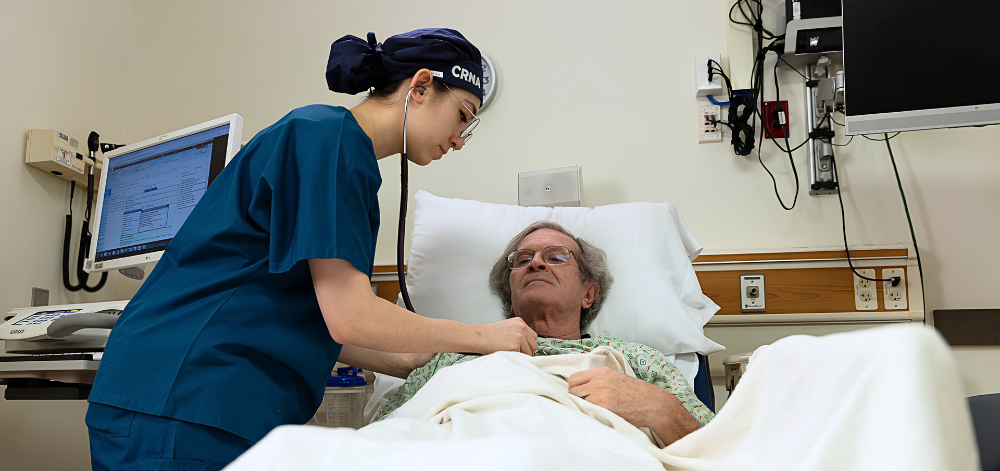

What happens when I wake up from anesthesia?
When you wake up from anesthesiaThe use of medications to temporarily block pain, sensations, and awareness during procedures and surgery. There are many different types of anesthesia that a CRNA can provide. , you’ll be in the operating room or a recovery area, known as a PACU (Post-Anesthesia Care Unit)This is where you will recover from anesthesia immediately after your surgery. . A recovery nurseA licensed healthcare professional who practices nursing care. All RNs complete special education and training and are licensed to provide nursing care in their state. or anesthesia professional, such as a Certified Registered Nurse Anesthetist (CRNA), Sometimes called a CRNA, nurse anesthesiologist, or nurse anesthetist, these are advanced practice registered nurses (APRN) who specialize in administering anesthesia for surgical, diagnostic, and therapeutic procedures. will be with you at all times. You may also hear CRNAs called nurse anesthesiologists or nurse anesthetists. You may still have oxygen, a breathing tubeA flexible, plastic tube that is placed into the windpipe (trachea) to help keep the airway open and to support breathing. Breathing tubes are inserted during a process called intubation. , and/or monitoring equipment still in place. You may also feel groggy, but will quickly become more alert within a few minutes.
What happens in the recovery area?
Once you enter the recovery area, a recovery nurse will monitor you closely. This nurse will receive a hand-off report from the surgical team about how your surgery went and how you’re recovering. The recovery nurse will check your heart rate, blood pressure, oxygen, level, and overall comfort. You will stay in the recovery area until you are fully awake, stable, and comfortable. Most patients typically stay in the recovery area for about 1-2 hours, but some surgeries may require a longer recovery period.
What are common side effects from anesthesia that I might experience?
Common side effects may include:
- Nausea or vomiting
- Sleepiness or grogginess
- Sore throat (if a breathing tube was used)
- Sensitivity around the IVA small tube that is inserted into a vein to deliver liquid medication and fluids directly into the bloodstream. site
- “Brain fog,” which is more common in older adults
While every patient is different and there’s no one-size-fits-all approach to anesthesia, some discomfort is normal. It’s important to remember that most side effects are temporary and manageable with the right medication. Your anesthesia professional is prepared to manage any side effects and keep you comfortable during recovery.
When will I be discharged to go home?
For outpatientHealthcare services that are provided without a formal admission process. These include a wide range of services such as medical screenings, minor surgeries, and certain types of treatment. This care can take place in hospitals, clinics, surgery centers, and doctor's offices. procedures, an anesthesia professional will clear you to go home when:
- Your blood pressure, heart rate, temperature, and oxygen levels are stable
- Any pain is under control
- You can breathe comfortably
- You can drink and tolerate fluids
- You can move around safely
- You can urinate
For more invasiveSurgeries and procedures that enter the body. This is usually by cutting or puncturing the skin, but this can also include inserting instruments into the body. and complex surgeries that take place in a hospital, you may be required to stay at the hospital until you are stable and strong enough to go home. Learn more about Where Surgery Happens.
What post-anesthesia care instructions should I follow at home?
You will receive instructions about how to care for yourself at home after anesthesia. These instructions could include:
- Have someone stay with you to help you get settled at home. Some procedures may require that you have someone with you for the first 24 hours after anesthesia.
- Eat light meals at first (simple foods like soup, salad, and toast)
- Follow your healthcare team’s instructions for activity restrictions
- Don’t drive or make important decisions for at least 24 hours
- Ask your surgeon when it’s safe to return to work
- Some procedures may require you to have restrictions at work. Your surgeon can provide your employer with a note that explains the restrictions and when you can return to work.
Frequently Asked Questions
Common questions about recovery.
How can family members or caregivers help during recovery?
Family or caregivers play an important role in your post-anesthesia care. It’s important to identify someone to help you with the following:
- Listening to post-surgical instructions when discharged
- Providing a ride home from the procedure
- Monitoring for side effects at home
- Providing comfort, meals, and support with medication
- Contacting the provider if anything seems concerning
Learn about Caring for a Loved One at Home after Surgery.
Should I be concerned about complications from anesthesia?
Serious complications are rare. Contact your provider immediately if you are experiencing any complications so they can address them with medication or medical care. Learn more about When to Contact Your Healthcare Team.
What are misconceptions people have about anesthesia?
- “I won’t feel any pain.” Some discomfort is normal, and your anesthesia professional will do their best to help manage it.
- “Anesthesia works the same for everyone.” Anesthesia care is personalized based on your procedure, medical history, and pain management needs.
- “The surgeon does everything.” Your surgery is managed by a team of specialists, and your anesthesia professional will focus on your safety and comfort.
Learn more about common Anesthesia Questions and Fears & Myths.
Disclaimer: The information on this page is for general educational and informational purposes only and does not constitute medical advice or a recommendation for any specific anesthesia technique, drug, or treatment. Users should consult a qualified medical professional before making any decisions regarding anesthesia care. For complete terms, see our Terms of Use.






Was this helpful?