Where Surgery Happens
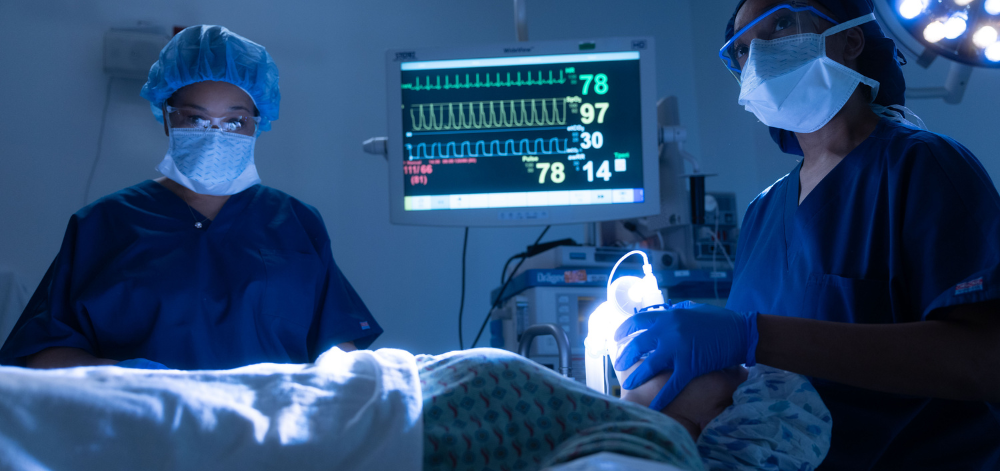

Surgical settings
Surgery or medical procedures may happen in many different settings. These include:
- Hospitals (inpatientHealthcare services that take place inside of a hospital or other type of facility where you are admitted, and require around-the-clock care, monitoring, or treatment. and outpatientHealthcare services that are provided without a formal admission process. These include a wide range of services such as medical screenings, minor surgeries, and certain types of treatment. This care can take place in hospitals, clinics, surgery centers, and doctor's offices. )
- Ambulatory surgical centers Healthcare facilities that provide same-day surgeries, diagnostic procedures, and preventive care. (ASCs; outpatient)
- Medical offices (outpatient)
Each setting is safe when matched to the right patient and procedure. In some instances, you can decide where your surgery is performed. Other times, your choice depends on your insurance plan and where your surgeon is allowed to operate.
Understanding the differences between each surgical location can help you feel more prepared and informed. This article reviews the different surgical settings and the considerations of each option.
Hospitals
Hospitals are medical centers that treat numerous health problems and are best equipped for complex or more invasiveSurgeries and procedures that enter the body. This is usually by cutting or puncturing the skin, but this can also include inserting instruments into the body. surgeries. Hospitals have intensive care units (ICUs)Sometimes called critical care units, these are hospital departments that care for the sickest patients. These are patients with life-threatening illnesses or injuries who often need 1:1 care and constant monitoring. , blood banksThe department in a hospital that prepares and provides a reliable supply of blood products for patients in need. , medical specialists, and emergency teams available 24 hours a day.
Some surgeries require you to stay overnight so your healthcare team can ensure you are healing safely. These are called inpatient surgeries. Some hospitals also have outpatient surgery centers where you’ll have surgery at the hospital and then go home the same day.
Hospitals must follow strict safety rules. Many are accreditedThe process by which an outside organization has inspected the facility to make sure it meets strict safety standards. by national organizations such as:
| Types of Cases | Pros | Cons |
|---|---|---|
| Major or complex surgery; Surgery expected to require an overnight stay; Patients with serious medical conditions; Higher-risk procedures | Full emergency resources available; Specialists nearby if complications occur; Can care for very sick patients; Can provide all types of anesthesia | May have higher costs; Longer wait times; Higher risk of exposure to infections; Larger, busier environment |
Ambulatory surgical centers (ASCs)
ASCs provide same-day surgeries, diagnosticProcedures and exams that are done to identify a disease or condition. procedures, and preventive careRoutine health services that help prevent illness, disease, and other health problems. These services typically include routine visits, immunizations, education, and health screenings. These services are covered 100% by your insurance provider. . ASCs are designed for outpatient procedures where patients go home the same day.
Like hospitals, ASCs must follow strict safety guidelines. Operating rooms have oxygen, emergency supplies and equipment, and sterile Free from microorganisms such as bacteria, viruses, parasites, and fungisurgical instruments. Recovery roomsThis is where you will recover from anesthesia immediately after your surgery. are near the nurses’ station, so patients can be monitored closely.
Many ASCs are accredited by national organizations such as:
- The Joint Commission
- DNV
- ACHC
- Accreditation Association for Ambulatory Health Care (AAAHC)
- American Association for Accreditation of Ambulatory Surgery Facilities
Before surgery, patients are thoroughly screened by their provider to ensure an ASC is an appropriate setting for their procedure. To learn more about ASC safety, read our article on Safety Outside of the Hospital.
| Types of Cases | Pros | Cons |
|---|---|---|
| Planned procedures; Surgeries lasting a few hours or less; Patients who are generally healthy; Procedures that do not require an overnight stay | May have lower costs than hospitals; Go home the same day; Lower risk of exposure to infections; Smaller, calmer environment; Staff who specialize in specific procedures; Can provide all types of anesthesia | Not designed for high-risk patients; Limited ability to handle rare, severe complications; May require transfer to a hospital if unexpected problems occur |
Medical offices
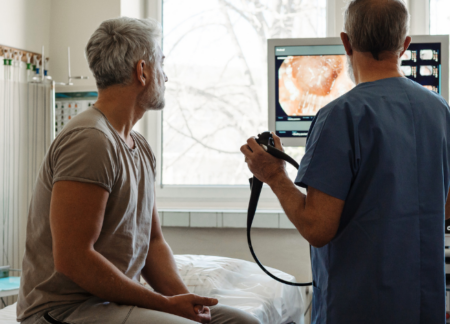
Medical office-based surgery is limited to small, low-risk procedures. These may include minor skin procedures, small cosmetic treatments, and simple biopsiesA medical procedure where a small sample of tissue or cells are removed for further testing. These are used to diagnose disease. .
The safety of these procedures depends on the office’s equipment, staff training, and accreditation status. Some offices choose to become accredited through organizations such as:
- The Joint Commission
- ACHC
- American Association for Accreditation of Ambulatory Surgery Facilities
| Types of Cases | Pros | Cons |
|---|---|---|
| Very minor procedures; Local anesthesia (numbing medicine) and mild sedation; Healthy patients | Convenient location; Lower cost; Familiar setting | Fewer emergency resources; Limited equipment compared to hospitals and ASCs; Not appropriate for complex procedures; Limited pain control and anesthesia options |
The best setting for you
Hospitals, ASCs and medical offices can all provide safe care when used for the right patient and procedure. When deciding the best setting for you, your healthcare team will consider:
- The type and length of surgery
- Your overall health
- Your medical conditions
- Your support at home
- Your insurance coverage
Safety always comes first. Not every patient is a good fit for every setting. If you have questions, ask your surgeon why a certain setting is recommended for you. Understanding your options can help you feel more confident and prepared.
Disclaimer: The information on this page is for general educational and informational purposes only and does not constitute medical advice or a recommendation for any specific anesthesia technique, drug, or treatment. Users should consult a qualified medical professional before making any decisions regarding anesthesia care. For complete terms, see our Terms of Use.



Was this helpful?