Eating and Drinking after Anesthesia

How anesthesia affects the digestive system
AnesthesiaThe use of medications to temporarily block pain, sensations, and awareness during procedures and surgery. There are many different types of anesthesia that a CRNA can provide. affects many different parts of the body, including the digestive system. Remember that there are different types of anesthesia that work in various ways. While every type of anesthesia has the potential to affect the digestive system, this is most likely to occur with general anesthesiaA state of unconsciousness that is caused by medications administered by an anesthesia professional. This form of anesthesia is often used for procedures that would be too painful or uncomfortable to perform while the patient is only sedated or awake. and sedationSometimes called conscious sedation or twilight anesthesia, this is the use of medications to help you feel relaxed and calm, and sometimes fall asleep during your medical procedure..
General anesthesia and some medicines, such as opioidsDrugs that are typically used to control and manage pain. Examples include codeine, morphine, and fentanyl. , used during surgery can slow your digestive system for a short time. This means your stomach takes longer to empty. Because of this, you should eat and drink slowly after anesthesia to reduce the risk of upset stomach, nausea, vomiting, bloating, cramping, and other problems.
Other types of anesthesia, like regional anesthesiaA type of anesthesia that blocks pain in a larger area of the body by numbing a group of nerves and involves techniques such as nerve blocks, epidurals, and spinals. and local anesthesiaA type of anesthesia that numbs a smaller area of the body with numbing medication. , may not affect your digestive system as much. With these types of anesthesia, you may be able to eat normally sooner. The type of surgery you have can also affect your digestive system. Your healthcare team will provide you with specific instructions about eating after your surgery.
Eating and drinking in the recovery room
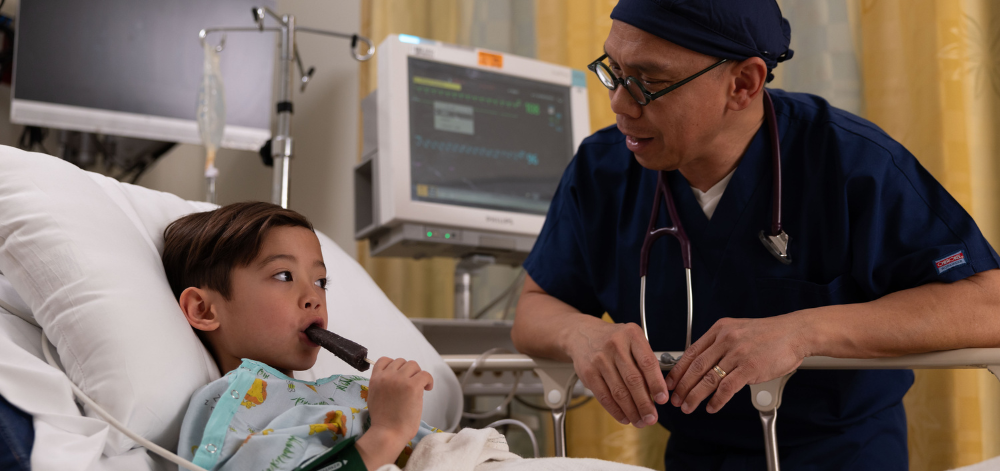
You can usually eat and drink in the recovery roomThis is where you will recover from anesthesia immediately after your surgery. after you wake up from anesthesia. Your recovery nurseA licensed healthcare professional who practices nursing care. All RNs complete special education and training and are licensed to provide nursing care in their state. will give you a small amount of clear liquidsFluids that are see-through. These include water, apple juice, broth, gelatin, clear soda, coffee (no cream), tea, sports drinks, and popsicles. . You might also get small snacks, like crackers.
When you eat and drink for the first time, start small. Take tiny sips of liquid and drink slowly. Your recovery nurse will watch how you respond. If you feel like you might throw up, tell your nurse right away. Different facilities have different rules about eating and drinking after anesthesia. Your healthcare team will tell you exactly what you can eat and drink.
Eating and drinking at home
Before you leave the hospital or surgery centerHealthcare facilities that provide same-day surgeries, diagnostic procedures, and preventive care. , you will receive written aftercare instructions from your healthcare team. Follow these instructions carefully when you get home. Here is what is generally recommended:
- Your healthcare team may suggest starting with full liquidsA diet of liquids or foods that turn into liquid at room temperature. Examples include soup, milk, ice cream, yogurt, pudding, and smoothies. and then moving to other foods if your body handles them well.
- It may be recommended to eat soft foods that are easy to digest.
- Examples include crackers, toast, yogurt, applesauce, mashed potatoes, and soup
- Avoid spicy, greasy, or heavy foods.
If you had general anesthesia, your throat may be sore because of the breathing tubeA flexible, plastic tube that is placed into the windpipe (trachea) to help keep the airway open and to support breathing. Breathing tubes are inserted during a process called intubation. . Stick with soft foods until your throat feels better.
Nausea and vomiting after anesthesia and surgery are common, especially if you had general anesthesia. Here are some tips to prevent an upset stomach:
- Eat small amounts of food
- Chew your food well
- Drink plenty of water throughout the day
- Avoid sugary drinks and caffeine for a few hours
If you are taking opioid pain medicine at home, you might get constipationNot being able to have a bowel movement. This can happen for many reasons including surgery, medicine, or eating too much fat and not enough fiber.. To help prevent this, drink plenty of fluids. If allowed by your healthcare team, you should drink at least 64 oz. of non-alcoholic fluid every day and eat foods that are high in fiber. Examples of high-fiber foods include:
- Beans and legumes
- Bran cereal
- Whole grains
- Oatmeal
- Fresh fruit and vegetables
Your healthcare provider might tell you to take a fiber supplement or laxativeA group of medications that are used to promote bowel movements and soften fecal matter or stool. to help with constipation.
Special considerations
Some surgeries affect your mouth, throat, or digestive system more than others, so you may have special eating and drinking instructions. For example, after a tonsillectomySurgery to remove the tonsils., you may need to eat only liquid and soft foods for a few days. This helps with comfort and healing.
Always follow the instructions your healthcare team gives you.
Frequently Asked Questions
Common questions about eating and drinking after anesthesia.
When can I eat and drink after anesthesia?
It depends on the type of surgery and anesthesia you have. Usually, you can eat and drink in the recovery room once you wake up. Start with small sips of clear liquids and simple foods like crackers. Your facility and healthcare team will give you instructions about eating and drinking at home after anesthesia.
What should I eat and drink at home during my recovery?
Follow the instructions your healthcare team gives you. They may have special instructions based on your surgery and anesthesia. Generally, start with liquids and soft, easy-to-digest foods such as crackers, toast, yogurt, applesauce, mashed potatoes, or soup. You can move on to other foods as your body feels better.
What should I do if I start to feel sick or like I need to vomit?
Feeling sick after anesthesia is common. If you are still in the recovery room, tell your recovery nurse right away. If you are at home, you can help yourself feel better by:
- Taking anti-nausea medicine (antiemeticsMedicines that help relieve nausea and vomiting. ) if prescribed
- Adding food back slowly
- Managing your pain
- Resting and moving slowly
- Drinking plenty of fluids
Learn more about nausea and vomiting after anesthesia.
Disclaimer: The information on this page is for general educational and informational purposes only and does not constitute medical advice or a recommendation for any specific anesthesia technique, drug, or treatment. Users should consult a qualified medical professional before making any decisions regarding anesthesia care. For complete terms, see our Terms of Use.




Was this helpful?