Anesthesia Safety for Older Adults
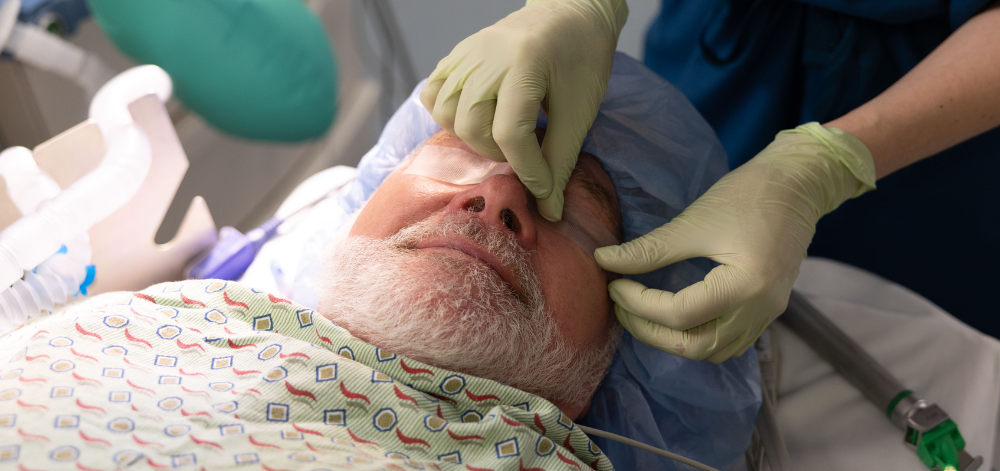

Anesthesia and brain health
As we age, our brains can become more sensitive to anesthesiaThe use of medications to temporarily block pain, sensations, and awareness during procedures and surgery. There are many different types of anesthesia that a CRNA can provide. . Your anesthesia professional, such as a Certified Registered Nurse Anesthetist (CRNA)Sometimes called a CRNA, nurse anesthesiologist, or nurse anesthetist, these are advanced practice registered nurses (APRN) who specialize in administering anesthesia for surgical, diagnostic, and therapeutic procedures. , takes special care to keep older adults, and their brains, safe before, during, and after anesthesia. You may also hear CRNAs called nurse anesthesiologists or nurse anesthetists. While the risk of anesthesia negatively affecting brain health is rare, it’s important to know about these potential side effects to support your safety and recovery.
When older adults have anesthesia, especially general anesthesiaA state of unconsciousness that is caused by medications administered by an anesthesia professional. This form of anesthesia is often used for procedures that would be too painful or uncomfortable to perform while the patient is only sedated or awake., they are at an increased risk for two brain health concerns: postoperativeAfter surgery deliriumA temporary state of confusion, loss of awareness, and behavioral changes. Delirium can be caused by surgery, infection, medications, stress, and illness. and postoperative cognitive dysfunction (POCD).A decline in mental function after surgery. This can include difficulty with thinking, memory, comprehension, and behavior.
What is postoperative delirium?
Postoperative delirium is a state of confusion that can happen after surgery. You might feel confused, disoriented, have trouble paying attention, or not remember things clearly. The good news is that delirium is usually temporary and often goes away within a few days or weeks.
What is postoperative cognitive dysfunction (POCD)?
POCD refers to problems with thinking, concentration, and memory skills. After surgery, some older adults notice it takes longer to remember things or think as clearly as they did before. This type of problem can last longer than delirium, sometimes for months or more
What factors increase your risk of delirium or POCD?
Several things can increase the likelihood of these changes. These include both personal and surgery-related factors:
Personal Factors:
- Older age (older than 65 years old)
- Existing memory or thinking problems
- Poorly controlled conditions such as high blood pressure or diabetes
Surgery-related Factors:
- Longer or more complex procedures
- Intensive care unit (ICU)Sometimes called critical care units, these are hospital departments that care for the sickest patients. These are patients with life-threatening illnesses or injuries who often need 1:1 care and constant monitoring. stay after surgery
What can I do to lower my risk?
many risk factors can be improved before surgery. These include:
- Increasing exercise and activity to help your body and brain
- Managing depression
- Controlling your blood pressure
- Improving your sleep
- Managing your blood sugar, especially if you have diabetes
- Avoiding alcohol and drugs
- Telling your healthcare team about all the medicines you take, as some medications can cause problems
- Treating infections
- Eating a healthy, balanced diet
- Managing pain appropriately after surgery
- Having support from family or friends before and after surgery
Learn about Anesthesia and Memory Loss.
Frequently Asked Questions
Common questions about anesthesia safety for older adults.
How common are confusion and memory problems after surgery?
Among older adults, about 65% experience some confusion right after surgery. About 10% develop longer-lasting memory or thinking problems. While most patients do just fine, it’s something to watch for.
How will my anesthesia professional help prevent delirium or POCD?
Your healthcare team has several strategies to keep your brain safe during and after surgery:
- Personalized anesthesia care: The anesthesia professional will choose the safest type of anesthesia for you, and use the smallest amount necessary to keep you safe and comfortable.
- Close monitoring: Special equipment watches your oxygen levels, blood pressure, and other important signs.
- Pain management: Good pain control after surgery helps prevent confusion.
- Early movement: Encouraging activity as soon as it’s safe.
- Sleep support: Good sleep after surgery is important for your brain to heal.
- Team coordination: Clear communication with your healthcare team.
What medications should I avoid?
Tell your anesthesia professional about all your medications, as some medicines can increase confusion after surgery, including varieties of allergy, sleep, and anti-anxiety medications. Your healthcare provider may adjust your medications before surgery to help keep you safe.
What should I watch for after surgery?
It’s normal to feel a little confused or sleepy for a short time after anesthesia. Contact your healthcare team right away if you or a loved one:
- Becomes very confused or can’t pay attention
- Does not recognize people or places
- Has trouble remembering recent events
- Feels unusually agitated or restless
- Has trouble thinking clearly days after surgery
How can I help as a caregiver?
If you are helping care for an older adult having surgery:
- Ask the healthcare team about risks and prevention strategies
- Help orient your loved one or friend to time, place and surroundings
- Watch for changes in memory, mood and behavior
- Encourage movement, good sleep and pain management
- Stay in touch with the healthcare team about how your loved one or friend is doing
Sources
Berger, Miles MD, PhD*; Schenning, Katie J. MD, MPH†; Brown, Charles H. IV MD, MHS‡; Deiner, Stacie G. MD§; Whittington, Robert A. MD‖; Eckenhoff, Roderic G. MD¶. Best Practices for Postoperative Brain Health: Recommendations From the Fifth International Perioperative Neurotoxicity Working Group. Anesthesia & Analgesia 127(6):p 1406-1413, December 2018. | DOI: 10.1213/ANE.0000000000003841
Peden, Carol J., et al. “Improving perioperative brain health: an expert consensus review of key actions for the perioperative care team.” British Journal of Anesthesia 126.2 (2021): 423-432.
Scharp, Danielle, et al. “Perioperative Best Practices and Delirium in Patients With Cognitive Impairment.” JAMA Network Open 9.3 (2026): e261515.
Strøm, Camilla, L. S. Rasmussen, and F. E. Sieber. “Should general anesthesia be avoided in the elderly?.” Anesthesia 69 (2014): 35-44.
Vacas, Susana, Daniel J. Cole, and Maxime Cannesson. “Cognitive decline associated with anesthesia and surgery in older patients.” Jama 326.9 (2021): 863-864.
Disclaimer: The information on this page is for general educational and informational purposes only and does not constitute medical advice or a recommendation for any specific anesthesia technique, drug, or treatment. Users should consult a qualified medical professional before making any decisions regarding anesthesia care. For complete terms, see our Terms of Use.




Was this helpful?