Keeping Children Safe during Anesthesia
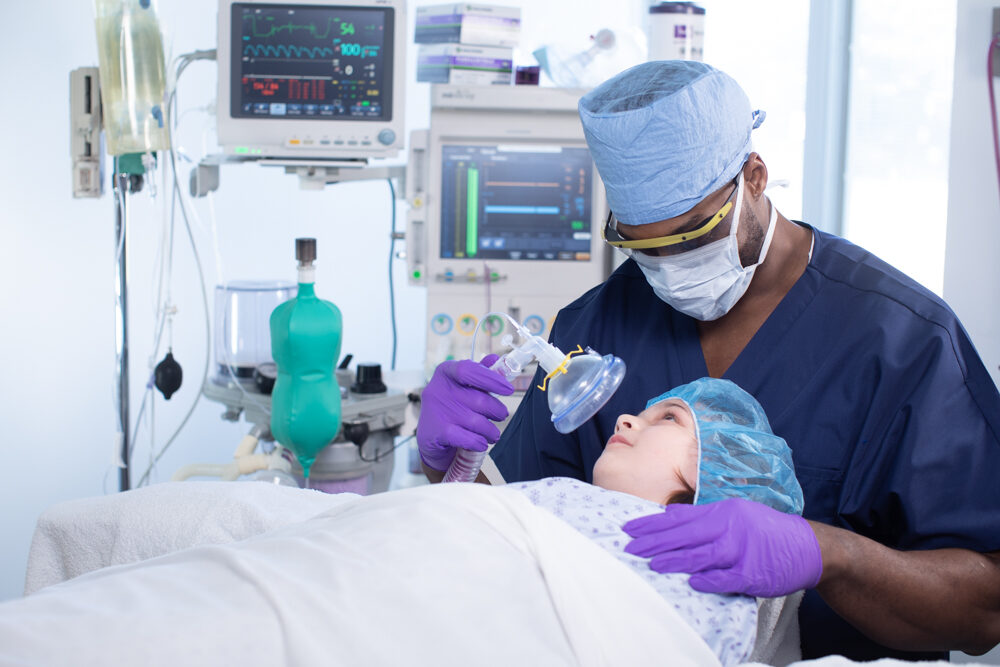

Is anesthesia safe for children?
Yes, anesthesiaThe use of medications to temporarily block pain, sensations, and awareness during procedures and surgery. There are many different types of anesthesia that a CRNA can provide. is very safe for children when given by trained anesthesia professionals, such as Certified Registered Nurse Anesthetists (CRNAs)Sometimes called a CRNA, nurse anesthesiologist, or nurse anesthetist, these are advanced practice registered nurses (APRN) who specialize in administering anesthesia for surgical, diagnostic, and therapeutic procedures. . You may also hear CRNAs called nurse anesthesiologists or nurse anesthetists. In fact, negative side effects and complications among children are very rare. Large medical studies looked at thousands of children who received anesthesia and found that only about 1 out of every 10,000 children had a serious problem from the anesthesia. This means anesthesia is more than 99.99% safe for healthy children (De Bruin et al., 2015; Gonzalez et al., 2012; Hauser et al., 2023).
Some children have a higher risk of problems during anesthesia. These children include:
- Babies less than 1 year old
- Children with serious health conditions
- Children having heart surgery or emergency surgery
If your child falls into any of these groups, it is important to talk with your anesthesia professional before surgery. They can explain your child’s anesthesia plan, discuss any potential risks, and answer your questions.
How anesthesia professionals keep children safe during surgery
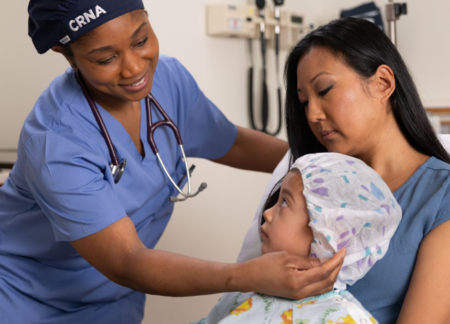
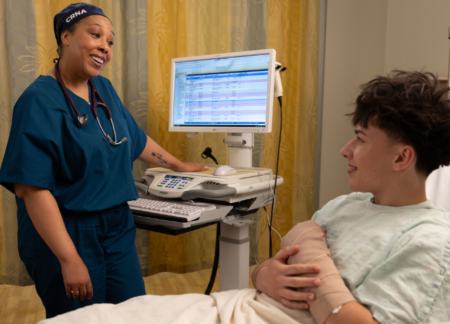
Anesthesia professionals receive special training to care for children. Your child’s healthcare team will treat your child with the highest level of care and attention. To keep children safe, anesthesia professionals take important steps like:
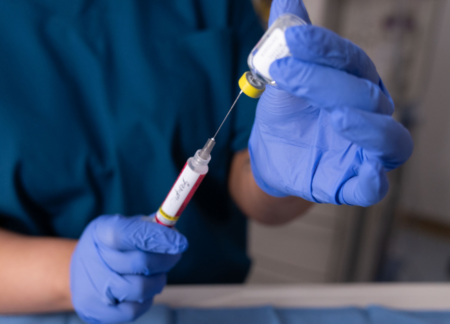
- Measuring medication amounts based on each child’s weight
- Using equipment that fits the child’s size
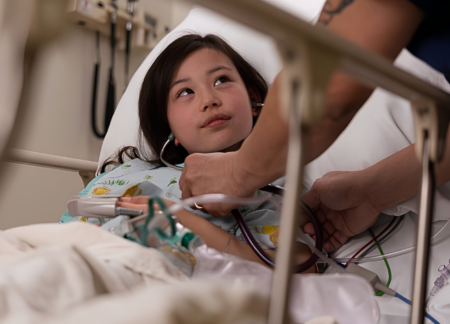
- Continuously monitoring breathing, heart rate, blood pressure, and oxygen levels and adjusting anesthesia as needed
- Having emergency medicines ready if needed
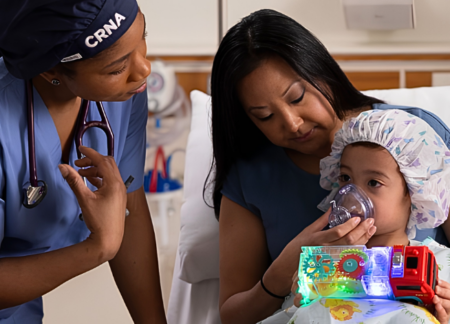
- Talking with parents and guardians about what is happening before, during, and after surgery
Can anesthesia affect child development?
Anesthesia professionals care deeply about protecting children’s developing brains and nervous systems.
Recent research on real children shows that even kids who have had anesthesia multiple times usually grow up normally. The best scientific information we have today shows that children who receive anesthesia once for a short period of time have very little risk to their developing brain or nervous system (Atarwal et al., 2026).
Other research from The United States Food and Drug Administration (FDA) has warned that long or repeated use of anesthesia might affect how a child’s brain develops, especially in children under 3 years old. However, this warning came from studies done on animals, not people.
How can I help keep my child safe before, during, and after surgery?
You play an essential role in your child’s safety because you know them better than anyone else. Carefully following your child’s pre-procedure instructions is one of the best ways to keep them safe. These include steps such as:
- Following the eating and drinking instructions
- Giving medicines as directed
- Having your child bathe the night before their procedure
Read about Preparing Your Child for Surgery.
During your child’s surgery, you should stay nearby and available for updates, questions, and information.
After surgery, you must follow all the instructions for recovery. This includes going to follow-up appointments, managing your child’s pain per your provider’s instructions, and giving any prescribed medications as directed. Your healthcare team believes in family-centered care, which means you are an important part of your child’s medical team.
Disclaimer: The information on this page is for general educational and informational purposes only and does not constitute medical advice or a recommendation for any specific anesthesia technique, drug, or treatment. Users should consult a qualified medical professional before making any decisions regarding anesthesia care. For complete terms, see our Terms of Use.



Was this helpful?