About CRNAs


Who are CRNAs?
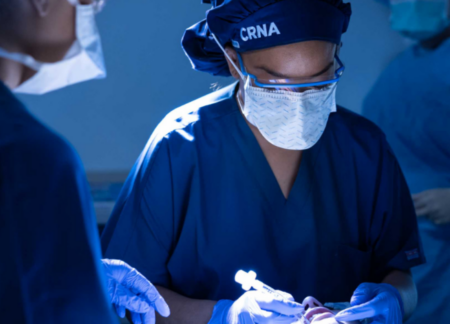
A Certified Registered Nurse Anesthetist (CRNA)Sometimes called a CRNA, nurse anesthesiologist, or nurse anesthetist, these are advanced practice registered nurses (APRN) who specialize in administering anesthesia for surgical, diagnostic, and therapeutic procedures. is an advanced practice registered nurseRegistered Nurses (RNs) who have a Master’s or Doctoral degree in nursing and special certification. These nurses can treat and manage patient problems, prescribe medications, and order tests. who specializes in anesthesiaThe use of medications to temporarily block pain, sensations, and awareness during procedures and surgery. There are many different types of anesthesia that a CRNA can provide. care. CRNAs have special education and training that allows them to give anesthesia safely. They take care of patients before, during, and after surgeries and medical procedures. You may also hear CRNAs called nurse anesthesiologists or nurse anesthetists.
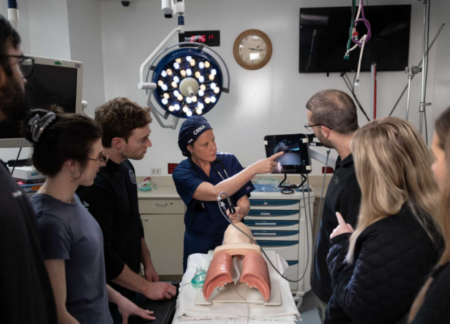
CRNAs/nurse anesthesiologists are nurses. To become a CRNA, an individual must:
- Earn a baccalaureate or graduate degree in nursing or other approved baccalaureate program
- Be a licensed registered nurse (RN)A licensed healthcare professional who practices nursing care. All RNs complete special education and training and are licensed to provide nursing care in their state.
- Have at least 1 year experience working as a nurse in a critical care setting, such as an intensive care unitSometimes called critical care units, these are hospital departments that care for the sickest patients. These are patients with life-threatening illnesses or injuries who often need 1:1 care and constant monitoring.
- Complete an accredited nurse anesthesia program
Today, these doctoral programs generally take about 3-4 years, and result in a Doctor of Nurse Practice (DNP) or Doctor of Nurse Anesthesia Practice (DNAP) degree. Graduates must then pass the National Certification ExaminationThis exam measures the knowledge, skills and abilities necessary for entry-level nurse anesthesia practitioners. to become certified as a CRNA.
Did you know?
CRNAs are the main providers of anesthesia care for U.S. military members. They care for patients on the front lines, on Navy ships, and with aircraft evacuation teams around the world.
Where do CRNAs work?
CRNAs work in many types of healthcare settings, including:
- Hospitals
- Labor & deliveryThe process of childbirth where the body prepares for birth (labor) through uterine contractions and cervical dilation (opening) and the baby is born (delivery). units
- Outpatient surgery centers
- Emergency rooms
- Dental offices
- Medical offices
- Pain management clinics
Did you know?
CRNAs provide more than 80% of anesthesia care in rural U.S. counties and over 50% of anesthesia care nationwide.
What do CRNAs do?
CRNAs provide anesthesia care in many healthcare settings. Here are a few examples of what a CRNA may do during your visit:
Before Your Visit:
- Review your medical history and current health
- Create a safe anesthesia plan just for you
- Explain anesthesia options and answer your questions
During Your Visit:
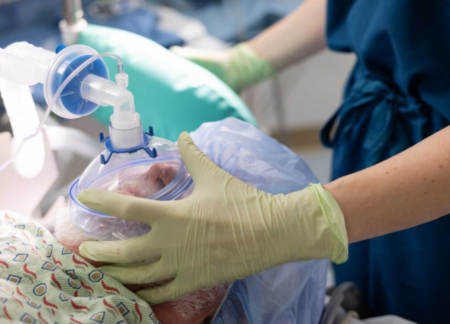
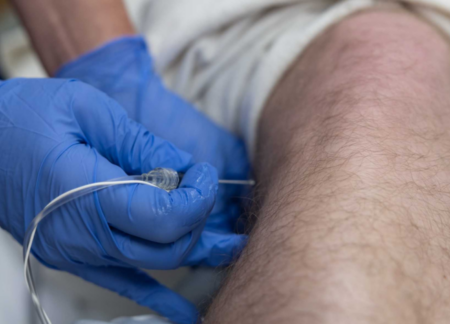
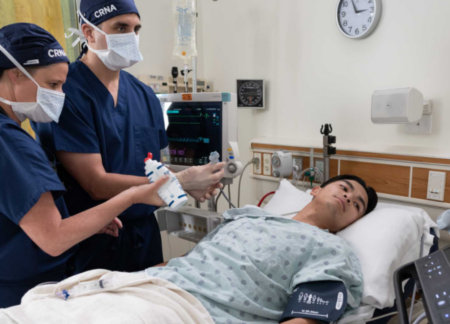
- Give you anesthesia for your procedure
- Help control pain and keep you comfortable
- Monitor your breathing, heart rate, blood pressure, and oxygen levels
- Adjust anesthesia as needed to keep you safe
After Your Visit:
- Monitor your recovery after the procedure
- Make sure it is safe for you to leave the recovery areaThis is where you will recover from anesthesia immediately after your surgery.
CRNAs support you and keep you informed throughout your visit. Each year, CRNAs safely give more than 58.5 million anesthetics. They are also among the most trusted healthcare professionals in the nation according to an annual Gallup Poll.
Learn more about CRNA Education and Training and CRNA Frequently Asked Questions.
Disclaimer: The information on this page is for general educational and informational purposes only and does not constitute medical advice or a recommendation for any specific anesthesia technique, drug, or treatment. Users should consult a qualified medical professional before making any decisions regarding anesthesia care. For complete terms, see our Terms of Use.



Was this helpful?