Marijuana and Anesthesia
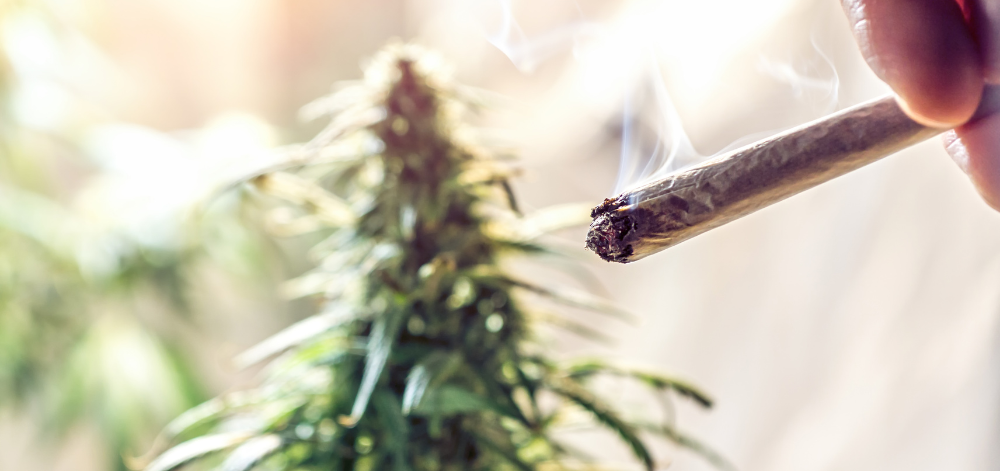

Marijuana (cannabis) use, both medical and recreational, can impact the safety of surgery and anesthesiaThe use of medications to temporarily block pain, sensations, and awareness during procedures and surgery. There are many different types of anesthesia that a CRNA can provide. . Other popular slang words for marijuana include:
- Weed
- Pot
- Ganja
- Reefer
- Grass
- Dope
More people are using marijuana than ever before. According to the Substance Abuse and Mental Health Services Administration, the percentage of people in the United States who say that they use or have used marijuana has increased 65.2% between 2015 and 2024. Many people think marijuana is safer than other drugs. But marijuana use has real concerns and side effects that can cause problems during and after surgery and anesthesia.
What is marijuana?
Marijuana, or cannabis, is a drug that comes from plants called Cannabis sativa, indica, or ruderalis. These plants have chemicals that change how your brain and body work. Two of the most common chemicals in marijuana are THC and CBD.
- THC: The psychoactiveChemicals that alter brain function. chemical that makes you feel “high” when you use marijuana. THC can make you feel relaxed and happy. It can also change how you see and hear things, make it hard to move smoothly, and in large amounts, can cause worry, fear, and seeing things that aren’t real.
- CBD: This chemical is similar to THC, but it does NOT make you feel “high.” Some people say that CBD products help them relax, sleep better, and feel less pain.
Even in states where recreational marijuana use is illegal, products that contain hemp, CBD, and other forms of THC (like Delta 9 for example) may still be legally purchased. All of these products are often considered “marijuana” and carry similar risks.
Marijuana can be smoked, vaped (breathed in as a vapor), or eaten. All ways of using marijuana have health concerns.
Marijuana and the body
Marijuana affects many different parts of the body. These include:
- Brain: Marijuana directly affects the part of your brain that controls memory, focus, decision-making, balance, feelings, and how fast you react to things. Using marijuana a lot, especially when you’re young, can hurt your short-term memory, focus, and even lower your IQ (how smart you are).
- Lungs: Smoking or vaping marijuana can cause airway inflammation, coughing, and damage your lung tissue. Smoking and vaping can cause scarring and damage the tiny blood vessels in your lungs.
- Heart: Marijuana can make your heart beat faster and raise your blood pressure. This increases your risk for heart attacks and strokes. Frequent and heavy use increases the risk of these concerns.
- Mental Health: Many people think marijuana is not addictive, but that’s not true. According to the Centers for Disease Control and Prevention, about 1 out of every 10 adults who use marijuana can become addicted to it (2024). Marijuana use has also been linked to anxiety, depression, and schizophrenia (a serious mental health condition). Learn about Addiction and Anesthesia.
Frequently Asked Questions
Common questions about marijuana and anesthesia.
Can I use marijuana before surgery?
No. You should stop using marijuana at least 72 hours (3 days) before surgery. The sooner you stop, the better. This is because marijuana can change how your body responds to surgery and anesthesia. Even products that contain CBD may interact with anesthesia, so it is important to stop using these products before surgery.
Does marijuana affect anesthesia?
Yes. All forms of marijuana can affect the safety of surgery and anesthesia, especially if you use it a lot. If you use marijuana regularly, you might:
- Need more anesthesia during surgery to keep you asleep or sedatedSometimes called conscious sedation or twilight anesthesia, this is the use of medications to help you feel relaxed and calm, and sometimes fall asleep during your medical procedure..
- Need more pain medicine (opioidsDrugs that are typically used to control and manage pain. Examples include codeine, morphine, and fentanyl. ) after surgery.
Depending on if you eat or inhale marijuana, you may have heart and lung issues, such as breathing problems, coughing, high blood pressure, and a fast heart rate during and after anesthesia.
What should you do if you use marijuana?
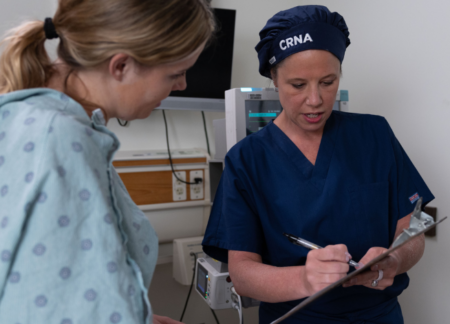
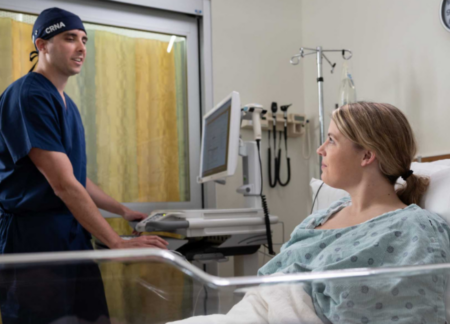
Tell your anesthesia professional, such as a Certified Registered Nurse Anesthetist (CRNA)Sometimes called a CRNA, nurse anesthesiologist, or nurse anesthetist, these are advanced practice registered nurses (APRN) who specialize in administering anesthesia for surgical, diagnostic, and therapeutic procedures. , how much marijuana you use, how often you use it, and what form you use (smoking, vaping, or eating). You may also hear CRNAs called nurse anesthesiologists or nurse anesthetists. You should also tell your anesthesia professional if you use any products that contain CBD, hemp, or other forms of THC (like Delta 9, for example). This information helps them create a safe anesthesia plan.
Can I use marijuana after my surgery?
No. It is recommended that you do not use marijuana for at least 2-4 weeks after surgery. This is because marijuana may not mix well with the medicines used during anesthesia and pain medicine after surgery.
What about medical marijuana?
Many types of medical marijuana still have THC in them and need to be considered in your anesthesia plan. Any marijuana or cannabis product with THC changes your body, even if a doctor prescribed it for medicine.
If you take a medicine that has cannabinoidsCompounds that are found in the cannabis plant and in synthetic (lab-made) products. These compounds act directly on cannabinoid receptors in the body to cause a variety of effects. The most common cannabinoids are THC and CBD. in it (like Epidolex®), you need to tell your surgeon and anesthesia professional. The same goes for CBD products and THC-like products (like Delta-9). Many of these products are not controlled by the government and might still have THC in them.
Don't be afraid about telling your healthcare team
Talking about drug use can feel scary or embarrassing. But your healthcare team is there to listen without judging you. The information you share is protected health information. It will not be shared with law enforcement. Tell your anesthesia professional about:
- Any marijuana or cannabis products you use, and how often you use them
- CBD products
- Hemp products
- Any THC-like products
Thinking of quitting? Need help?
If you or a loved one is struggling with drug use, help is available.
You can call or text 988 to reach the 988 Lifeline. This service is free and available 24/7.
You can also call the free, confidential helpline from the Substance Abuse and Mental Health Services Administration (SAMHSA) at 1-800-662-HELP (4357).
Both services are available 24 hours a day, 365 days a year, in English and Spanish.
You can also find treatment options at FindTreatment.gov.
Disclaimer: The information on this page is for general educational and informational purposes only and does not constitute medical advice or a recommendation for any specific anesthesia technique, drug, or treatment. Users should consult a qualified medical professional before making any decisions regarding anesthesia care. For complete terms, see our Terms of Use.
Was this helpful?