What to Expect after a C-Section
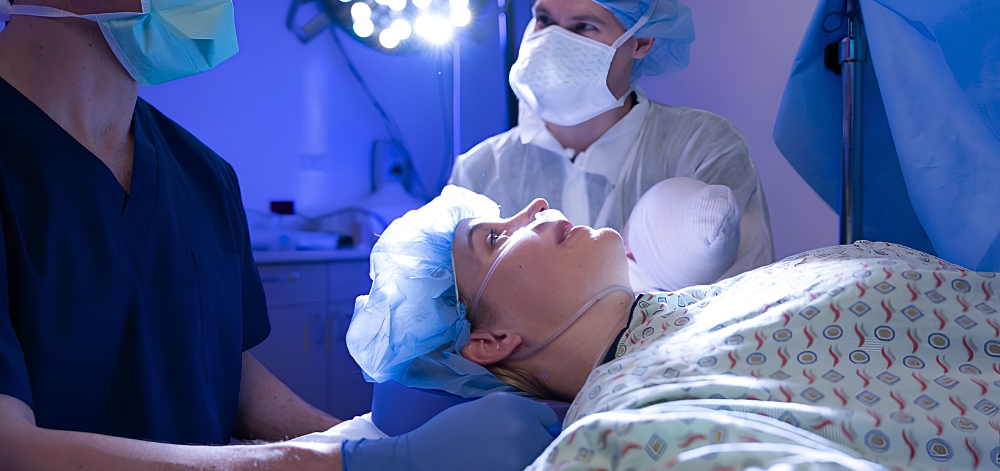

What happens immediately after delivery?
Once your baby is born, your doctor will remove the placentaAn organ that develops during pregnancy that allows the developing fetus to receive oxygen and nutrients and remove waste products. The placenta develops inside of the uterus and connects to the fetus through the umbilical cord. and carefully close the incisionA cut through the skin and tissue that is needed to perform surgery. Not every surgery requires an incision. The opening is usually "closed up" with stitches or staples after the surgery. in your uterusCommonly called the “womb,” this is a muscular organ in the female reproductive system that is responsible for menstruation (the period), growth and development of a pregnancy, and the delivery a baby. and abdomenSometimes called the “belly” or “core,” this is the part of the body below the chest and above the pelvis. . If you received a spinalSometimes called a “spinal block,” this is an injection of numbing medication into the spinal fluid that numbs the body from the waist down. or epiduralAn injection of numbing medication into the epidural space that blocks pian signals from specific nerves. Epidurals can be given as a single injection, or with a catheter (tubing) that stays in place to continuously give medication. , you will remain numb during this part of the surgery and should not feel pain. You may notice some pressure or tugging.
Throughout your C-sectionSometimes called a C-Section, this is a surgery where incisions (cuts) are made first into the abdomen, and then the layers of the uterus. From there, the baby and the umbilical cord and placenta are removed. , your anesthesiaThe use of medications to temporarily block pain, sensations, and awareness during procedures and surgery. There are many different types of anesthesia that a CRNA can provide. professional, such as a Certified Registered Nurse Anesthetist (CRNA)Sometimes called a CRNA, nurse anesthesiologist, or nurse anesthetist, these are advanced practice registered nurses (APRN) who specialize in administering anesthesia for surgical, diagnostic, and therapeutic procedures. , will remain at your bedside, continuously monitoring your comfort, blood pressure, heart rate, breathing, and oxygen levels. You may also hear CRNAs called nurse anesthesiologists or nurse anesthetists. If you begin to feel pain, nausea, or anxiety at any point, let your anesthesia professional know right away so they can adjust your medications to help keep you comfortable. Learn more about Anesthesia Options during Labor and Anesthesia Safety during Labor and Delivery.
If appropriate, skin-to-skin contact is encouraged throughout the recovery process. Holding your baby skin-to-skin can help regulate your baby’s temperature, heart rate, and breathing. This also promotes bonding and supports breastfeeding. After your surgery is complete, you will be taken to a recovery areaThis is where you will recover from anesthesia immediately after your surgery. where your obstetric team will continue to monitor you as the anesthesia begins to wear off.
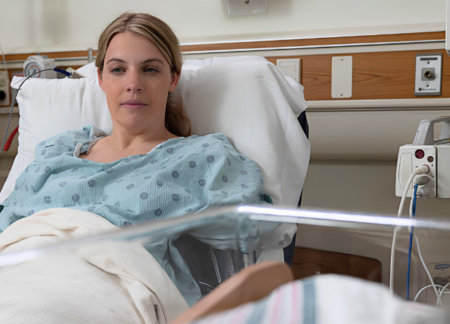
What happens in the first few hours?
Over the next few hours, your obstetric team will:
- Check your blood pressure, heart rate, breathing, and temperature.
- Monitor the amount of vaginal bleeding.
- Feel your uterus through your abdomen to make sure it is firm and shrinking as expected.
- Check your incision for bleeding or swelling.
- Help you begin breastfeeding or skin-to-skin contact, if you choose.
- Encourage you to start walking a little bit at a time once it is safe to do so. Walking helps promote blood flow and prevents blood clots.
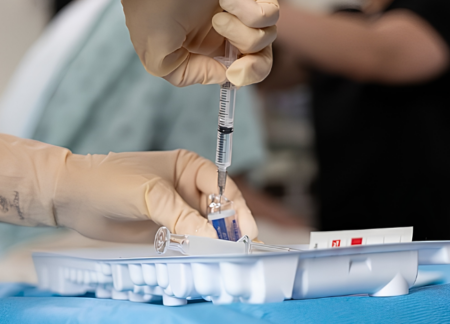
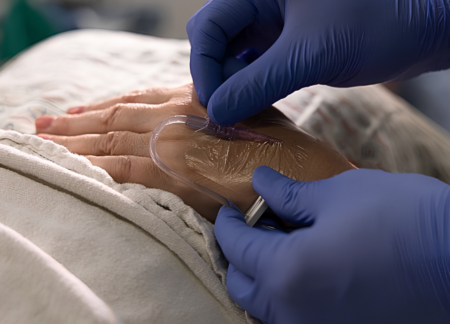
- Give you medications to help your recovery. These include pain medications such as ibuprofen (Advil®) and acetaminophen (Tylenol®), stronger pain medication if needed, stool softeners, and medications to prevent and manage nausea.
Even if you did not deliver your baby vaginally, you will still experience vaginal bleeding after a C-section as your uterus heals. Your nurseA licensed healthcare professional who practices nursing care. All RNs complete special education and training and are licensed to provide nursing care in their state. will provide absorbent underwear and large menstrual pads while you recover.
If you had a urinary catheterA flexible tube inserted into the bladder that continuously empties out urine into a bag. placed before surgery, it is usually removed once the anesthesia has worn off and you are able to get safely out of bed. Your obstetric team will help you the first time you stand, as you may feel weak, sore, or lightheaded.
Recovery Tip: Holding a pillow over your incision when you cough, laugh, or stand up can help reduce discomfort during the first few days after surgery.
What happens during the first few days?
Most people stay in the hospital for two to four days after a C-section. If you or your baby need extra care, your hospital stay may be longer.
As your uterus starts to go back to its normal size and your body starts to heal, it is normal to experience:
- Vaginal bleeding that becomes lighter (in color and amount) over several weeks
- Cramping as your uterus returns to its normal size
- Pain, soreness, or numbness around your incision
- Difficulty moving comfortably when standing, coughing, laughing, or changing positions
- Fatigue as your body recovers from labor and adjusts to caring for a newborn
Learn more about Managing Pain after Childbirth.
Mood changes after delivery
| Baby blues | Postpartum depression |
|---|---|
| Begins within the first 2 to 3 days | Begins within the first few weeks after birth, but can develop during pregnancy or in the first year |
| Mood swings, crying spells, anxiety, difficulty sleeping | Depressed mood, difficulty bonding with the baby, loss of appetite, crying too much, feelings of hopelessness |
| Lasts only a few days to about 2 weeks | Can last for months, or longer |
When should I contact my obstetric provider?
If you have any of the following symptoms, call your healthcare provider or call 911 right away.
- Heavy vaginal bleeding that soaks through a pad in an hour
- Fever of 100.4°F (38°C) or higher
- Redness, swelling, or drainage from your incision
- Severe pain that is getting worse instead of better
- Chest pain, difficulty breathing, or pain and swelling in one leg
- Feelings of sadness or hopelessness that make it difficult to care for yourself or your baby (signs of postpartum depressionA mental health disorder that develops after childbirth. Symptoms include intense feelings of sadness, anxiety, loss of motivation, and difficulty bonding with the newborn baby. )
Learn more about When to Contact Your Healthcare Team.
Frequently Asked Questions
Common questions about what to expect after a C-section.
Why do I still feel numb after my C-section?
If you had a spinal or epidural, it is normal for your legs to remain numb or weak for a few hours after surgery. Your obstetric team will help you move safely until the medication wears off.
Is it normal to feel shaking after a C-section?
Yes. Shivering or shaking is common after a C-section, even if you are not cold. It can happen because of the anesthesia, medications, or changes in your body after delivery. It usually goes away on its own.
Will I feel pain while my C-section is being finished?
You should not feel pain during surgery if your spinal or epidural is working properly. However, it is normal to feel pressure, pulling, or tugging as your baby is delivered and while your doctor closes the incision. Some people do feel some discomfort, but this should not be painful. Tell your anesthesia professional immediately if you feel pain.
Why is it important to start walking after my C-section?
Walking as soon as it is safe helps improve circulation, reduce the risk of blood clots, wake up your bowels after surgery, and support your recovery. Your obstetric team will help you the first time you get out of bed.
Will I still need pain medication after a C-section?
Yes. A C-section is major abdominal surgery, so some pain is expected. Your obstetric provider will often use several types of pain relief, including acetaminophen (Tylenol®), ibuprofen (Advil®), and, if needed, stronger pain medication. Using multiple medications together can improve pain control while reducing the amount of opioidDrugs that are typically used to control and manage pain. Examples include codeine, morphine, and fentanyl. medication you may need.
Can I breastfeed after receiving anesthesia?
Yes. In most cases, it is safe to breastfeed soon after a C-section. The medications used for spinal or epidural anesthesia pass into breast milk in very small amounts and are considered safe for breastfeeding. Your obstetric team can help you begin breastfeeding when you and your baby are ready.
Why do I still have vaginal bleeding after a C-section?
Even though your baby was delivered through an incision, your uterus still sheds blood and tissue as it heals. This bleeding is a normal part of recovery and usually becomes lighter over several weeks.
When should I call my obstetric provider after a C-section?
Call your obstetric provider right away if you have:
- Heavy vaginal bleeding that soaks through a pad in an hour
- Fever of 100.4°F (38°C) or higher
- Redness, swelling, or drainage from your incision
- Severe pain that is getting worse instead of better
- Chest pain, difficulty breathing, or pain and swelling in one leg
- Feelings of sadness or hopelessness that make it difficult to care for yourself or your baby
Disclaimer: The information on this page is for general educational and informational purposes only and does not constitute medical advice or a recommendation for any specific anesthesia technique, drug, or treatment. Users should consult a qualified medical professional before making any decisions regarding anesthesia care. For complete terms, see our Terms of Use.



Was this helpful?