Drug-Free Pain Control

Heat and cold therapy
Applying heat or cold can be a simple, effective, and often inexpensive way to relieve pain. Make sure you discuss using these methods with your healthcare team since heat and cold therapy may not be safe options for everyone.
- Heat therapy can relieve tight muscles and pain. Heat also increases blood flow to the affected area. This helps healing, as blood carries oxygen and helps an injury heal. Examples include a heating pad, a warm towel, or a warm bath. Do not apply heat to areas that are swollen or inflamed.The body’s immune response to infections, toxins, and injury. Inflammation may cause pain, redness, swelling, and heat in the affected area.
- Cold therapy helps most during the first 1 to 2 days after an injury or a procedure. Ice decreases swelling, inflammation, and can numb painful areas. Unlike heat therapy, cold therapy decreases the blood flow to the affected area and can make healing more difficult. Examples include an ice pack or wrapping ice in a towel.
Aromatherapy
Some scents do more than just smell nice. Many scents come from plants and can help with pain relief and other concerns. These are called essential oils. Certain scents can reduce stress and anxiety and increase tolerance to pain. Some examples of essential oils and how they help are:
- Lavender: Can reduce pain and anxiety, help with nausea and dizziness, improve sleep
- Eucalyptus: Can reduce pain and blood pressure
- Peppermint: Can help with nausea and vomiting
It is important to remember that not all essential oils can be helpful or work for everyone. Purchase essential oils from a reputable company and use them as directed. Additionally, make sure that you are using essential oils correctly. The first step is to check with your healthcare team before using essential oils. Many oils can be used by inhaling the scent or on the skin:
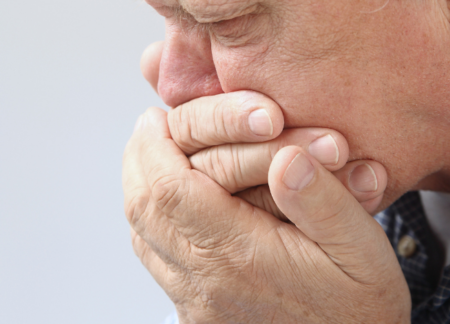
- Try putting a drop of essential oils in your hands, rub them together, and cup your hands around your nose, and breathe deeply.
- Some oils can be rubbed onto the skin. It is best to use a carrier oil (another oil, such as coconut, almond, jojoba, etc.) to dilute the essential oil.
- Essential oils should not be eaten, drank, or mixed with medications.
Sleep and rest
Good sleep is a part of pain management. When you sleep, your body is actively healing itself. During the deeper stages of sleep, blood flow increases to the body and your immune systemThe body's defense network, made of cells, tissues, and organs that protect you from harmful invaders like bacteria, viruses, and fungi. works harder. It can be hard after an injury or a procedure to get a good night’s sleep. Use aids to help, such as using pillows to get you in a better position, and ensure the room is cool and dark.
Movement and activity
While rest is important for healing, recovery is a long process. Moving your body improves blood flow and can help prevent dangerous problems, like pneumoniaAn infection of one or both lungs. This infection can lead to inflammation and difficulty breathing. and blood clots.
- Certain types of yoga can improve how well your body works and can help with relaxation.
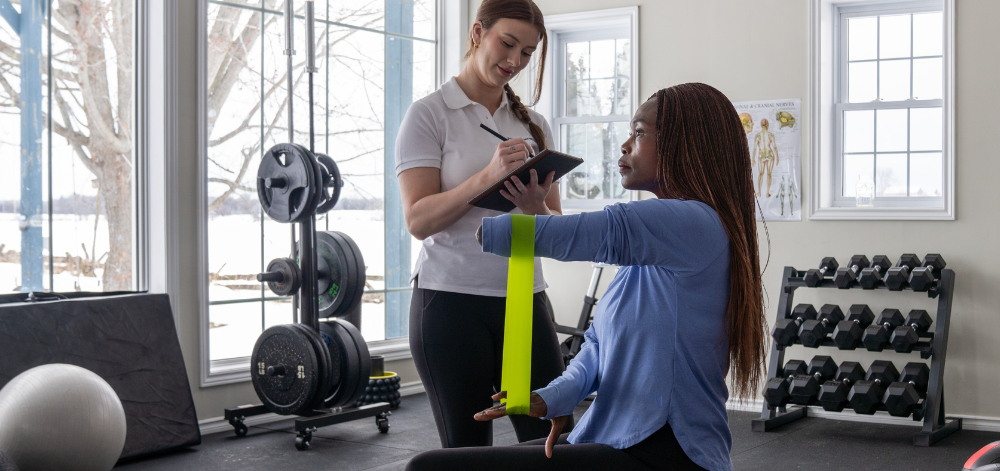
- Physical therapy focuses on helping people heal after an injury or procedure. Physical therapists use special stretches and movements to help the body work its best.
- Walking is a simple, free, and effective way to get your blood moving. This doesn’t need to be a speed walk around the block, but often just walking around the house. Learn more about returning to normal activities after surgery.
- Mobility and range-of-motion exercises are often done in physical therapy and can help strengthen your muscles and improve flexibility.
- Swimming is a low-impact exercise with big benefits, but it is good to wait until all wounds are fully healed before entering a pool.
Speak with your healthcare team before starting any type of movement or activity program. Make sure to listen to your body. If something starts to hurt, your pain worsens, or you feel more tired than usual, stop the activity and take time to rest.
Brain exercises
Sometimes working your brain can help you feel better when in pain. These exercises can be done when movement is not possible.
- MindfulnessBeing aware in the present moment by paying attention to what you may be feeling, hearing, or anything else you notice. and meditation help with anxiety and stress but sometimes take practice to work well.
- Music therapy can be done anywhere, distracting you from your pain.
- Guided imagery is when you close your eyes and think of an image that brings you peace. This could be the beach, a memory, or another favorite place.
- Deep breathing and breathing exercises.
These options can be used on their own and alongside pain medications. Make sure that you discuss your pain and how you are managing it with your healthcare team. While the options above are great, they may not be the best option for everyone based on their health, preferences, and needs. Your anesthesiaThe use of medications to temporarily block pain, sensations, and awareness during procedures and surgery. There are many different types of anesthesia that a CRNA can provide. professional, such as a Certified Registered Nurse Anesthetist (CRNA)Sometimes called a CRNA, nurse anesthesiologist, or nurse anesthetist, these are advanced practice registered nurses (APRN) who specialize in administering anesthesia for surgical, diagnostic, and therapeutic procedures. , is a great resource if you have questions about your pain. You may also hear CRNAs called nurse anesthesiologists or nurse anesthetists.
Disclaimer: The information on this page is for general educational and informational purposes only and does not constitute medical advice or a recommendation for any specific anesthesia technique, drug, or treatment. Users should consult a qualified medical professional before making any decisions regarding anesthesia care. For complete terms, see our Terms of Use.



Was this helpful?