Children and Dental Anesthesia
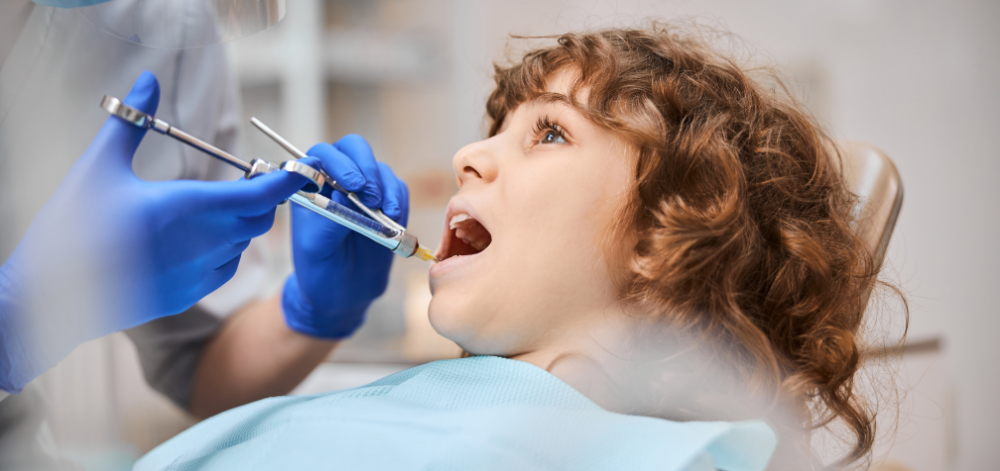

Anesthesia options for dental work
There are different types of anesthesiaThe use of medications to temporarily block pain, sensations, and awareness during procedures and surgery. There are many different types of anesthesia that a CRNA can provide. that may be used to help keep your child calm and comfortable during dental work. These include:
Local anesthesia
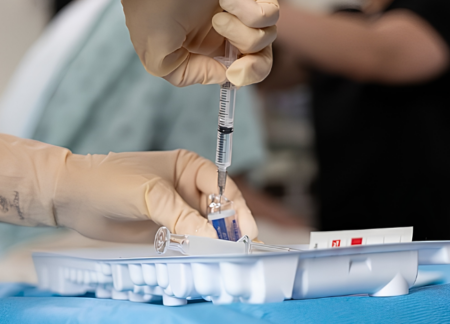
Local anesthesiaA type of anesthesia that numbs a smaller area of the body with numbing medication. will safely numb a specific area of your child’s mouth. This is done with an injection of a numbing medication, typically lidocaine. Local anesthesia is typically used for fillings, crowns, and extractions.
The benefit of this option is that pain signals are completely blocked, so your child won’t feel anything during the procedure. The downside is that some children may not be able to stay still enough for the injection and may still feel anxious during the procedure. Additionally, numbness will typically last anywhere from 1-8 hours, so this can affect their ability to safely eat or drink after the procedure.
If your child is receiving local anesthetic for their dental work, you can request that they receive numbing gel before the injection. For some more involved treatments, a nerve blockA form of regional anesthesia where numbing medication (local anesthetic) is directly injected into the nerves to block signals. This form of anesthesia is used during and after procedures and surgery to control pain. may be required. Learn more about Local and Regional Anesthesia.
Sedation
Children who can cooperate with their dentist might receive sedationSometimes called conscious sedation or twilight anesthesia, this is the use of medications to help you feel relaxed and calm, and sometimes fall asleep during your medical procedure. in the dental office. Dental sedation may include a calming medication given in pill or liquid form, and/or “laughing gas” (nitrous oxide mixed with oxygen). These calming medications (such as midazolam, for example) are given before the procedure while the gas is given during the procedure. For some forms of sedation, your child may receive calming medication through an IVA small tube that is inserted into a vein to deliver liquid medication and fluids directly into the bloodstream. .
Sedation may be required for more invasiveSurgeries and procedures that enter the body. This is usually by cutting or puncturing the skin, but this can also include inserting instruments into the body. dental procedures such as wisdom tooth removal, and for children who cannot tolerate local anesthesia.
The benefit of this sedation is that it helps your child feel relaxed, comfortable, and sit still during the procedure. During sedation, some children may remain awake, while some may fall asleep. During sedation, your healthcare team keeps a close eye on your child to keep them safe during the procedure. After sedation, your child may feel nauseous, groggy, confused, and sleepy. Learn more about Sedation.
General anesthesia
While the use of general anesthesiaA state of unconsciousness that is caused by medications administered by an anesthesia professional. This form of anesthesia is often used for procedures that would be too painful or uncomfortable to perform while the patient is only sedated or awake. for dental work is rare, it may be needed for some children with certain health conditions. An anesthesia professional, such as a Certified Registered Nurse Anesthetist (CRNA)Sometimes called a CRNA, nurse anesthesiologist, or nurse anesthetist, these are advanced practice registered nurses (APRN) who specialize in administering anesthesia for surgical, diagnostic, and therapeutic procedures. , will be the person responsible for giving general anesthesia. You may also hear CRNAs called nurse anesthesiologists or nurse anesthetists. They use several techniques to keep your child safe and comfortable:
- Your child may take some calming medication by mouth before the procedure.
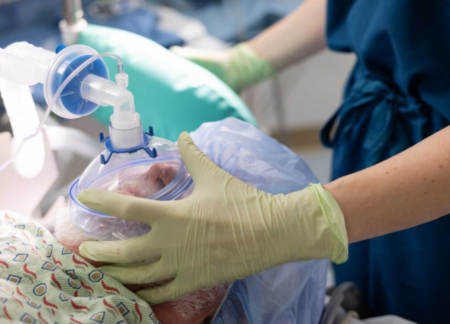
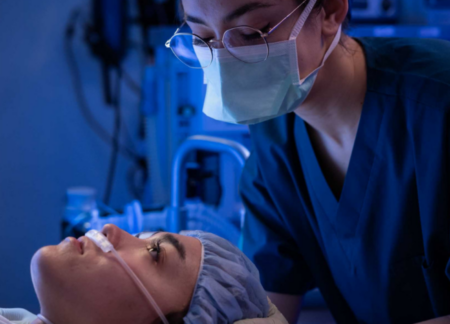
- The anesthesia professional will deliver anesthetic gasMedications that you breathe in during anesthesia. These gases make you unconscious (asleep) and unaware. They also make you forget what happens during surgery and can prevent you from moving while you are asleep. mixed with oxygen through a mask to your child. This will allow your child to fall asleep.
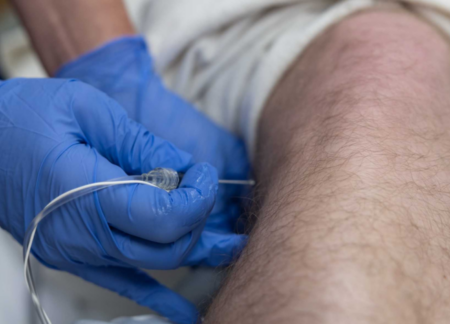
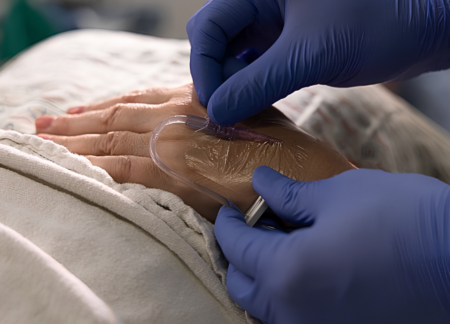
- An IVA small tube that is inserted into a vein to deliver liquid medication and fluids directly into the bloodstream. will be placed if your child does not already have one. This will deliver fluids and medications throughout the procedure.
- A small breathing tubeA flexible, plastic tube that is placed into the windpipe (trachea) to help keep the airway open and to support breathing. Breathing tubes are inserted during a process called intubation. is inserted to protect your child’s airway while they sleep. This ensures the child can breathe safely during the procedure. To give the dentist or oral surgeon more room to work in the mouth, the anesthesia professional might place the breathing tube through the child’s nose after they fall asleep.
- The tissue inside the nose is very sensitive. It is normal for some very minor bleeding to occur in the nostril after the breathing tube is placed (Sanuki et al., 2010). This small bleeding typically stops quickly.
- Parents should not be worried if they see a tiny bit of dried blood around or inside the child’s nostril after the dental procedure.
Learn more about What to Expect during Your Child’s Surgery and Keeping Children Safe during Anesthesia.
The benefit of general anesthesia is that your child will be completely unconscious and will not remember anything during the procedure or feel any pain. This also allows your child’s dentist and/or oral surgeon to work safely. Like any medical procedure, general anesthesia has risks and potential side effects. However, serious complications are uncommon when anesthesia is provided by qualified professionals. Learn more about General Anesthesia.
Frequently Asked Questions
Common questions about children and dental anesthesia.
What kind of anesthesia will my child need for their dental work?
Different children need different types of anesthesia. It depends on their health and how they feel about dental work. Some children feel very nervous at the dentist. Others have health conditions that make dental work difficult. A child might not be able to sit still or cooperate during the procedure in a regular dental office.
If a child needs more help than sedation can provide, they may go to a special surgery center or hospital. Once there, they can receive general anesthesia, which puts them to sleep completely. Some children have health conditions that make office sedation unsafe. These children need the more controlled setting of general anesthesia instead (Agarwal et al., 2026). Health conditions that require this include:
- Respiratory diseases like asthma
- Heart problems
- Obstructive sleep apneaA medical condition that causes someone's breathing to stop, slow down, or become irregular during sleep. (trouble breathing during sleep)
- Obesity
Your dental provider and anesthesia professional will work with you and your child to create a safe anesthesia plan.
What are the benefits, risks, and alternatives to dental anesthesia for children?
Dental anesthesia has many benefits. It stops the child’s pain during the procedure. It reduces anxiety and fear. It also helps the dentist work in the best conditions possible. After receiving dental anesthesia, children might have some common side effects such as feeling nauseated, groggy, or confused. If your child receives general anesthesia, they may also have a temporary sore throat from the breathing tube. Some children feel confused or restless as they wake up from anesthesia.
The most common risk during general anesthesia is potential harm to the lungs, which may include problems with breathing. These occur in about 5% of children receiving general anesthesia for dental procedures (Sarvas et al., 2024). However, anesthesia professionals are well trained to handle any breathing problems that happen during the procedure. Serious, long-lasting problems from dental anesthesia in children are extremely rare.
Is it safe for children to receive anesthesia and/or sedation for dental procedures?
Yes, anesthesia for children is safe when given by a highly trained anesthesia professional, such as a CRNA. Research shows that permanent injury from anesthesia is extremely rare for children having dental work. The evidence tells us that serious, lasting problems almost never happen (Sarvas et al., 2024).
Disclaimer: The information on this page is for general educational and informational purposes only and does not constitute medical advice or a recommendation for any specific anesthesia technique, drug, or treatment. Users should consult a qualified medical professional before making any decisions regarding anesthesia care. For complete terms, see our Terms of Use.


Was this helpful?