Interested in learning more about the different types of anesthesia? Download and print these resources from our experts in anesthesia care. The Full Anesthesia Comparison Chart provides a detailed summary of the different types of anesthesia, while the Quick Anesthesia Comparison Chart briefly reviews the similarities and differences of each anesthesia type.
Nerve Blocks
An injection that blocks pain from specific nerves during surgery or medical procedures.
Written and Reviewed on February 19, 2026 by Heather Towers, DNAP, CRNA

Article Summary
Nerve blocks are a type of regional anesthesia that temporarily block pain signals from a specific area of the body. This article explains how nerve blocks work, when they may be used for surgery or pain management, and the benefits they can provide, including improved pain control and reduced need for opioid medications. It also describes the safety measures anesthesia professionals use and what patients can expect before, during, and after receiving a nerve block.

What is a nerve block?
A nerve blockA form of regional anesthesia where numbing medication (local anesthetic) is directly injected into the nerves to block signals. This form of anesthesia is used during and after procedures and surgery to control pain. is a type of regional anesthesiaA type of anesthesia that blocks pain in a larger area of the body by numbing a group of nerves and involves techniques such as nerve blocks, epidurals, and spinals. that numbs a specific area of your body to control pain during and after a procedure.
Specifically, a nerve block is an injection of numbing medication near or around the nerve to block pain signals. These are given by anesthesiaThe use of medications to temporarily block pain, sensations, and awareness during procedures and surgery. There are many different types of anesthesia that a CRNA can provide. professionals, such as Certified Registered Nurse Anesthetists (CRNAs)Sometimes called a CRNA, nurse anesthesiologist, or nurse anesthetist, these are advanced practice registered nurses (APRN) who specialize in administering anesthesia for surgical, diagnostic, and therapeutic procedures. . You may also hear CRNAs called nurse anesthesiologists or nurse anesthetists.
Nerve blocks are sometimes referred to as regional anesthesia. This type of anesthesia is an effective way to control pain during and after surgery.
How are nerve blocks given?
A nerve block is administered by injecting numbing medication (local anesthetic) near or around the nerves using ultrasoundOtherwise known as sonography, this is an imaging test that uses sound waves to create images/videos of the inside of the body. Ultrasounds are used to see organs, tissues, and blood vessels. technology, which helps make this process safer for patients.
A nerve block can be administered before surgery or in the operating room. It can also be given in the recovery areaThis is where you will recover from anesthesia immediately after your surgery. after surgery. You may receive some numbing medication or mild sedationSometimes called conscious sedation or twilight anesthesia, this is the use of medications to help you feel relaxed and calm, and sometimes fall asleep during your medical procedure. before the nerve block is given.
Depending on the type of medication used and the affected area, you will likely experience a loss of sensation and, potentially, of movement. Both sensation and movement will return to normal once the medication wears off.
It can take a few hours to a few days for the nerve block to wear off depending on the surgery, medication used, and the nerves affected. Talk with your anesthesia professional about how long you can expect your nerve block to last.
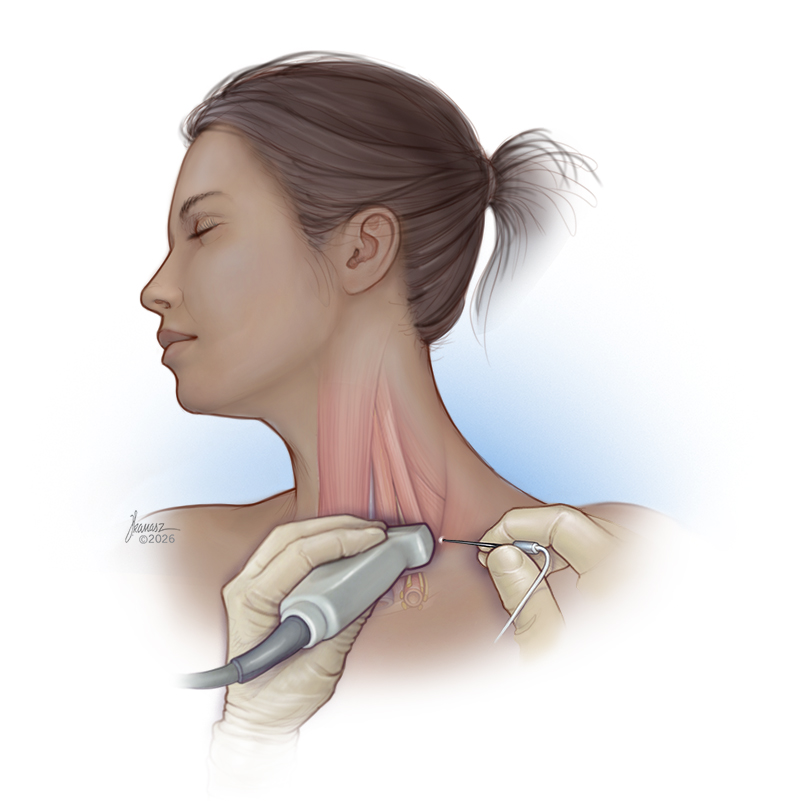
This illustrates the process of a nerve block being given with ultrasound guidance.
How do I recover from a nerve block?
When recovering after a nerve block, you may be instructed to:
- Inspect the exposed tissue to make sure it is warm and has a normal color
- Support the affected area either with a brace or sling as necessary
- Take some form of pain medication before the block wears off
The goal of a nerve block is to give you pain relief during and after your surgery so you can rest.
Often, the blocked area will have some movement before complete feeling returns (this is normal as the medication wears off). However, do not attempt to use the affected body part until movement and feeling completely return.
What are the risks of nerve blocks?
The risks of a nerve block include:
- Bruising at the injection site
- Accidental injection into the blood vessels (signs can be ringing in ears, numbness around mouth, or metallic taste in mouth)
- Allergic reaction to the medication
- Infection
- Sensation of pins and needles or burning
- Nerve damage
- Organ puncture
For example, common temporary effects of shoulder blocks are drooping of the eyelid, constricted pupils, and loss of the ability to sweat on the affected side (these symptoms usually resolve before the block wears off).
There are risks to any procedure. The risks of a nerve block are rare as are these side effects and have decreased significantly since the use of ultrasound. It is important to notify your anesthesia professional if you experience any of the signs and symptoms described above.
Disclaimer: The information on this page is for general educational and informational purposes only and does not constitute medical advice or a recommendation for any specific anesthesia technique, drug, or treatment. Users should consult a qualified medical professional before making any decisions regarding anesthesia care. For complete terms, see our Terms of Use.








Was this helpful?